

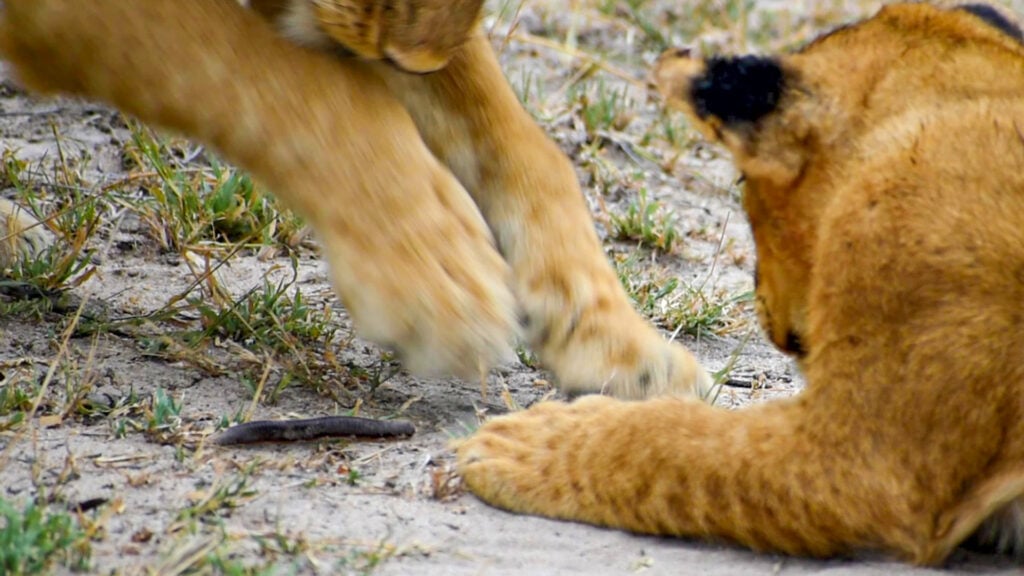
Nic Nel submitted this video to Latest Sightings. He filmed it while on a game drive in South Africa’s Sabi Sands Private Game Reserve.
At the feet of the king
As we join the action in Nic’s video, we see a millipede making its way across the ground. As it proceeds, it passes just a few inches from the feet of Africa’s largest predator: the lion.
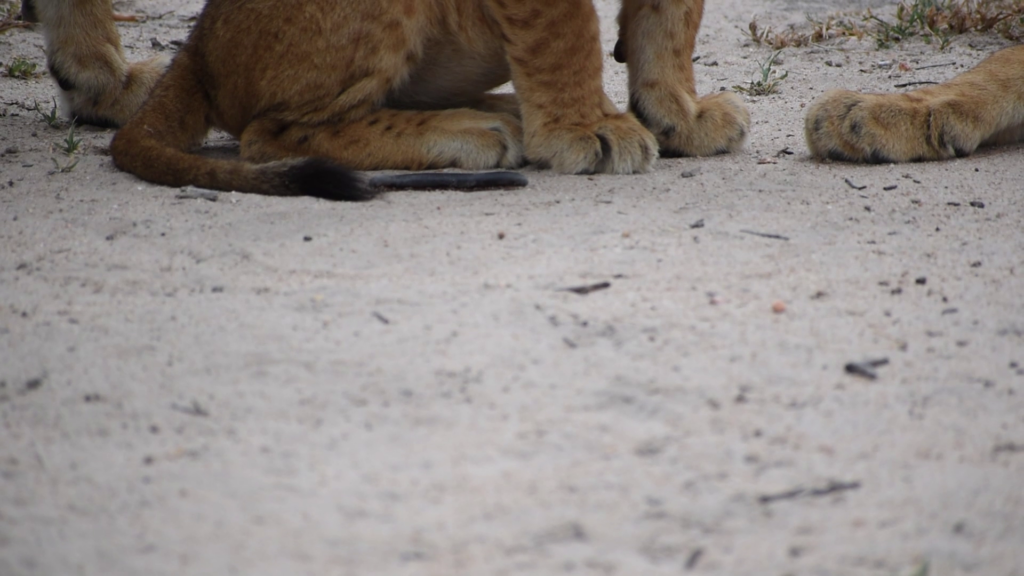
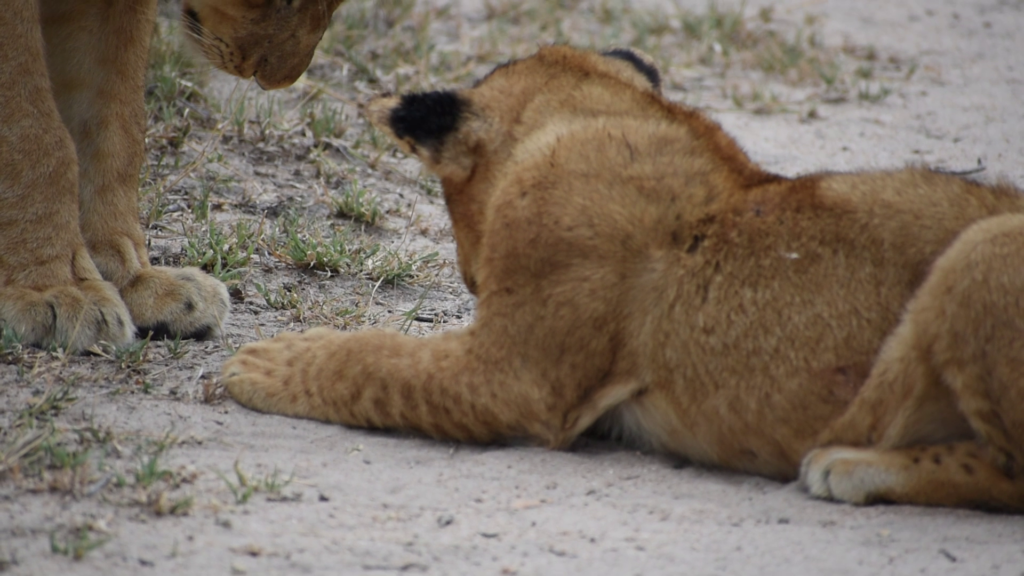
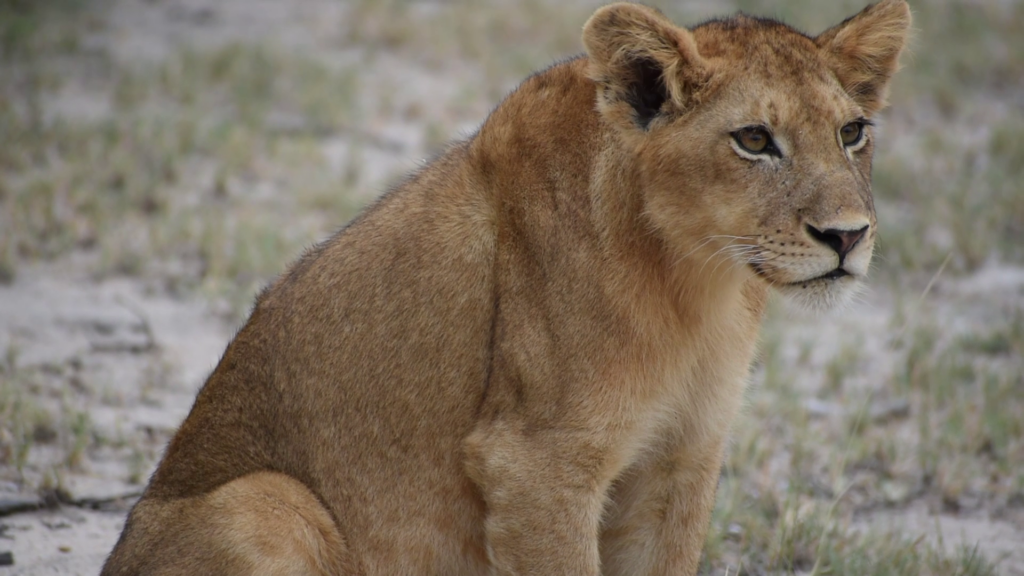
However, these are not full-grown lions. They are cubs of the Kambula pride, which roams across parts of the Greater Kruger Park.
Excuse you!
As the millipede proceeds, it bumps into the tip of one of the cubs’ tails. Consequently, the cub lifts its tail and becomes aware of its presence.
As you’re probably aware, young animals are curious about practically everything they encounter. And this millipede is no exception.
This natural curiosity is how creatures learn about their environment. And, for young predators, this is how they learn what is potential prey, and what is not on the menu.
Shongololo
Consequently, it comes as no surprise when the cub decides to investigate the peculiar, moving stick.
In the Zulu language, people call millipedes “shongololos, which means to roll up. This, in reference to their tendency to curl into a tight coil when they feel threatened.
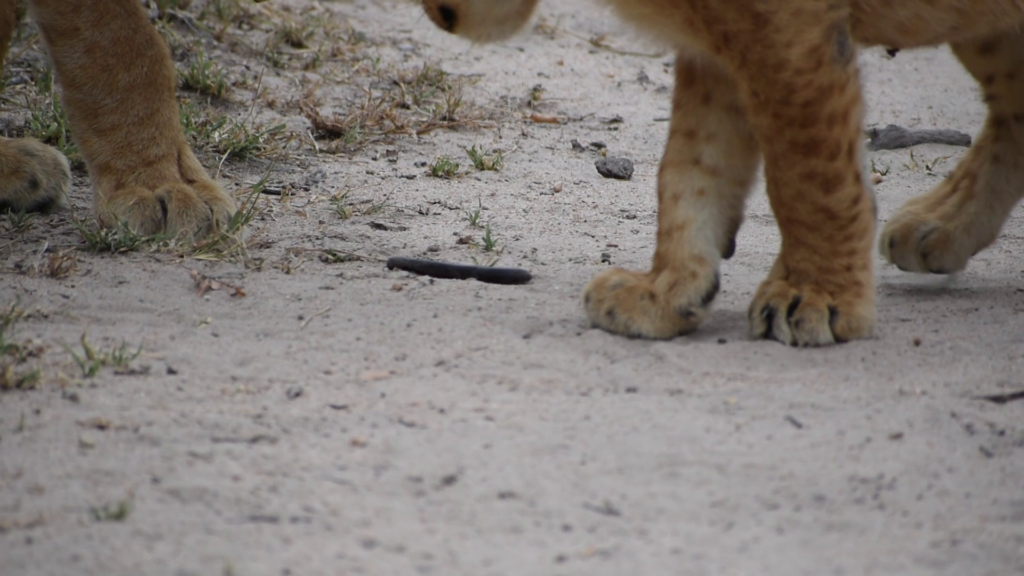
However, as the footage shows, this bold millipede passes right by their feet, barely missing a beat.
A closer look
Its attention now firmly focused on the millipede, the lion cub turns and crouches down for a closer look. Even so, the millipede continues on its way.
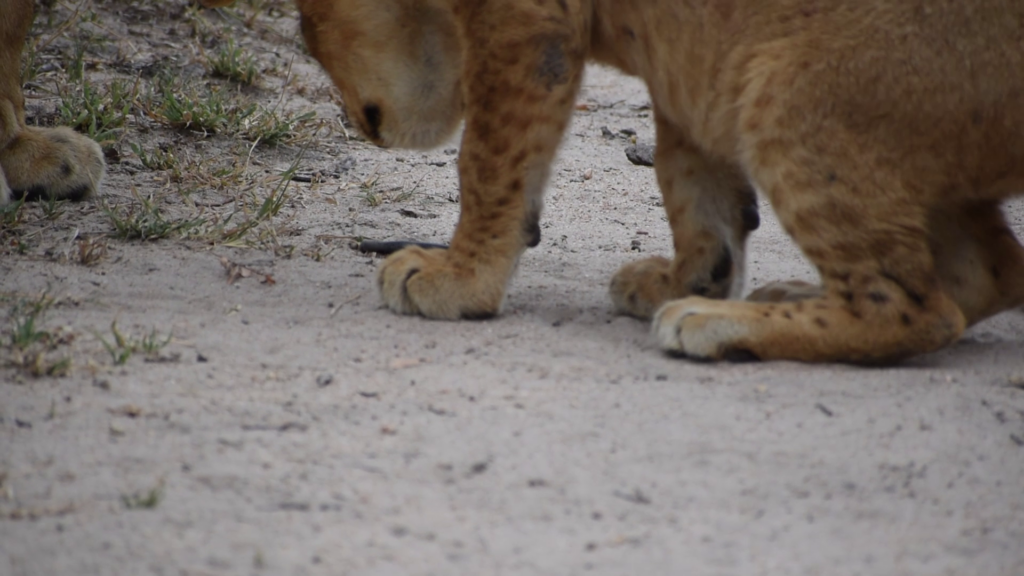
However, when one of the other cubs notices its sibling’s focused behaviour, it too decides to inspect the passing creepy-crawly.
Get our Best Sightings as they Come in
Cautiously curious
The cubs’ curiosity is matched only by their caution. While they are fascinated, they make no move to interfere with the millipede.
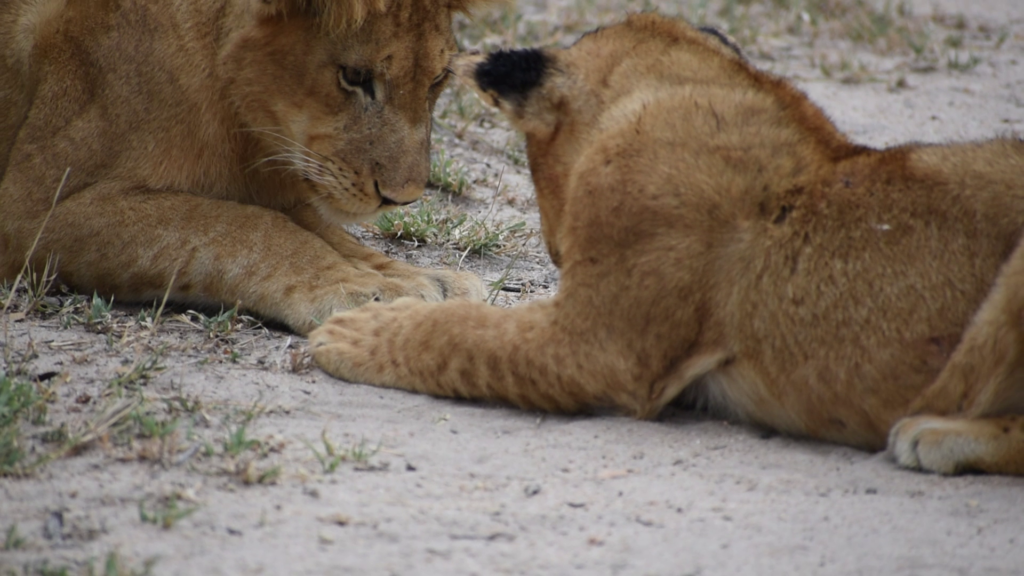
And, perhaps this is a good thing for shongololos can secrete a toxic liquid that can be harmful if introduced to the mouth or eyes.
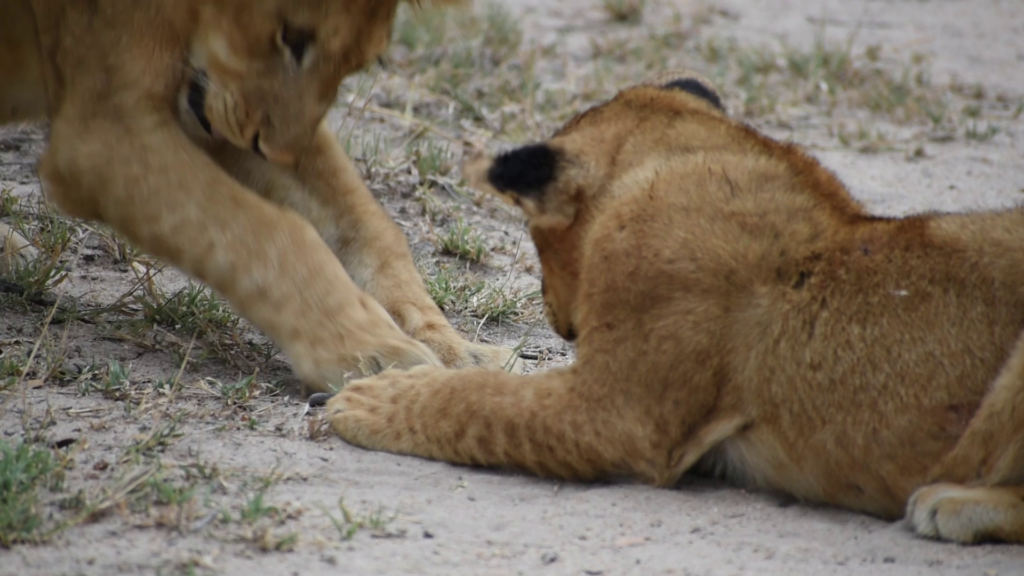
In fact, when one of the cubs suddenly draws back and snuffs its breath, it’s fair to assume that it got a whiff of the liquid. The chemical is so effective that millipedes have very few natural predators, even repelling attacks from fearsome driver ants.
Look but don’t touch
Subsequently, the cub is happy to observe the passing creature from a safer distance. Perhaps it is taking a good look to ensure it never has to smell the noxious fumes ever again.
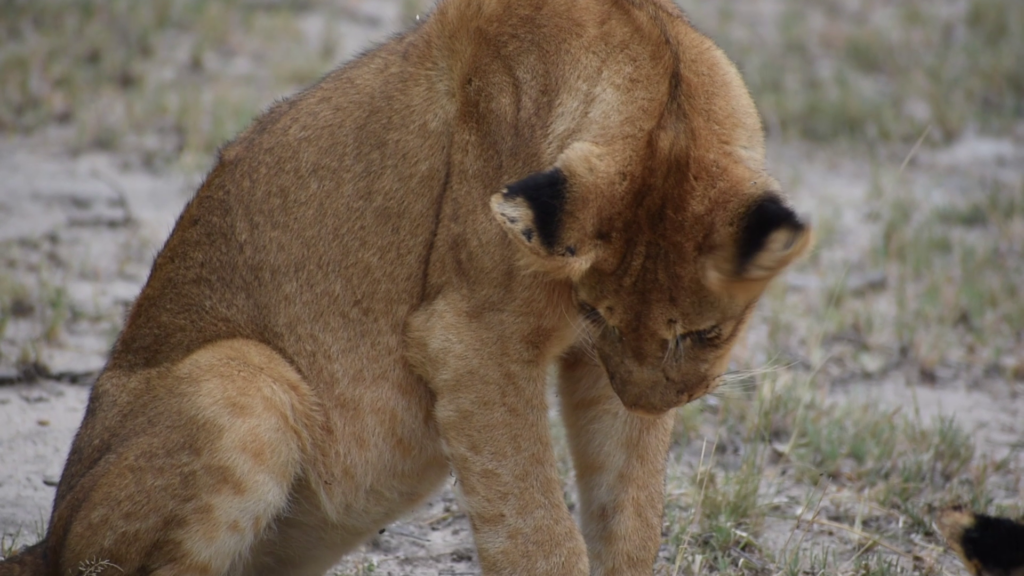
Then, as it starts to lose interest, the little cub’s face takes on a dreamy look. Is it imagining the day when it will know all there is to know about being a lion? A day when it can tackle prey that is pleasing to both the nose and the taste buds.
A shongololo by another name
The correct name for these creatures is the giant African millipede. They are found in low-lying areas from Kruger to Kenya.
They roam the forest floor, playing an important ecological function by breaking down decaying plant matter, thereby enriching the soil.


