

It’s a common belief among visitors to our national parks that to see wildlife, you’re better off far from camp. However, as this short video shows, sometimes the action can be found much closer than you’d think.
Hermann Fourie submitted this footage to Latest Sightings. He filmed it at South Africa’s Kruger National Park.
Nothing to see here..?
As Hermann’s video, shot on a cellphone, begins, it’s a little hard to tell what has caught his attention. The view, shot through a mesh fence, shows only bush. At least to begin with.
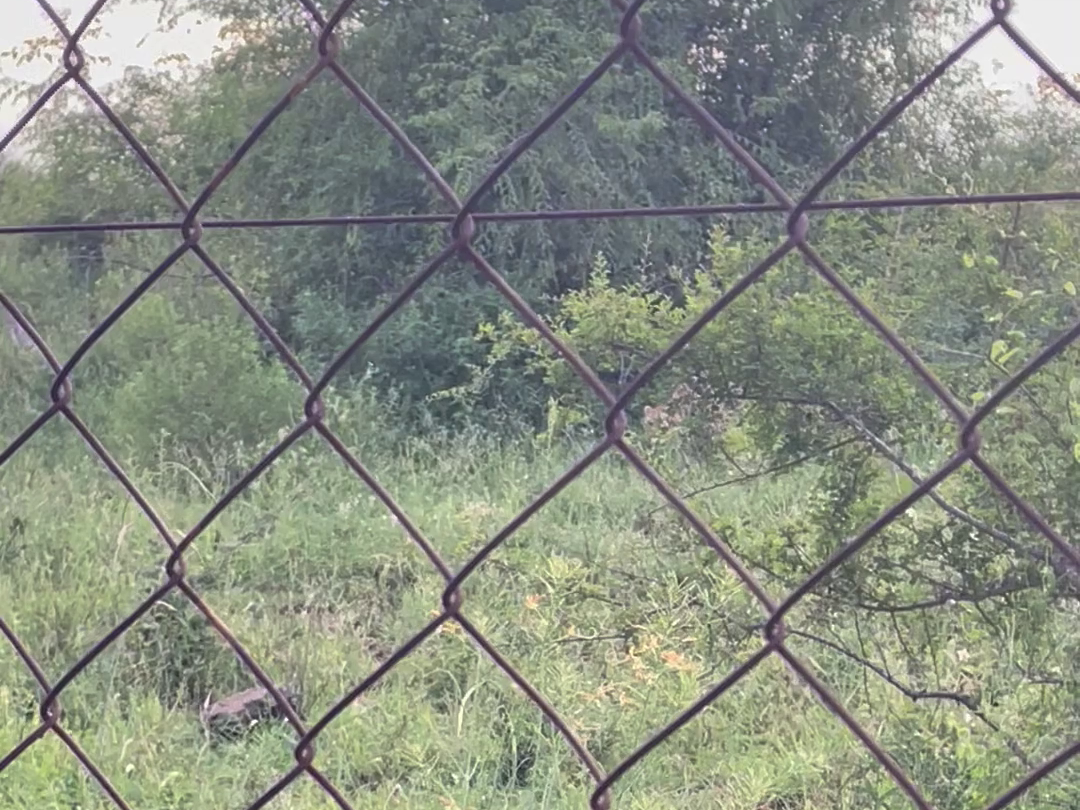
However, sharp-eyed observers will notice that, hidden in plain sight, a cheetah’s head is visible. You’d be forgiven for missing it, though; their spotted coats provide excellent camouflage.
Remarkably, Hermann captured this sighting through the fence adjacent to the Crocodile Bridge gate reception building.
Want to see more surprising encounters like this stealthy cheetah hunting right by the camp fence? Be the first to know when a viral sighting drops! Join our WhatsApp community for instant alerts:
Might be stalking
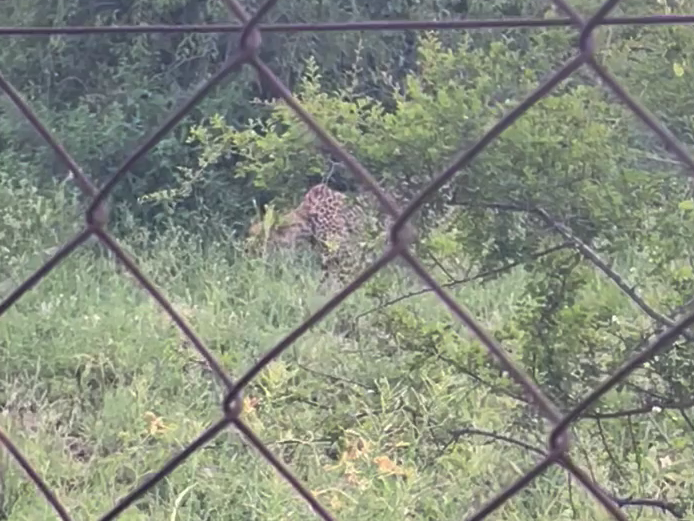
Subsequently, more of the big cat becomes visible as it edges out of cover. We notice that its head is held low to the ground, as if it were stalking something.
Close for comfort
Before we continue, a quick side note on animal habituation. In an ideal world, wild animals should have a natural fear of man.
In protected areas, animals often grow accustomed to humans as long as visitors do not threaten them.
Accordingly, they may eventually decrease the comfort-zone radius within which they’re ‘comfortable’ in our presence. In these cases, their behaviour is fairly typical of their species, although it’s important to remember that they remain wild and potentially dangerous.
Found something
As the cheetah advances, it lowers its head to the ground, seemingly focused on an object hidden in the grass. Moments later, it lifts something off the ground.
We soon realise that it is the hind legs of an antelope. Unfortunately, we don’t know whether the cheetah killed it earlier or whether it chanced upon its carcass.
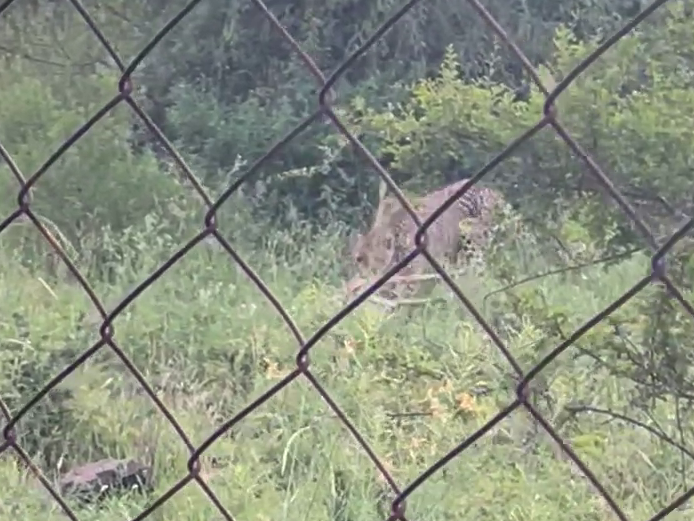
Whatever the case, we also note that the predator is quite skittish, moving tentatively and ready to flee at short notice.
This is fairly normal for cheetahs, who lose a large proportion of their kills to scavengers.
It may also be nervous on account of its proximity to humans.
Get our Best Sightings as they Come in
Species revealed
Subsequently, as the cheetah begins to pull at the carcass, we note small black patches near the antelope’s hooves.
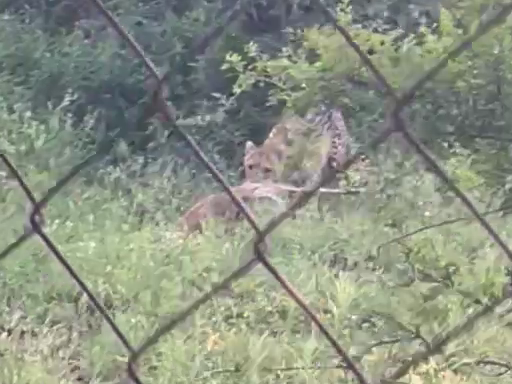
Only one species possesses these unique metatarsal scent glands. Additionally, we note other characteristic markings, namely, black vertical stripes on either side of the tail.
Both of these features identify the antelope as an impala, the most common antelope in the Kruger National Park.
Impressive strength
Having secured its prize, the cheetah shows strength that belies its slight frame. Barely seeming to struggle with the 40-kilogram burden, it turns to leave.
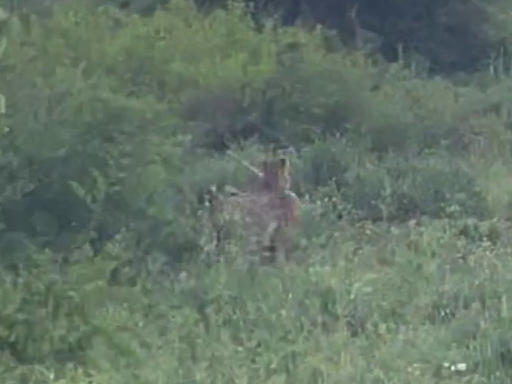
In no time at all, it moves away from the fence, eager to find a safe and quiet place to enjoy its meal in peace.
As this footage shows, it pays to be on the lookout at all times when visiting the park. You never know what might unfold when and where you’d least expect it.


