

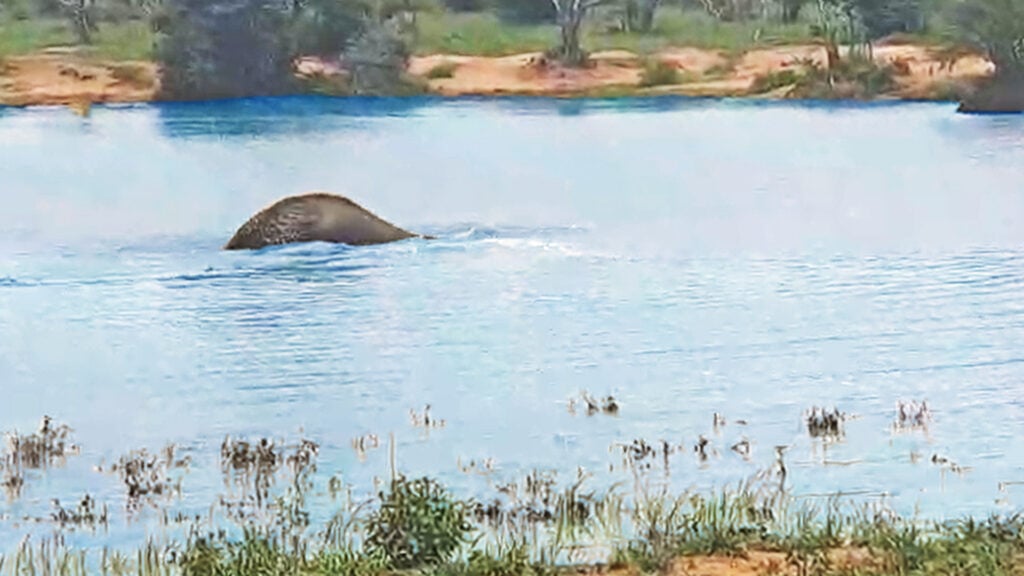
However, what really moved the viewers’ hearts was when the elephant stuck its trunk up like a snorkel, while fully-immersed in the water.
The many uses of a trunk
There are many uses for a trunks. Trunks can be as arms and pick up branches. They can be used by mother elephants to guide little ones. Trunks can be used to signal distress and to make loud trumpeting sounds.
In this instance, a trunk became scuba diving equipment, a ‘snorkel’ to be exact, for the jovial elephant, which saw the river as the opportunity to play and explore.
The fascinating behaviour of elephants
Elephants are always fascinating creatures to watch because we as humans can relate to so many of their behaviours. For example, like humans, they form strong bonds between herd members, and not only do they socialise, but they also like to play.
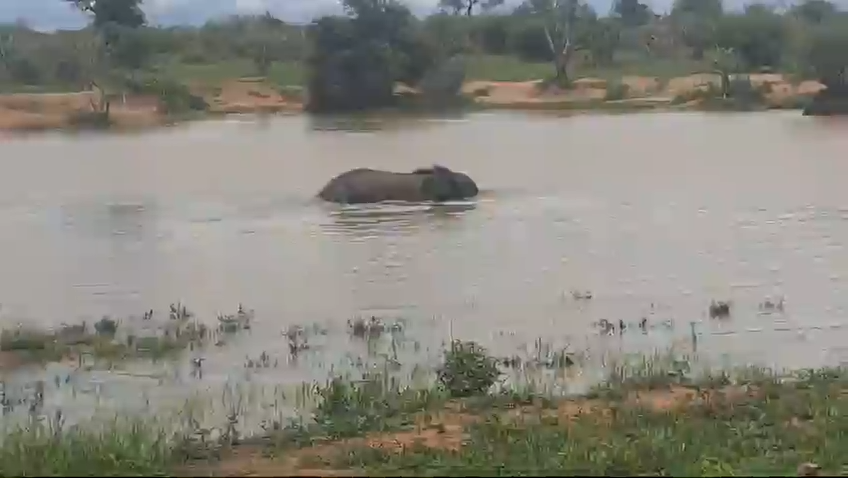
This elephant enjoyed every moment in the cool river, immersing its head in the waters, and disappearing for moments, before re-emerging.
It is hard to say what the elephant saw when it disappeared beneath the surface or what its thoughts were, but this was definitely a smart elephant.
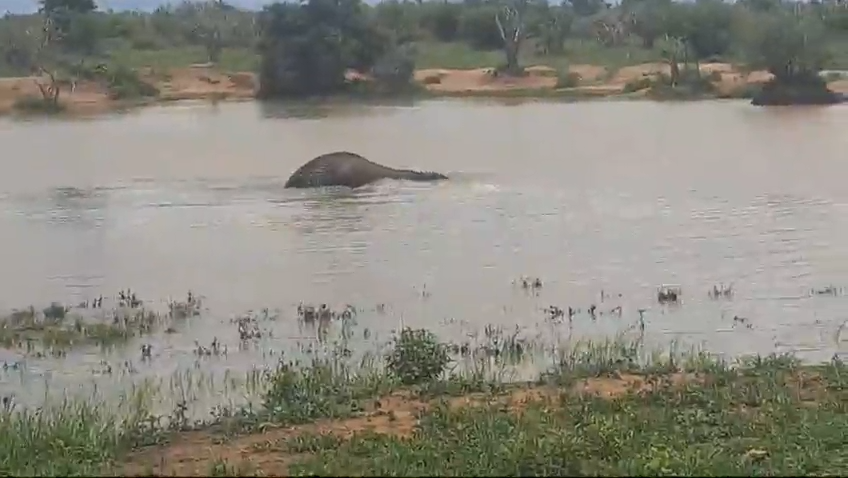
This was evident by the way it knew to lift its trunk above the water’s surface as a snorkel when fully-immersed.
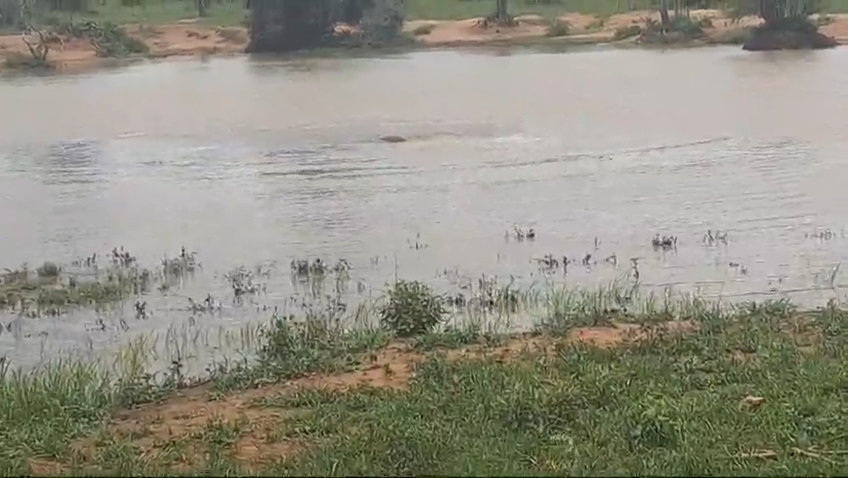
The result was a trunk ‘snorkel’; a delightful display of the ingenuity inherent in the elephant species.
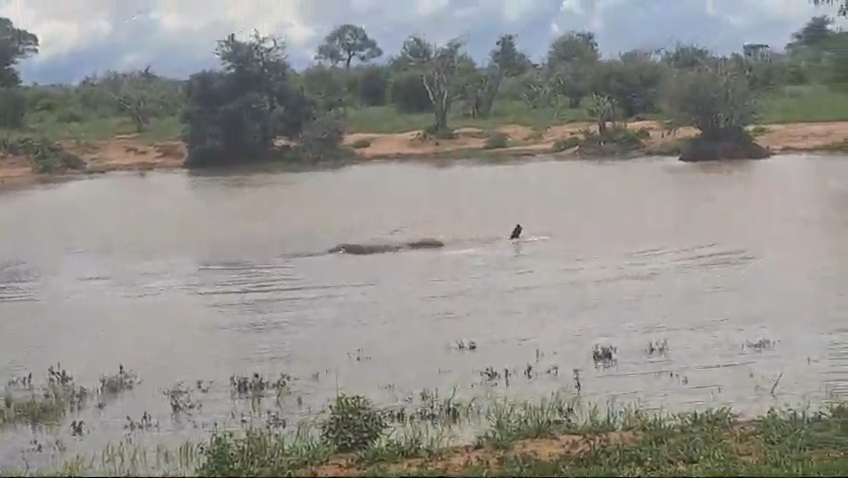
These poignant moments happen everyday in the bushveld, however they often require game viewers spend just that much longer at rivers and waterholes, and viewing sites. Patience often produces some of the most memorable sightings.
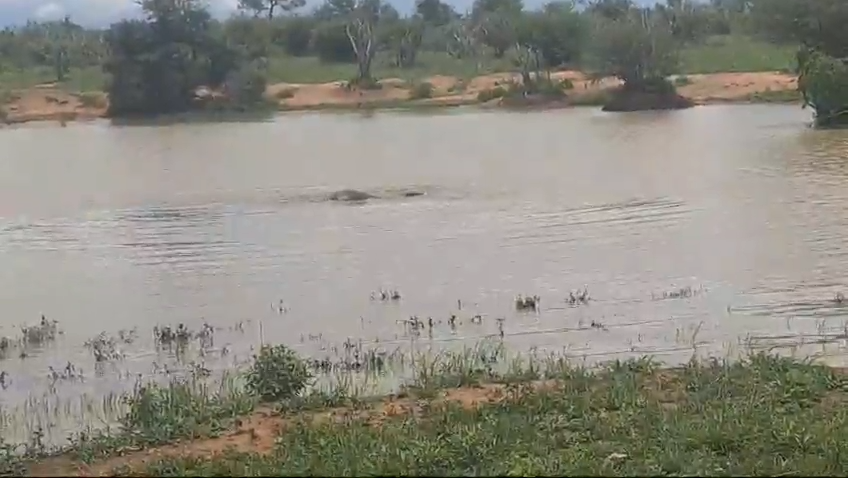
An elephant using its trunk as a snorkel is one of the most fascinating survival adaptations in the animal kingdom.
When an elephant swims, something the African elephant is surprisingly good at, it can submerge almost its entire body underwater while keeping just the tip of its trunk above the surface. The trunk acts like a natural breathing tube, allowing the elephant to breathe while crossing rivers or cooling off in deep water.
This ability is especially useful in places like the Kruger National Park, where elephants often need to cross wide rivers. Calves will sometimes struggle in deeper water, but adults use their trunks to breathe easily and can even help guide the younger ones across.

Book a Safari to where this Sighting Happened
Get our Best Sightings as they Come in
The trunk itself is an extraordinary tool. It contains over 40 000 muscles and is used not only for breathing, but also for smelling, drinking, feeding, touching, and even communicating. When swimming, however, it becomes a lifeline. It transforms the elephant into a kind of gentle, floating giant perfectly adapted to both land and water.
It’s a powerful reminder that even the largest land animal has evolved clever ways to handle completely different environments.
So next time you see a snorkel-like anomaly rise above the surface of a river while you are out game viewing, maybe wait just that much longer. It might belong to an elephant, which given enough time, will soon re-emerge.


