

A Rough Start for the Runt
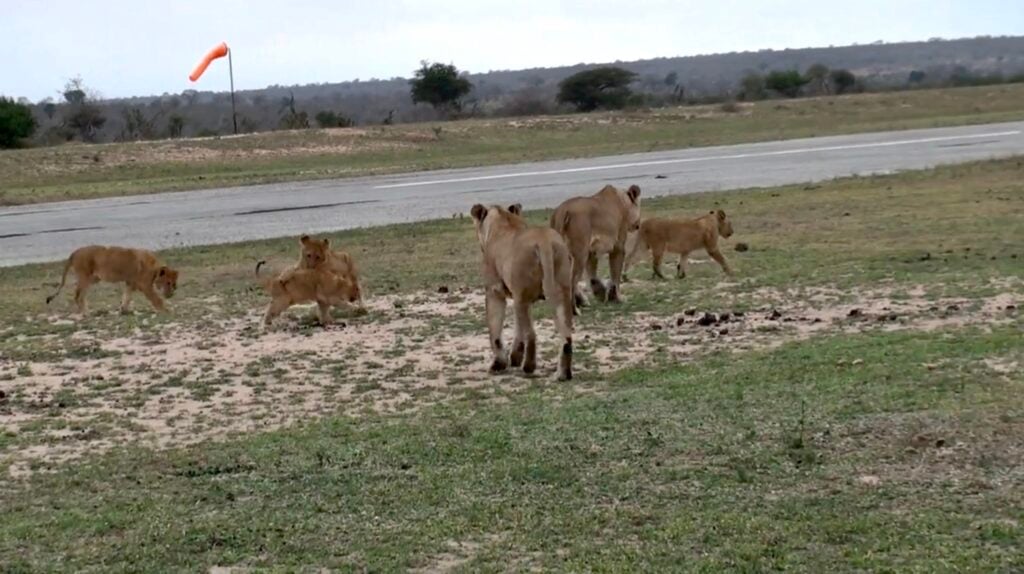
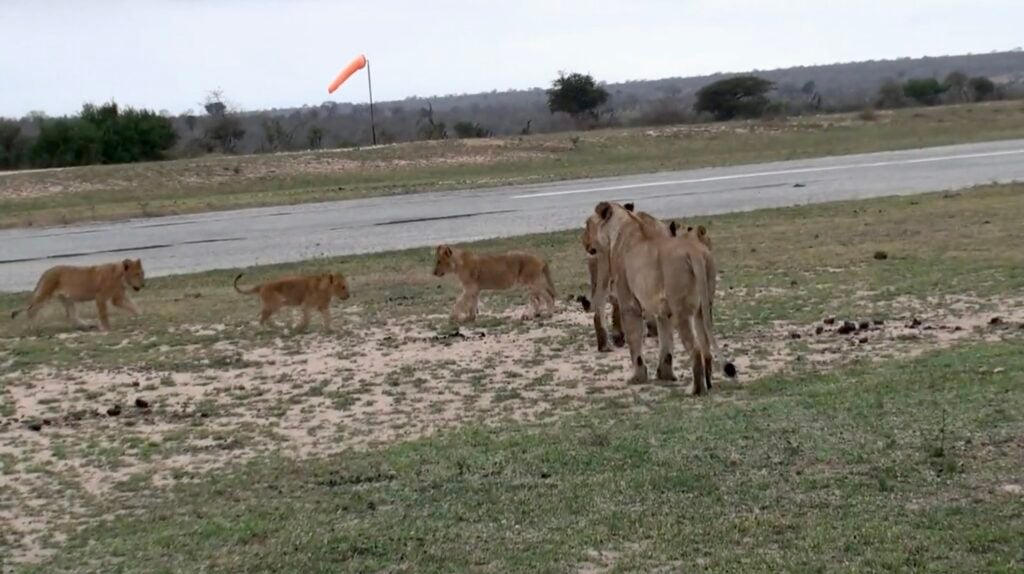
As the sun rose over the MalaMala Game Reserve, a pride of lions took to the open airstrip for a morning stroll. Field guide Michael Botes had brought his guests to visit the pride with their cubs, who he had been keeping an eye on since birth.
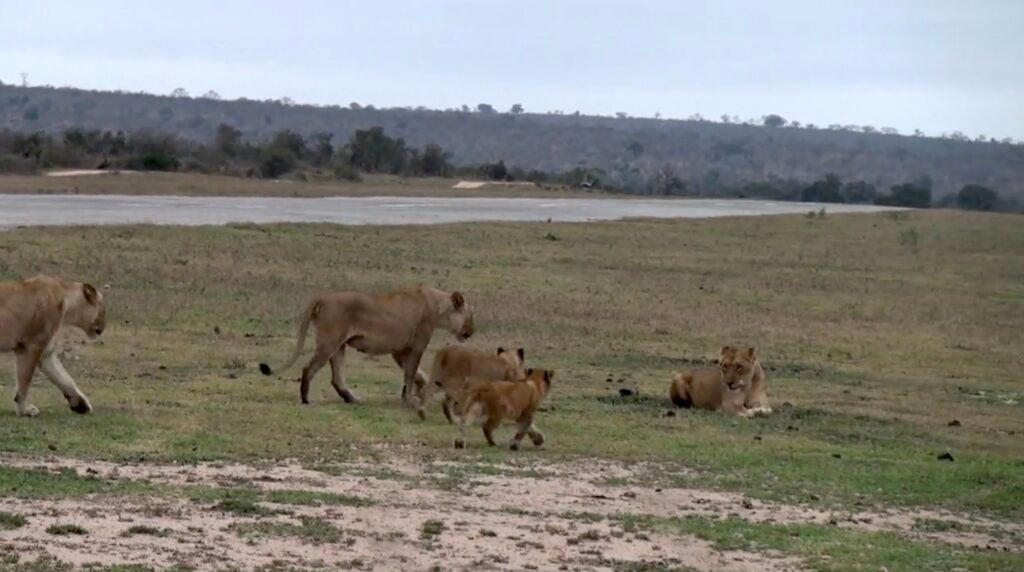
With tails swishing and paws padding across the tarmac, the four lionesses and nine cubs looked content and carefree. The little ones, in particular, were bursting with energy, pouncing, wrestling, and tumbling over one another like playful kittens.
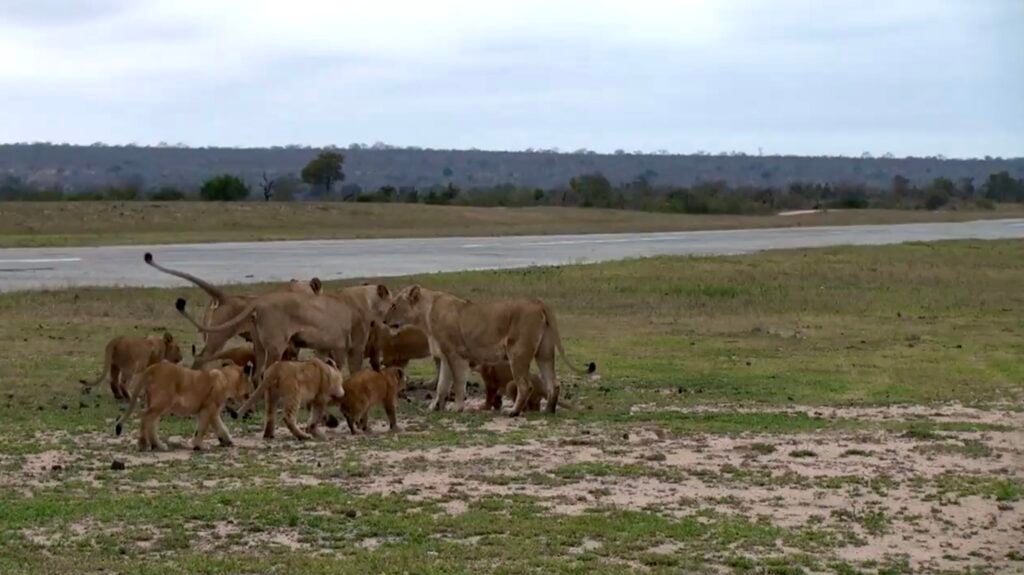
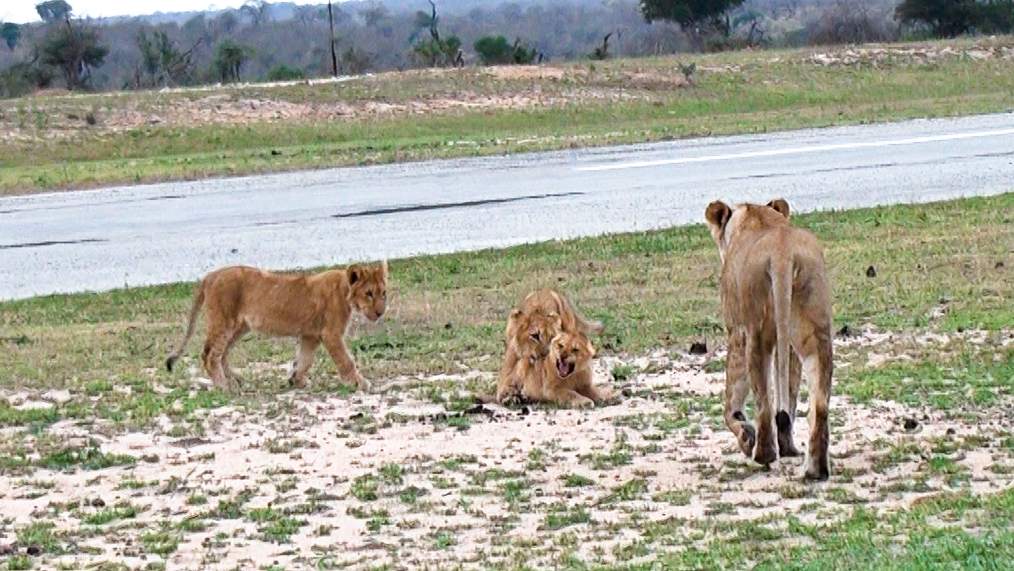
While most of the cubs enjoyed the fun, the runt of the litter was having a different experience. It was noticeably weaker and slower, and everyone quickly observed that it had become the victim of its siblings’ torments.
As it tried to keep up, two larger cubs took the opportunity to pounce, with one leaping onto its back and pulling it to the ground. The little one bared its teeth and gave a surprisingly fierce growl, voicing its frustration before scampering to its mother’s side for refuge.
The Challenges of Being the Runt
In mammals, runts are typically the offspring that receive the least nutrition during pregnancy. This can be due to a weaker connection to the placenta or competition for resources in large litters.

In lions, where mothers may give birth to up to six cubs at a time, competition for food and attention doesn’t end in the womb; it continues well into cubhood. Runts within a lion pride are faced with even more survival challenges than already exist for the average cub.
Runts are even more vulnerable to illness, starvation, and predation, but they also have an uphill battle socially, often finding themselves at the bottom of the hierarchy during play or feeding time. These early interactions can have lasting effects on their development, both physically and socially.

Mother Knows Best
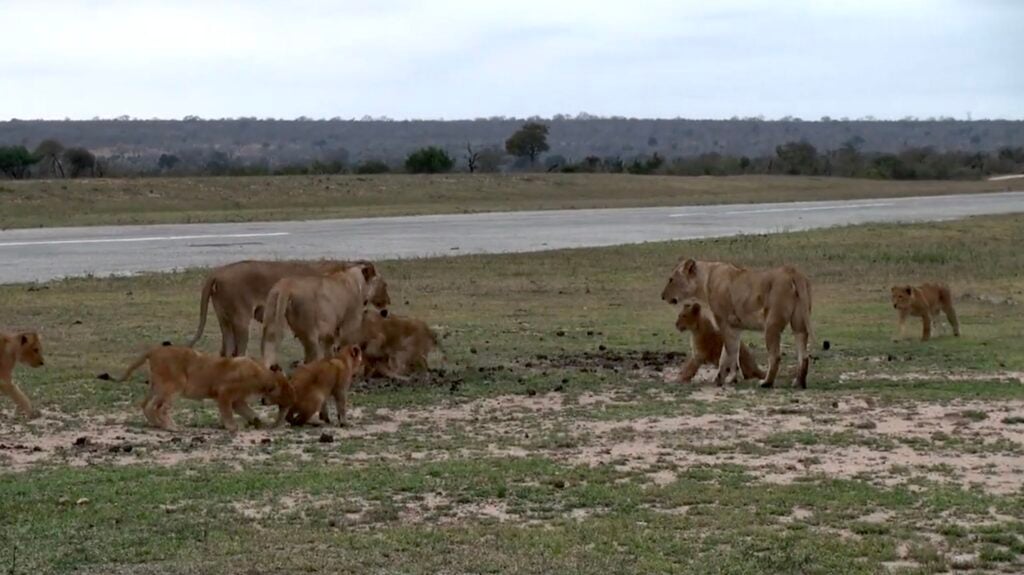
Throughout the sighting, the mother lioness kept a watchful eye on her smallest cub. When the teasing escalated, she intervened, stepping between the rougher cubs and her baby, but even the most attentive mother can’t be everywhere at once.
Get our Best Sightings as they Come in
As soon as her attention was diverted by something ahead, the mischievous siblings resumed their torment, tripping the runt and even biting its tail! While it may seem cruel to us, this behaviour is part of an essential process.
Play-fighting among lion cubs helps build strength, coordination, and social understanding. These rough interactions teach cubs how to assert dominance, respond to challenges, and defend themselves, skills they’ll need as adults when competing for food, mates, and territory.
Learning to Stand Tall
Despite its disadvantage, the feisty little cub showed determination. According to Michael Botes, the runt has not only survived but is now a healthy sub-adult.
Even among the fiercest predators, family dynamics are complex. Teasing and rivalry may look like bullying, but they often serve a greater purpose in development.
For this small lion, early hardships may have built the grit needed to thrive. Its transformation proves that resilience, combined with the protection of the pride, can go a long way in the animal kingdom.


