

A Roadblock With Whiskers
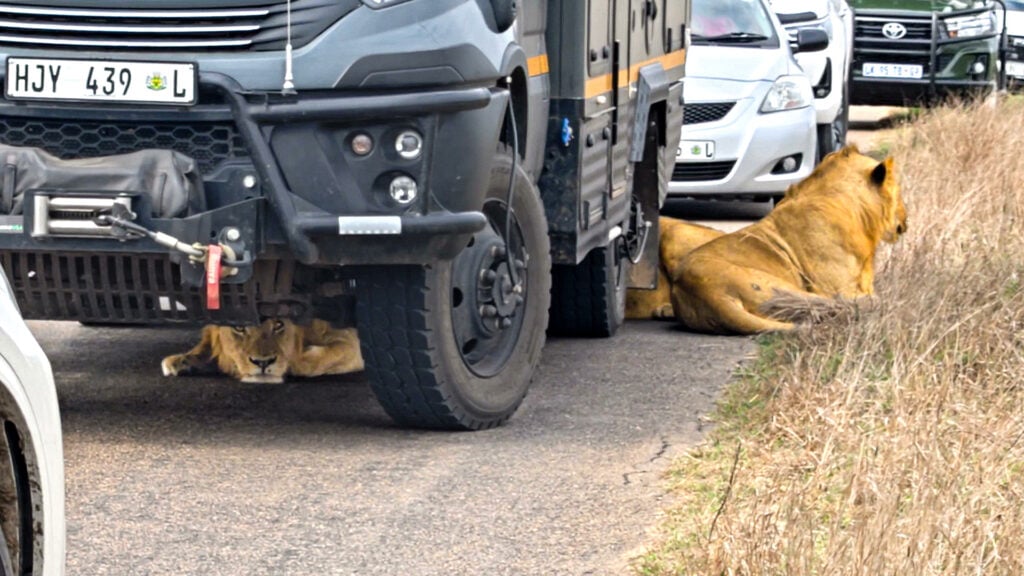
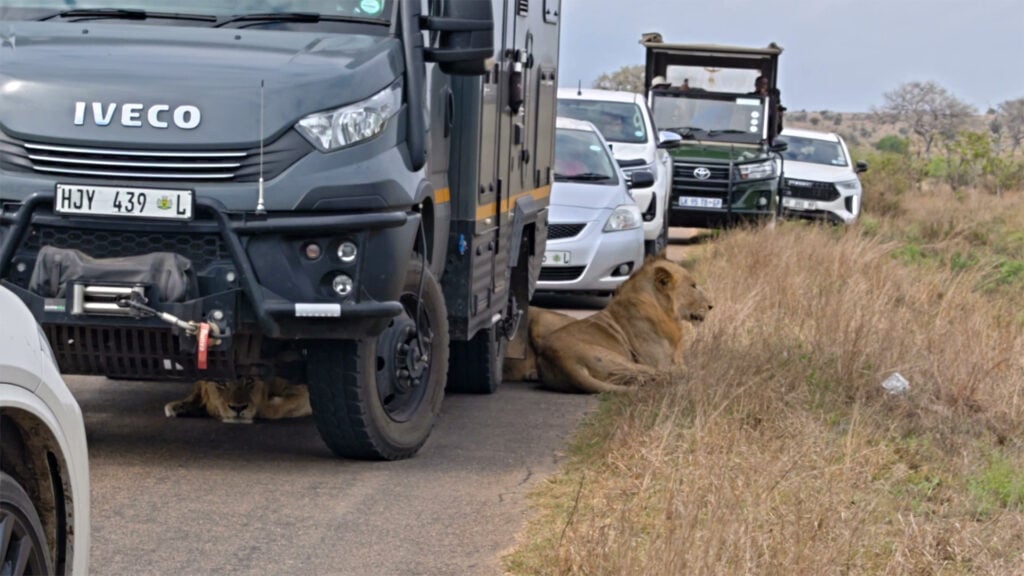
Peter Craig-Cooper’s footage from Kruger shows three lions stretched out on the asphalt, with no plans to move. Two of them are flopped down behind a safari vehicle, looking perfectly content with their spot on the road.
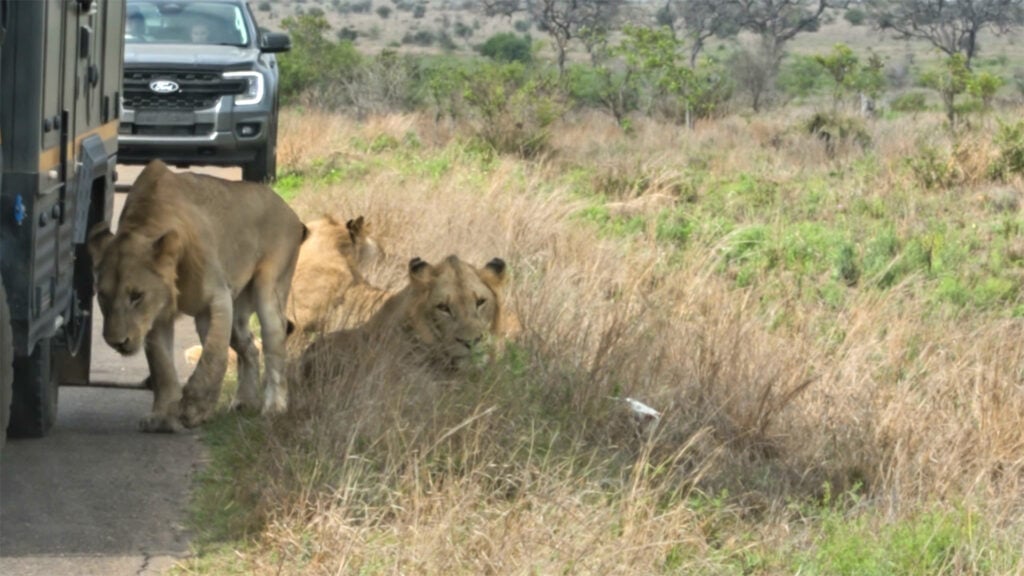
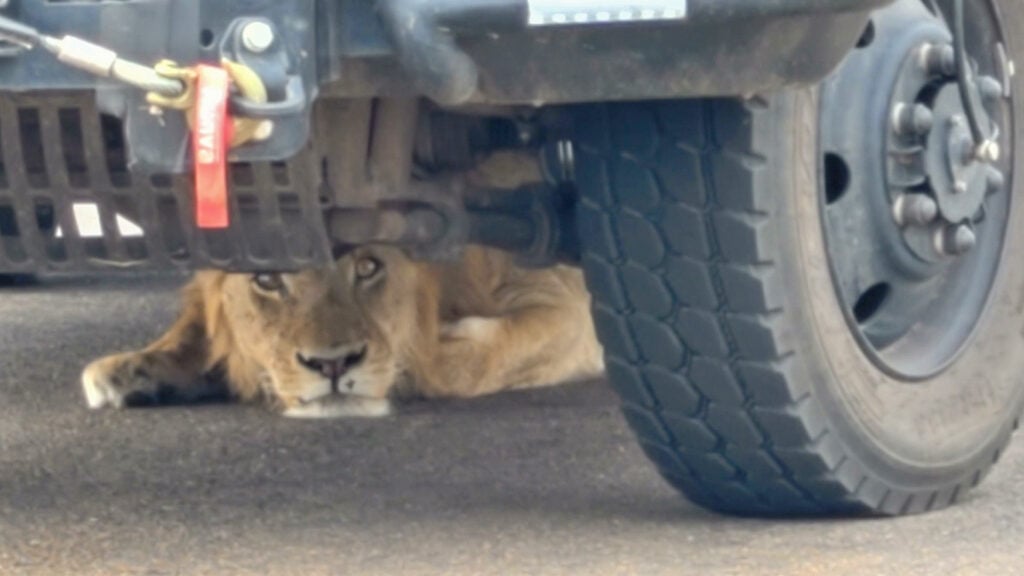
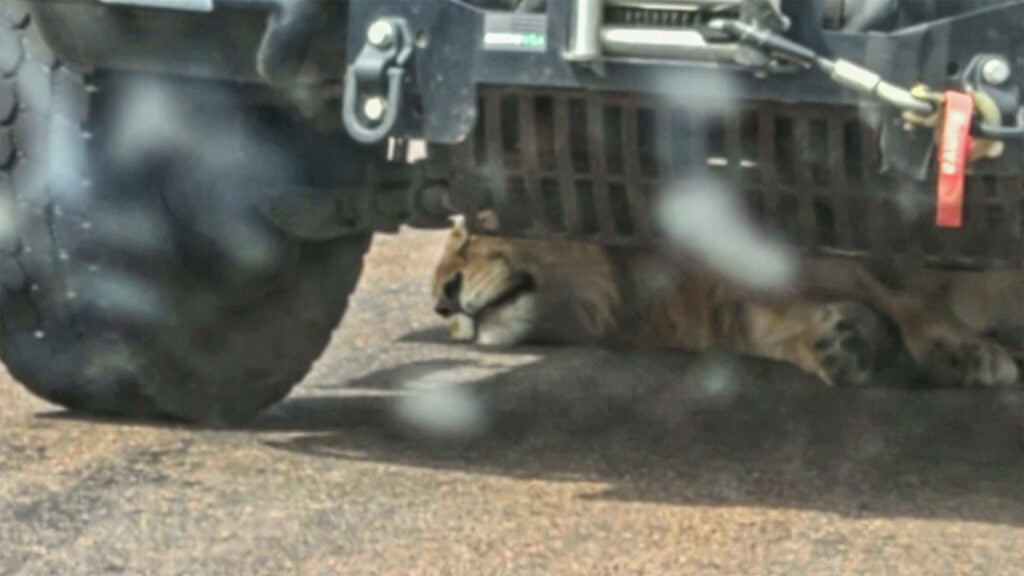
The third has gone one better and wedged itself directly underneath the vehicle, right in the cool shade.
It does not take long for that lion to settle in completely. Before long it is fast asleep, which means the vehicle is staying exactly where it is.
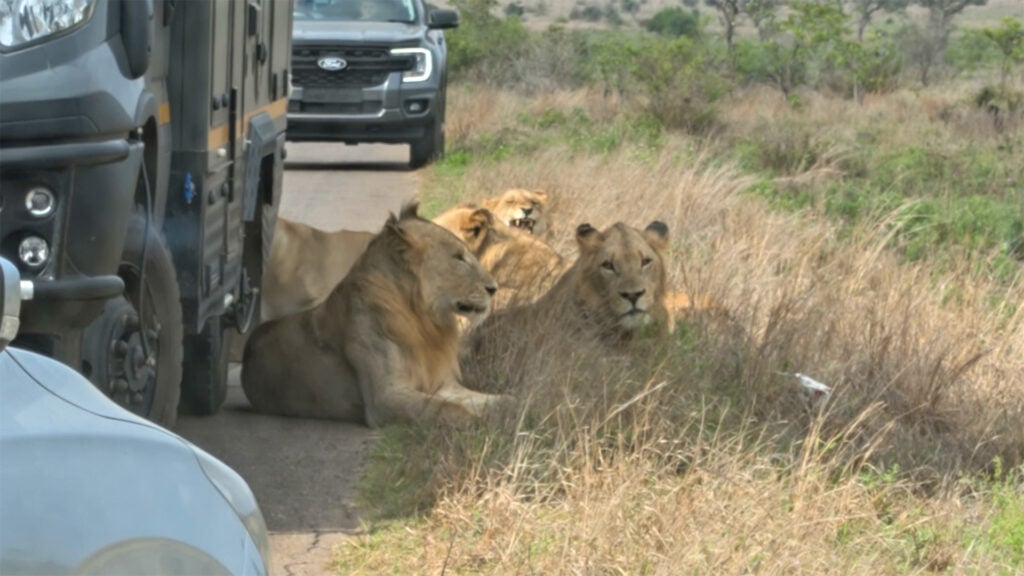
Anyone hoping to carry on with their drive will need a great deal of patience.
Shade Is Worth Fighting For
Lions are masters of doing very little. They can spend up to 20 hours a day resting, and when the temperature climbs they look for relief wherever they can find it.
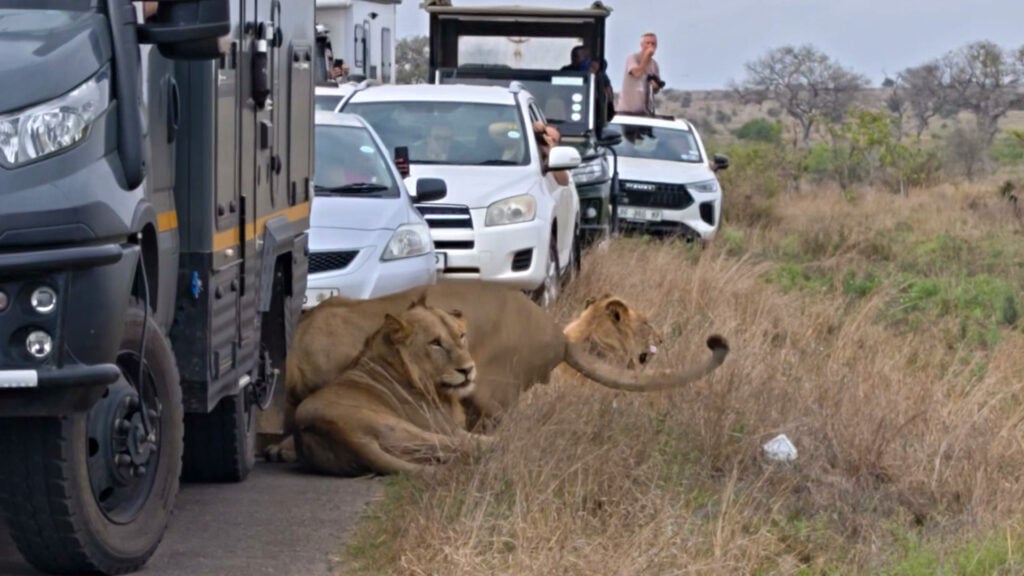
Natural shade is not always close by, and tar roads soak up heat and hold on to it. A parked vehicle casts a neat, solid shadow, which makes it a surprisingly good umbrella for a lion that wants to cool down.
It is also a good reminder of why guides never move off until every animal is clearly accounted for. A lion tucked under a vehicle is easy to miss, and a patient wait is always the right call.
El Niño Settles In
Days like this may be a sign of what is ahead. SANParks senior manager Tercia Strydom has said that El Niño has already formed, and that some models predict below-average rainfall or drought in and around Kruger from the end of this year into next.
The South African Weather Service has also forecast drier and hotter conditions across most of the country from October 2026 through to January 2027. Below-normal rainfall is the most likely outcome this summer, but an El Niño does not automatically mean drought.
Get our Best Sightings as they Come in
Kruger has faced many instances of environmental stress before. The park has experienced multiple droughts, typically in roughly 10-year cycles, and the last severe one was in 2015/16.
What Drought Means for the Animals
When rain falls short, rivers shrink, pans dry out and the grass thins. Animals tend to gather around whatever water is left, and predators like lions are quick to notice where the prey is heading.
Hot, dry conditions also raise the risk of veld fires which pose other threats to the animals. While the wildlife in this region is adaptive, and has dealt with dry spells many times before, it is a stressful event, and can take a while for life to return to normal.
Seasons like this make the park change from week to week, and it helps to know what is happening on the ground.
Our Sightings Group shares real-time sightings from Kruger National Park, along with useful updates such as road closures and other important park information. Everything is sent in by community members who are in the park right now, so it is a great way to stay in the loop as conditions shift. Join the Sightings Group before your next trip.
https://chat.whatsapp.com/CStpWyYovII3AtQ3x5bHbd?mode=gi_t
Keeping Cool in the Bush
The sleeping lion under the vehicle is funny and a little charming, but it also shows how much heat shapes life in the bush. Every animal in Kruger, big cats included, finds ways to cope, and a patch of shade on a scorching day can matter more than we realize.
As the dry months unfold, it pays to watch, wait patiently and give the wildlife the space it needs.


