

Standout Stripe Anomaly
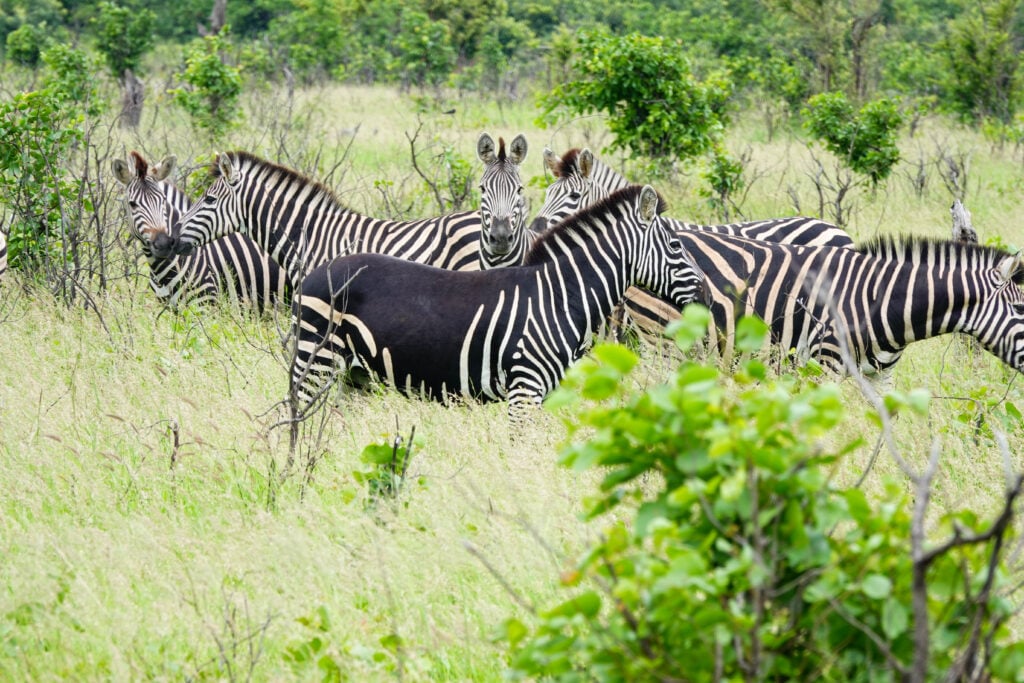
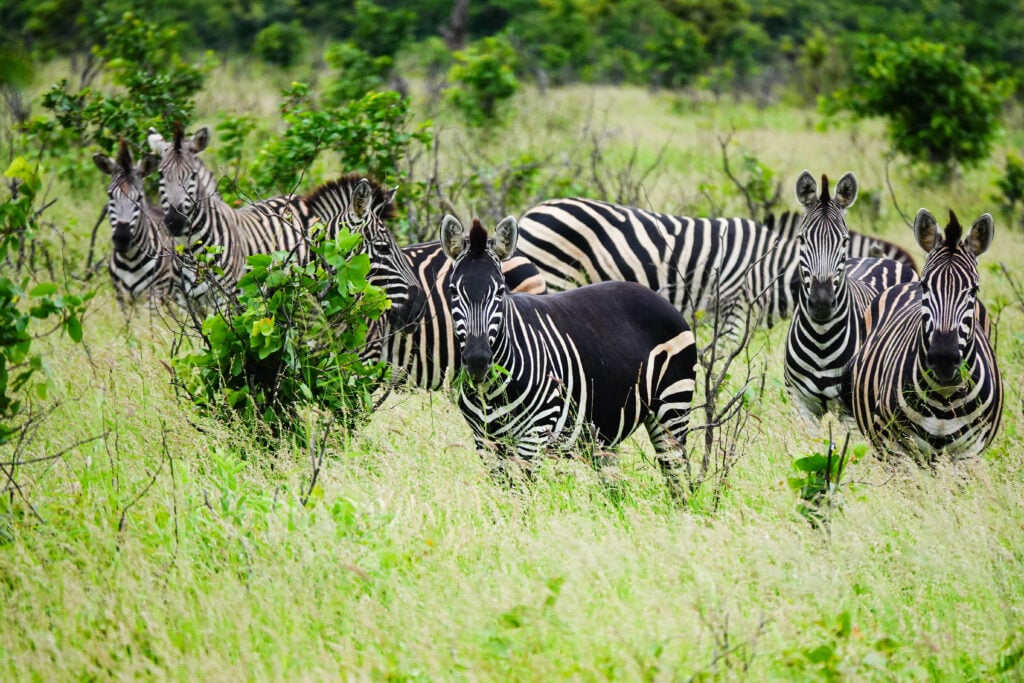
Bob and Rosa Swart, keen wildlife photographers, stumbled upon this unusual zebra while exploring Shingwedzi in Kruger National Park. It was nestled amongst its grazing herd in the tall grass, but stood out like a sore thumb.
The zebra’s middle section featured a vast black patch devoid of stripes, stretching from its shoulders across the back to the tail base. There was also a second patch on its forehead that formed almost a perfect diamond shape.
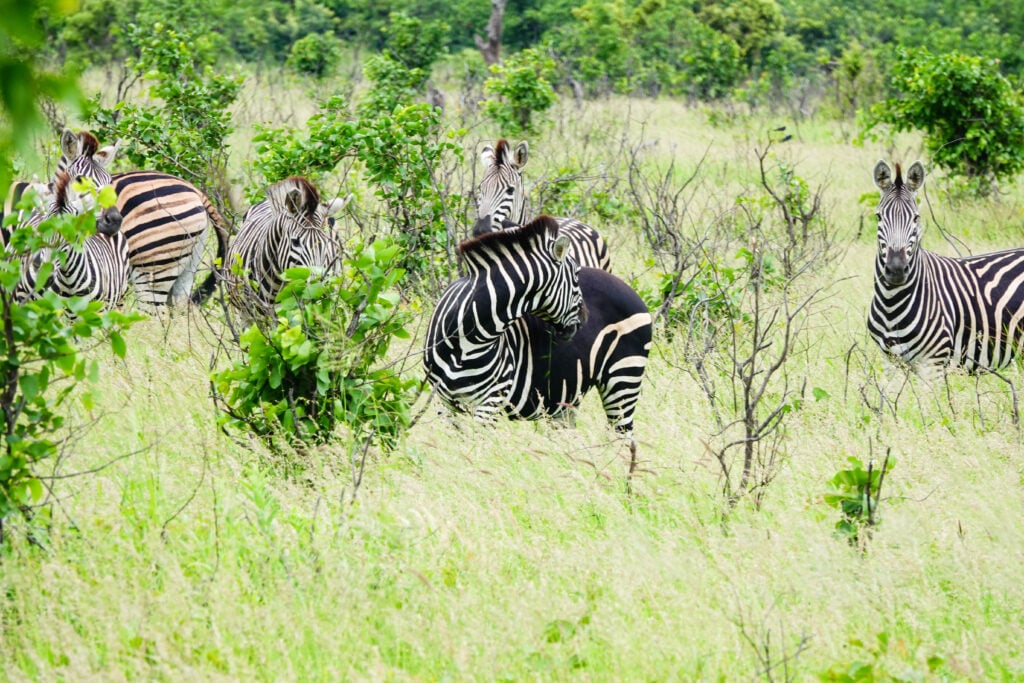
Overall, the effect was striking. It was like the zebra was wearing a solid cape, and a sort of mask or headpiece, but it still retained the normal striping on its legs and flanks.
We recently posted a story about a rare all-white leucistic zebra foal. Check that article out here.
Check out the Facebook Post:
These images capture a rare moment where a genetic quirk overrides the iconic pattern that defines the species.
Pseudomelanism at Play
This bold patch likely stems from pseudomelanism, a genetic mutation disrupting melanin distribution during foal development. Unlike albinism, which fades pigment, pseudomelanism causes excessive darkening in patches by overproducing dark pigment cells (melanocytes) in specific zones.
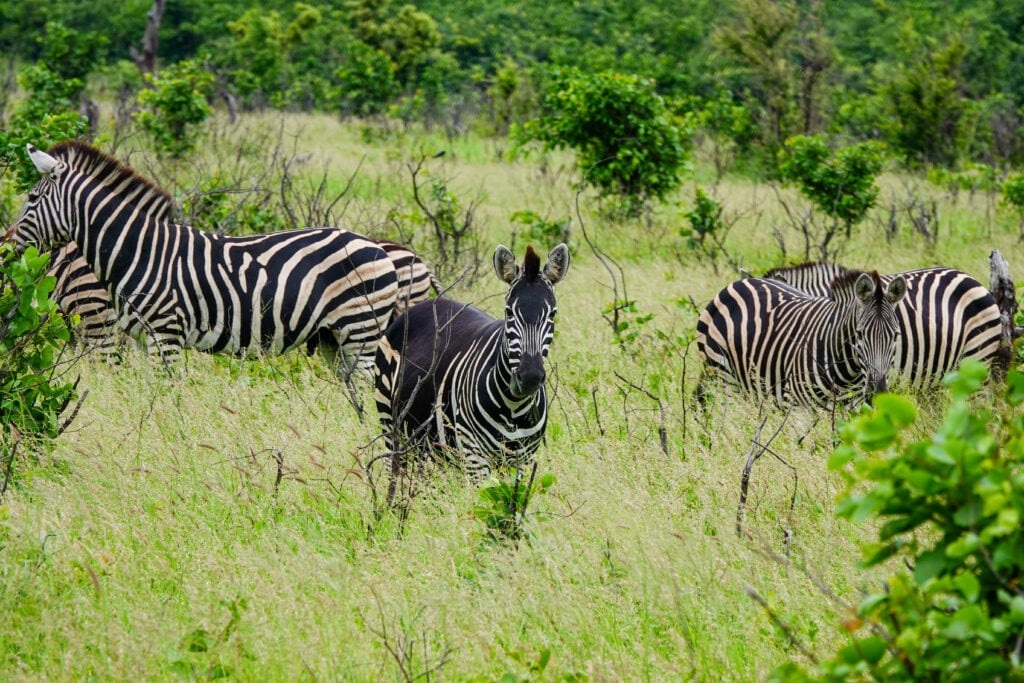
Zebra stripes form in utero as melanin flows into hair follicles in precise bands. In this case, the gene misfired, flooding the midsection with uniform black instead of alternating lines.
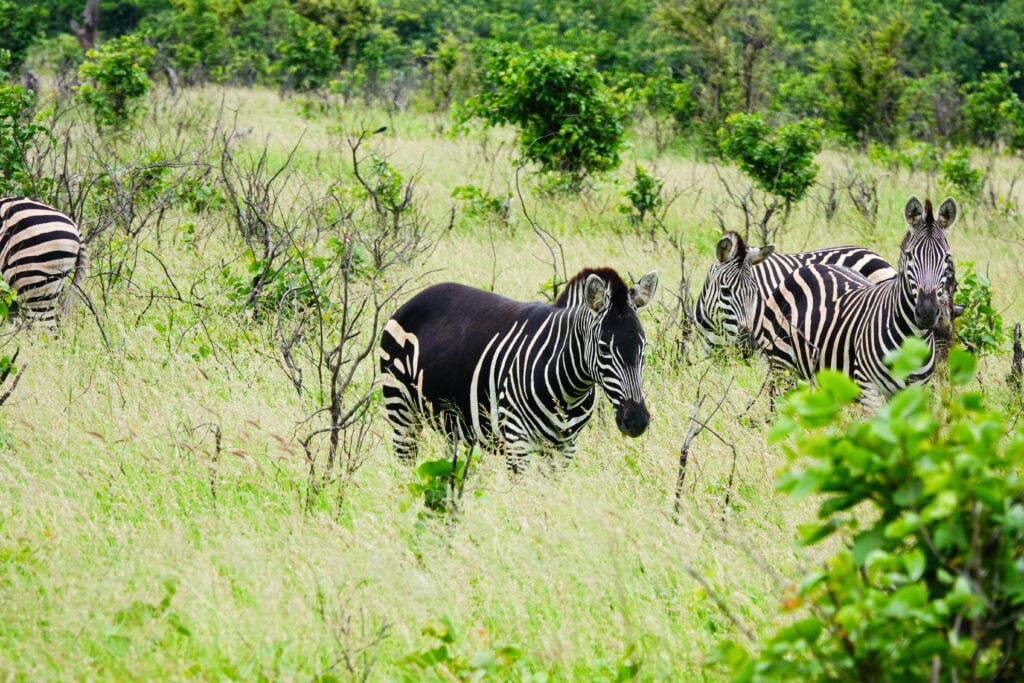
Inbreeding in fragmented habitats amplifies recessive traits like this, as isolated herds recycle limited genes, making odd patterns more visible over generations.
Survival Risks of Standing Out
The iconic stripes of zebras are meant to dazzle predators via optical confusion. When a predator is on the hunt, the stripes can cause motion blur and thwart the targeting of lions or hyenas.
This zebra’s patch erases that camouflage midway, potentially marking it as easier pickings when isolated. Anomalously marked zebras might face higher predation in open savanna, though herd-mates’ stripes offer partial cover.
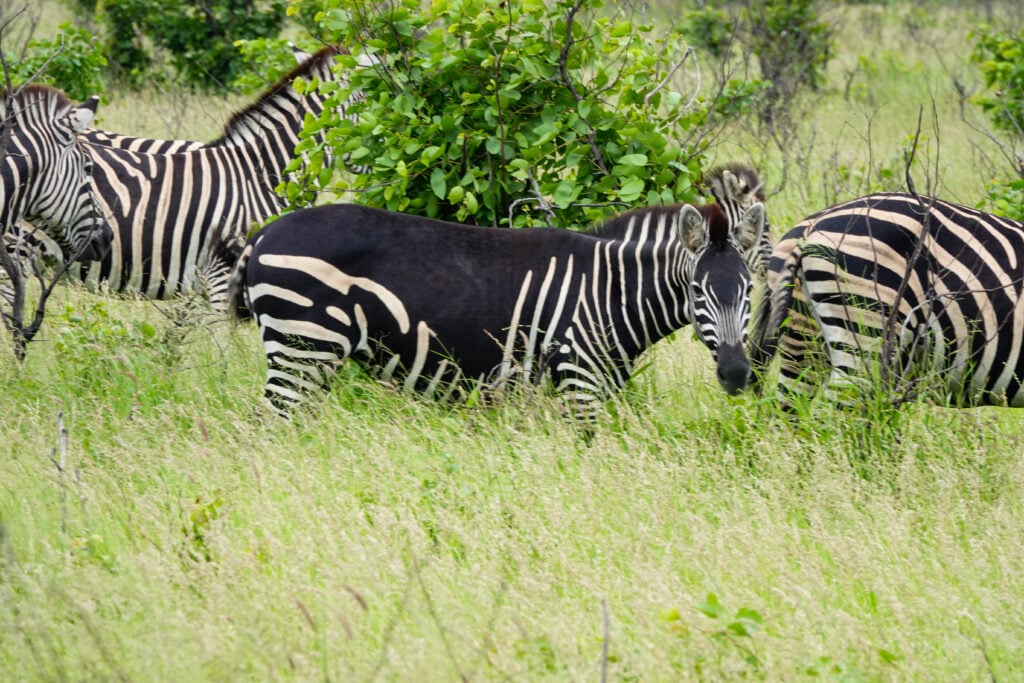
Socially, the zebra was able to integrate with its herd fine because zebras recognize individuals by patterns anyway. This means it will still be able to benefit from the protection of being in a herd and won’t risk the danger of isolation.
Genetic Clues to Habitat Health
Such mutations can signal deeper issues: shrinking ranges force inbreeding, slashing diversity and raising vulnerability to disease or drought. In Kruger’s Shingwedzi, where plains zebras roam vast but fenced zones, this sighting flags gene pool stress from barriers limiting mate choice.
Get our Best Sightings as they Come in
Geneticists track stripe anomalies as visual indicators of habitat fragmentation and inbreeding in isolated populations, a call for the need of more gene flow via corridors or translocations. Thankfully, pseudomelanistic, foals occasionally thrive, proving resilience amid genetic roulette.
Bob and Rosa’s Lucky Lens
For Bob and Rosa, it’s a portfolio gem from Shingwedzi’s riverine grasslands, where zebras mass pre-migration. Their shots freeze a living lesson in evolution’s whimsy: stripes evolved for survival, but mutations remind us that perfection bends.
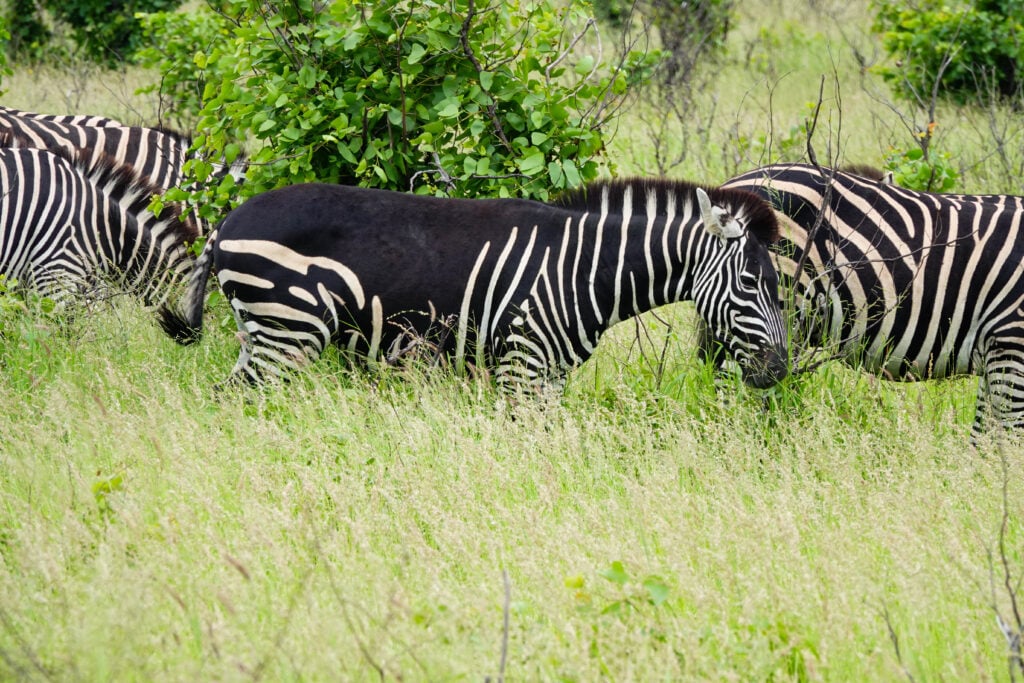
This zebra has been able to thrive so far despite its flaw, showing that nature’s anomalies can often persist longer than expected.


