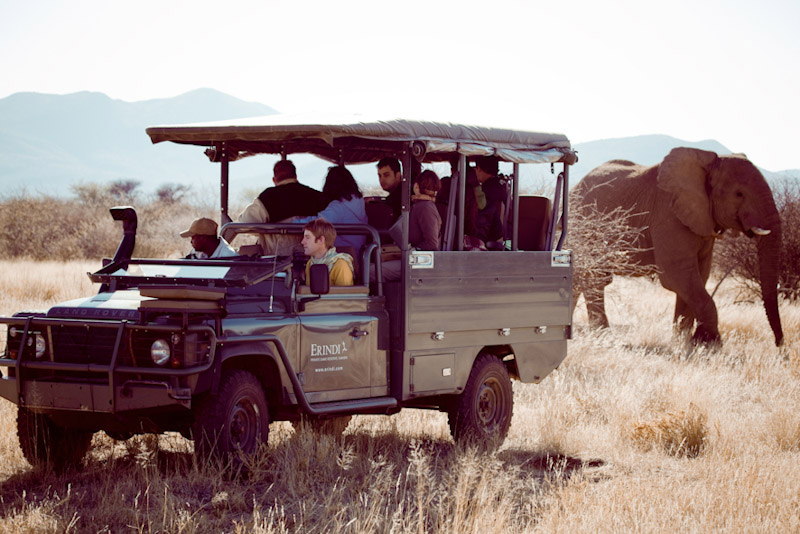

For those planning a South African safari, a key decision is whether to use the services of a professional guide or opt for the ever-popular self-drive option. Each option offers a rewarding experience, but delivers it in different ways.
If you’re planning your first safari, understanding the strengths and limitations of each will help you choose the option best suited to your expectations and requirements.
Looking to Book Your Safari Trip?
Well, we are experts in this space, so reach out to us if you need any travel advice or assistance with your bookings! Contact us at: contact@latestsightings.com
And if you are looking hoping to check out the latest animal sightings in the Kruger while on safari, why not join our WhatsApp group?
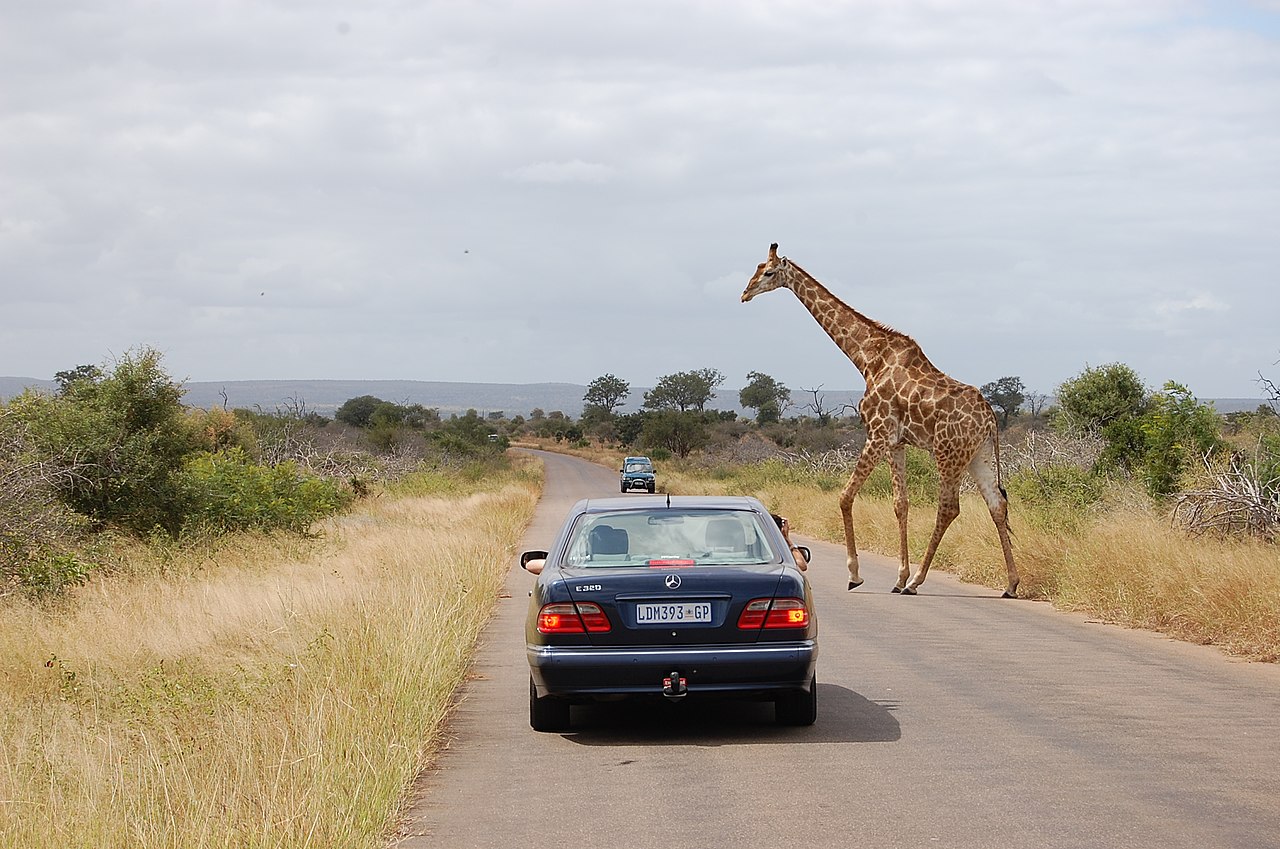
What is a self-drive safari?
As the name implies, the traveller drives their vehicle while looking for wildlife on a demarcated road network within a national park. This option is not available in private reserves, like the Sabi Sands.
What is a professional guide?
In South Africa, a professional guide completes formal training at an accredited institution recognised by FGASA and registers with CATHSSETA.
To qualify, guides must:
- Pass relevant theoretical and practical assessments
- Log their guiding hours
- Hold a first aid certificate
- Advanced guides (e.g., walking guides) must hold specialist qualifications, such as rifle handling
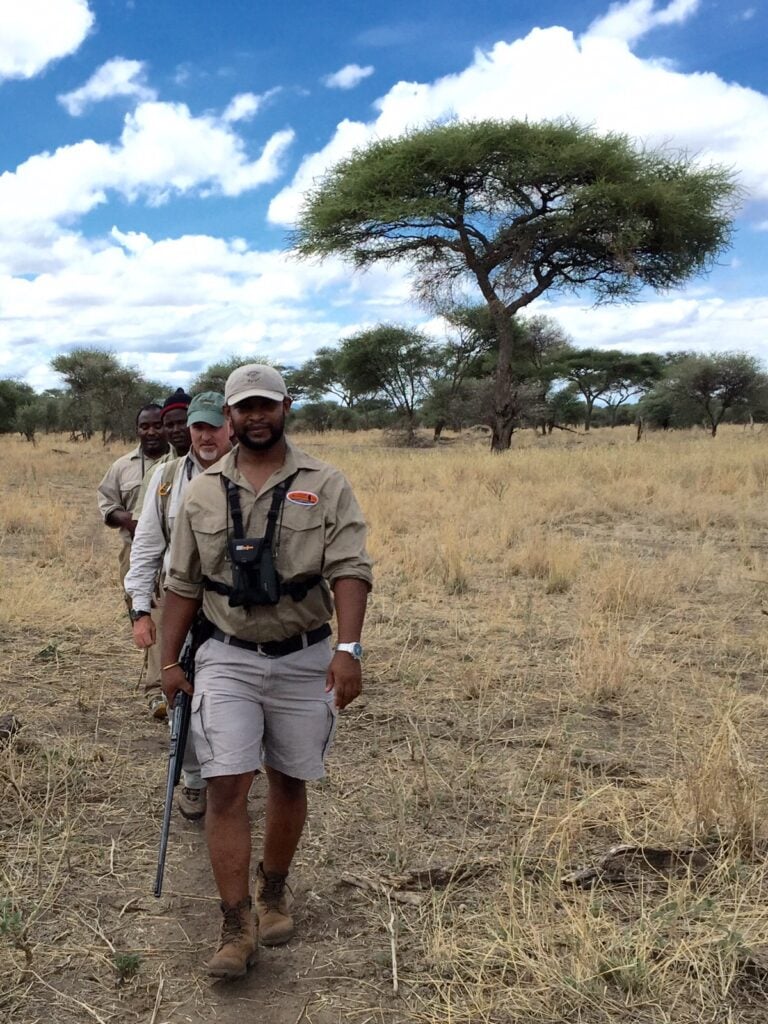
This structured training ensures guides are knowledgeable, safety-conscious, and able to interpret wildlife behaviour.
What are the advantages of a professional guide?
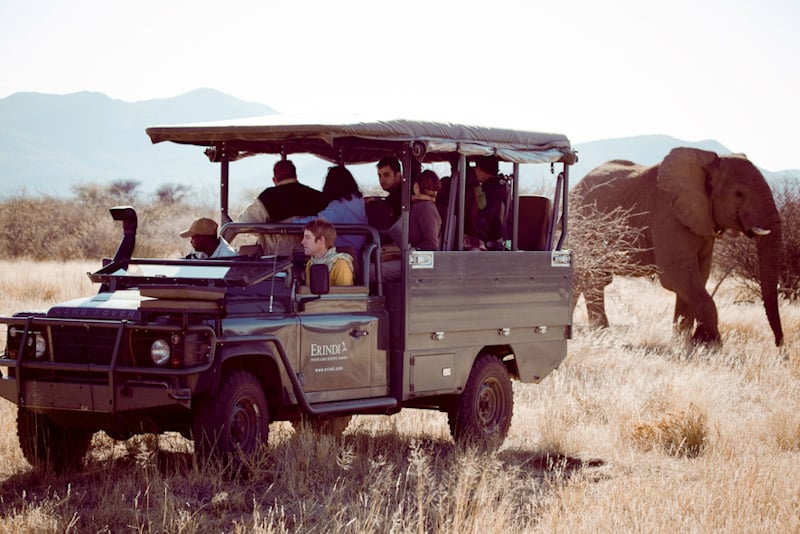
Private guides are offered as part of the services at private reserves, such as the Timbavati. In national parks, their services are offered both by park management and privately owned companies.
Using their services offers several benefits:
- Expert wildlife tracking: By observing signs such as tracks and alarm calls, guides can locate wildlife.
- Information sharing: Guides share sighting locations via a closed radio network.
- Deeper interpretation: Guides share insights into ecosystems, animal behaviour, etc.
- Greater access: In some private reserves, guides may drive off-road at select sightings, allowing closer observation of wildlife.
- Safety assurance: Guides are trained to assess animal behaviour and manage risk.
- Reduced responsibility: Guests can relax, focusing on observation and photography.
Consequently, their services come with a price tag. Guided safaris, especially in private reserves, are inherently more expensive than self-drive options.
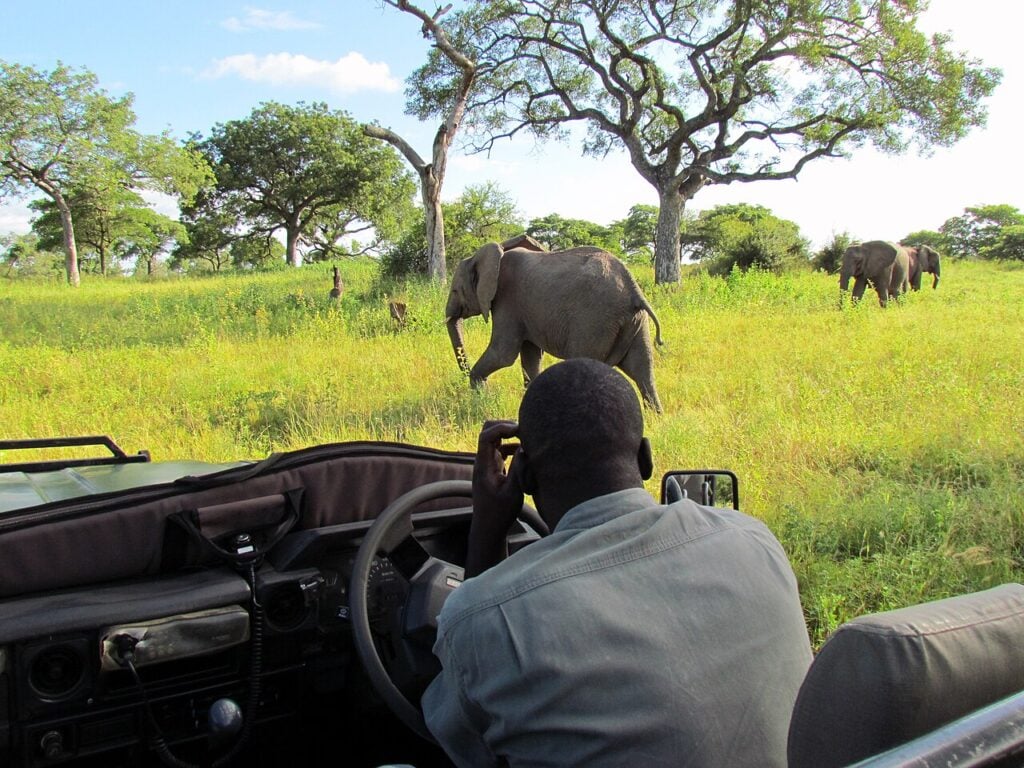
Furthermore, there is often less flexibility at private lodges, unless you book a private vehicle. In national parks, private safaris accommodate diverse groups, so catering to individual interests is difficult, unless a private vehicle is booked.
Get our Best Sightings as they Come in
What are the pros & cons of self-drive safaris?
Most visitors to national parks, such as Kruger, Pilanesberg, and Addo, opt for self-drive safaris. Using their own vehicle and a park map (and the Latest Sightings app), visitors explore at their own pace.
Advantages include:
- Flexibility: You decide the length of your game drive and duration of sightings.
- Lower cost: Accommodation and related fees are less.
- Independence: Ideal for repeat visitors and more adventurous travellers.
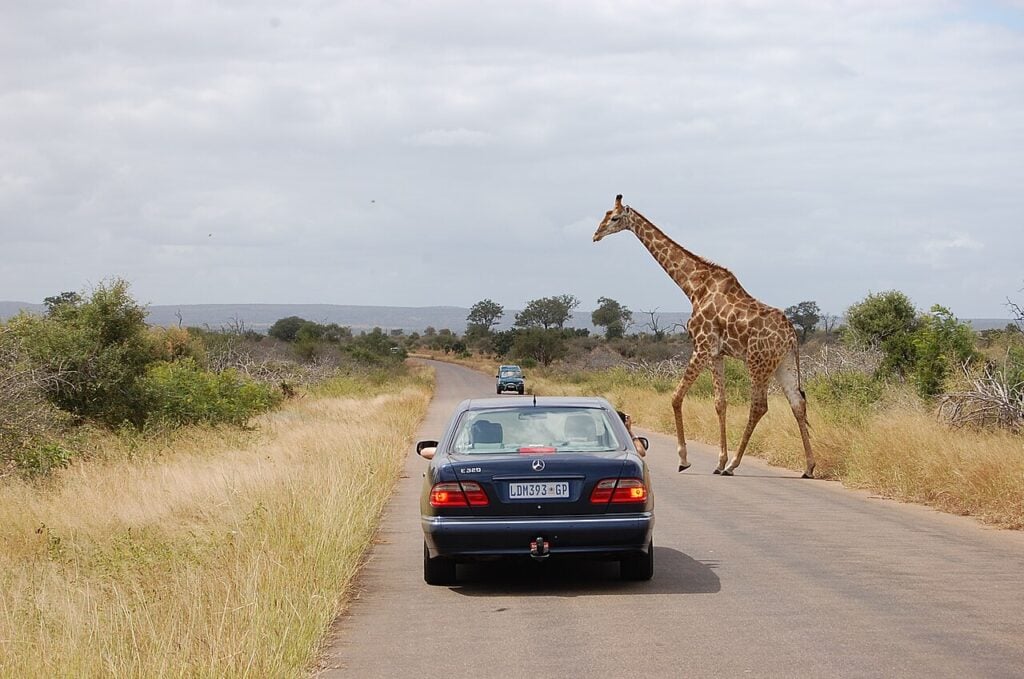
However, visitors must:
- Navigate independently.
- Spot wildlife without “expert eyes”.
- Adhere to park safety regulations.
- Leave sightings to chance.
While wildlife densities are generally excellent, without the benefit of “insider knowledge and networks”, you rely more on luck and patience.
Key differences at a glance:
The contrast often comes down to experience vs independence.
- Guided safaris offer expertise, access, and interpretation.
- Self-drive safaris offer flexibility, affordability, and personal discovery.
- Private reserves offer exclusivity and occasional off-road viewing.
- National parks prioritise accessibility, affordability, and scale.
Choosing what suits you
For first-timers or those with limited time, using a professional guide maximizes the potential for memorable wildlife exposure.
Nonetheless, for more knowledgeable and seasoned visitors, the autonomy of creating their own luck greatly enhances the adventure.
However, if you find yourself unable to decide, you can always try each option for a couple of days. That way, you’ll be better informed on your next safari.
And yes, there will be a next safari.