
Within its boundaries, it supports a myriad of habitats. These include riverine forests, mopane woodlands, and open savannas dotted with granite outcrops.
The park is home to over 140 mammal species, making it one of the most diverse large mammal conservation areas in the world. While dozens of species thrive here, several have come to define the park’s global reputation.
In this article, we share ten species for which Kruger is famous, including the Big Five, rare predators, and common and endangered antelopes.
Want to see the latest, most viral Big 5 sightings? Then you should join our WhatsApp group with the latest updates!
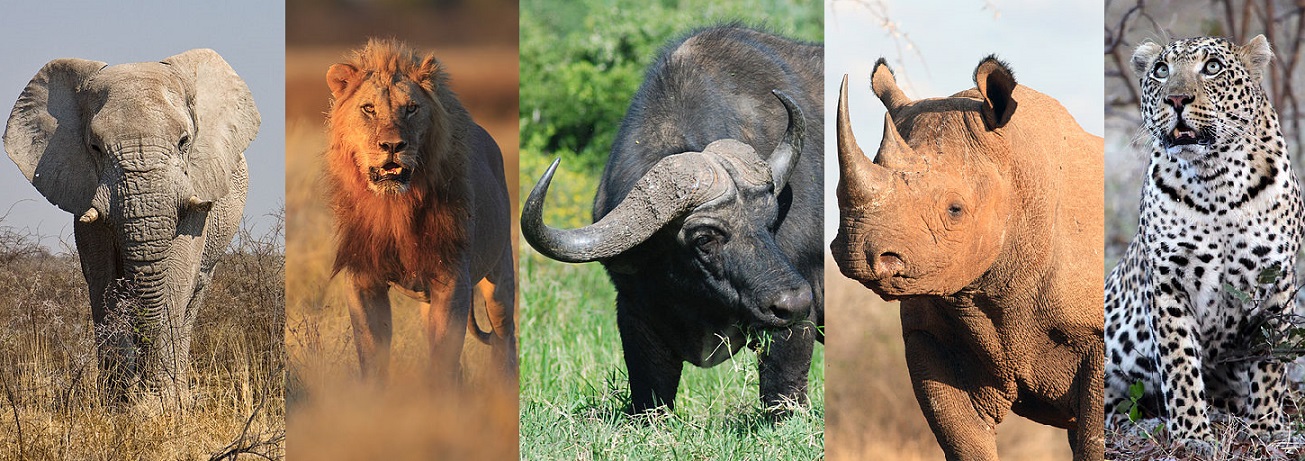
Lion
By far the largest predator on the continent. Adult males weigh up to 250 kg, boasting distinctive black and gold manes.
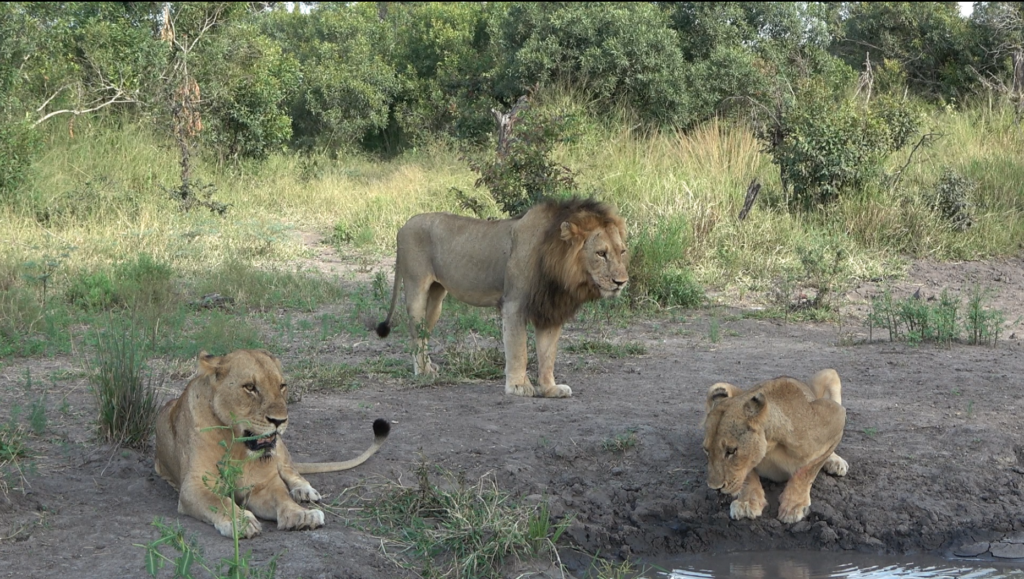
- Estimated population: 1,600
- Where to find them: Southern and central Kruger, especially open grasslands near Satara and Lower Sabie.
Fun facts:
- Lions rest fro up to 20 hours per day.
- Females do most of the hunting, while males may be called on to bring down larger prey like buffalo.
Leopard
Powerful and stealthy, leopards are solitary predators weighing between 60 and 90 kg. Their rosette-patterned coats provide excellent camouflage in all surroundings.
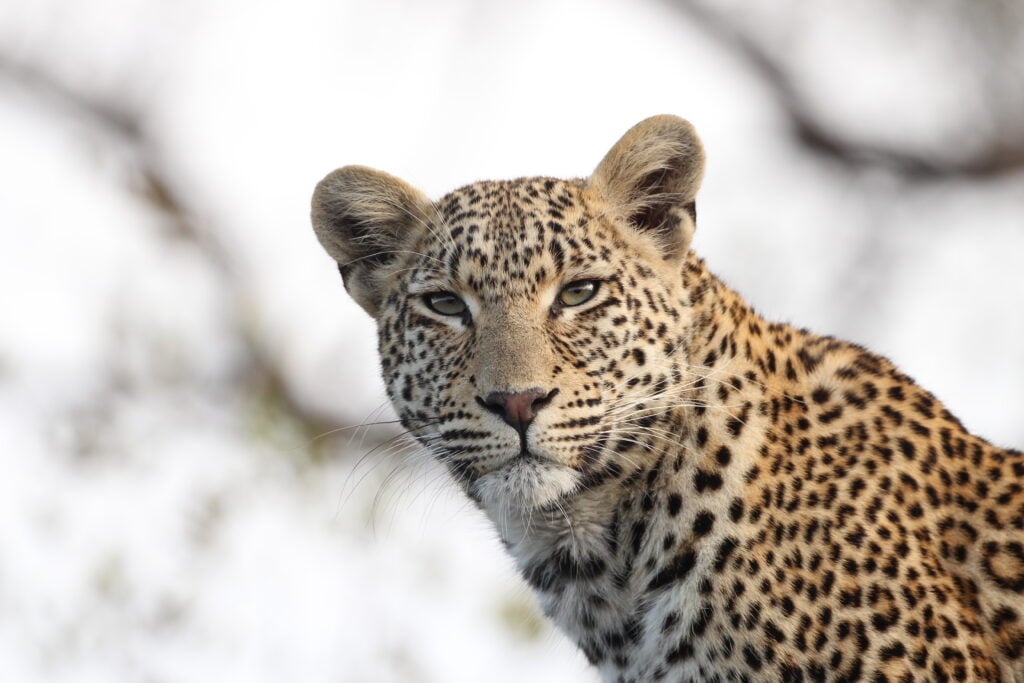
- Estimated population: 1,000
- Where to find them: Riverine areas such as along the Sabie and Sand Rivers
Fun facts:
- Leopard stash prey in trees to prevent theft by scavengers.
- Each leopard’s rosette pattern is unique, much like our fingerprints.
Elephants
Kruger is home to one of Africa’s largest elephant concentrations. Adult bulls stand over 3 metres tall, weighing in at up to 6 tonnes.
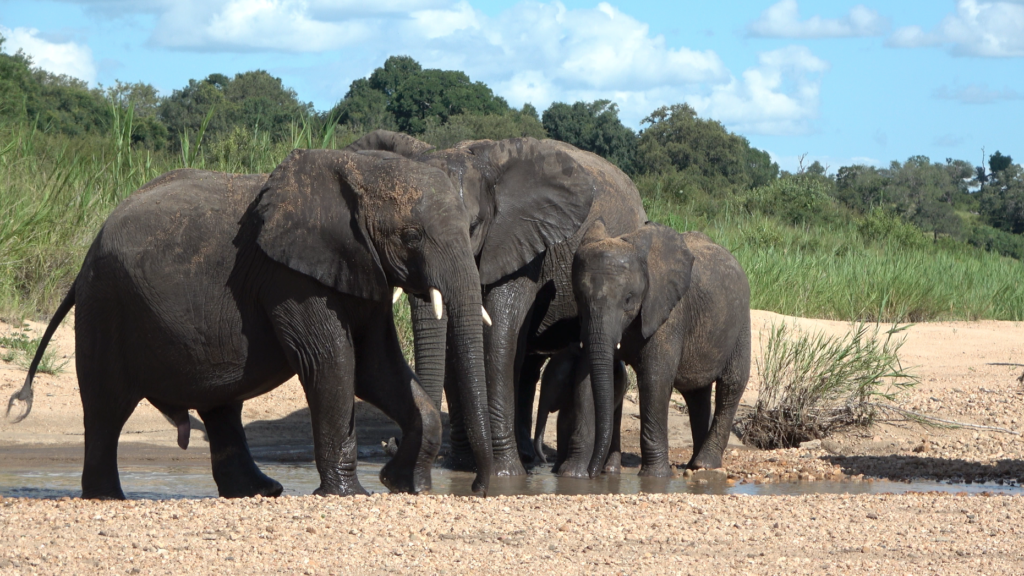
- Estimated population: 31,000
- Where to find them: Throughout the park, especially near rivers and waterholes
Fun facts:
- Elephants communicate using low-frequency sound that travel several kilometres.
- An elephant’s trunk contains over 40,000 muscles.
Rhinos
Kruger is home to both white and black rhinos. The larger white rhino weighs around 2,000 kg, compared to 900 kg for the black rhino.
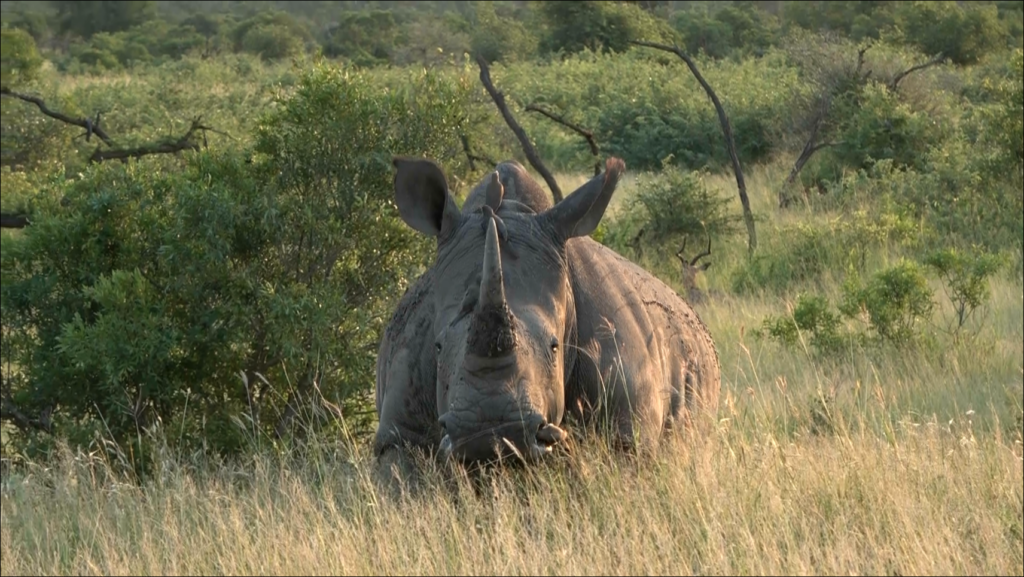
- Estimated population: Not published due to poaching risks.
- Where to find them: White rhinos prefer open areas to graze, while black rhinos browse in dense bush.
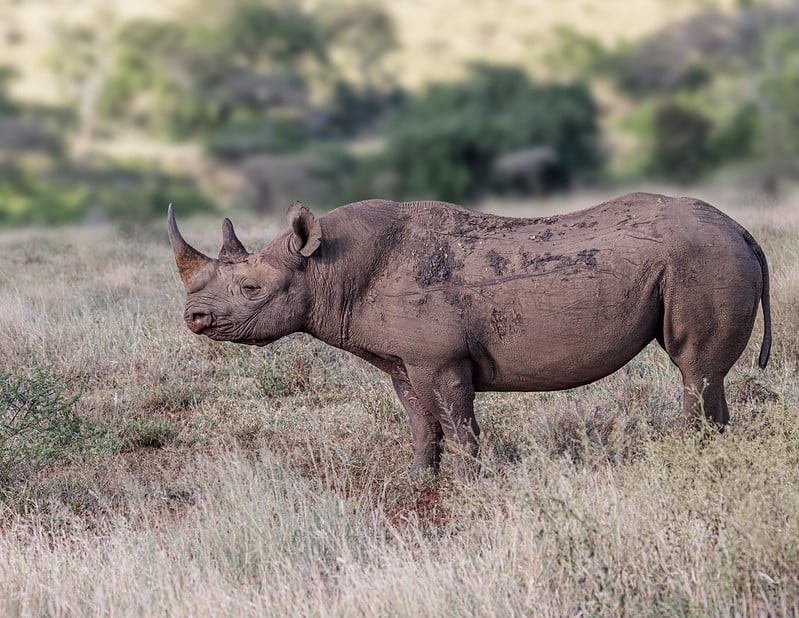
Fun facts:
- A white rhino’s wide mouth is adapted for grazing, while a black rhino’s prehensile upper lip facilitates browsing.
- Rhino horn is made of keratin, just like our fingernails.
Cape buffalo
Cape buffalo are formidable herd animals, with notoriously belligerent bulls weighing up to 900 kg.
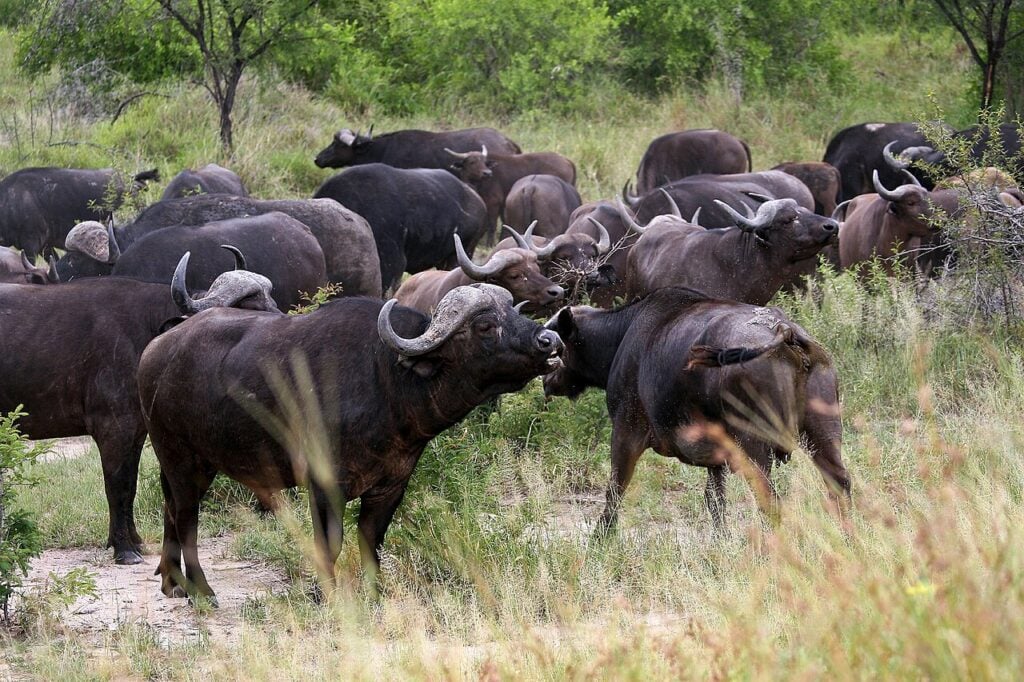
- Estimated population: 40,000
- Where to find them: Southern and central Kruger.
Cheetah
Capable of speeds exceeding 100 km/h, these spotted cats weigh 40 to 60 kg. Easily identified due to solid spots and distinctive black ‘tear marks’ on the face.
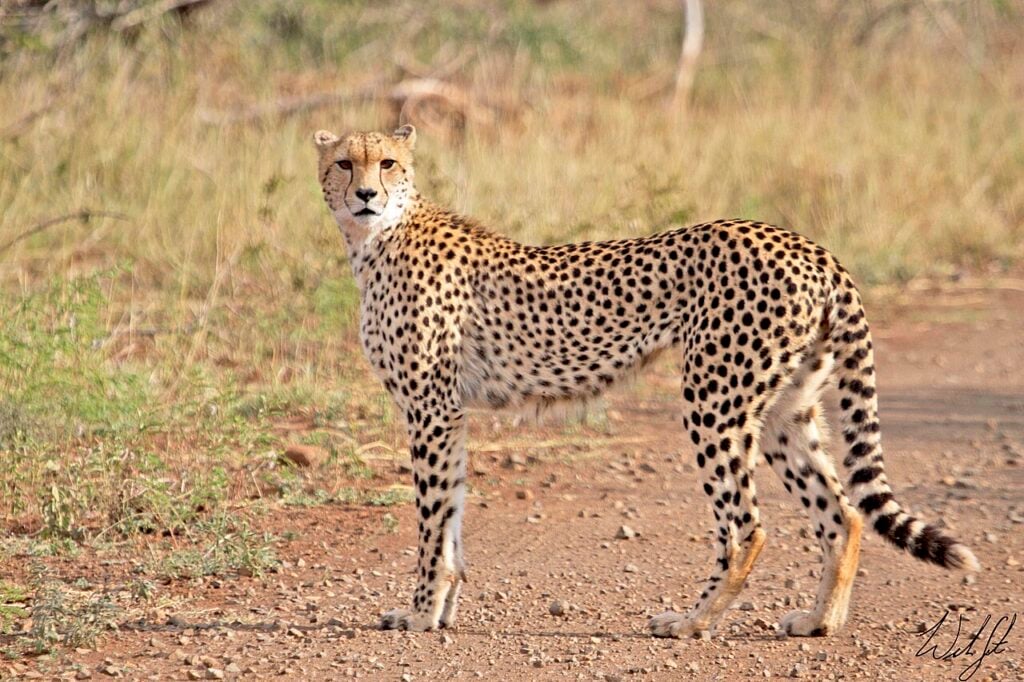
- Estimated populuation: 200
- Where to find them: Open grasslands in central and southern Kruger
Fun facts:
- Mostly active by day
- Classified by CITES as Vulnerable to extinction
African wild dog
Also known as painted wolves, these highly social predators weigh between 20 and 30 kg. They have strikingly unique patchwork coats.
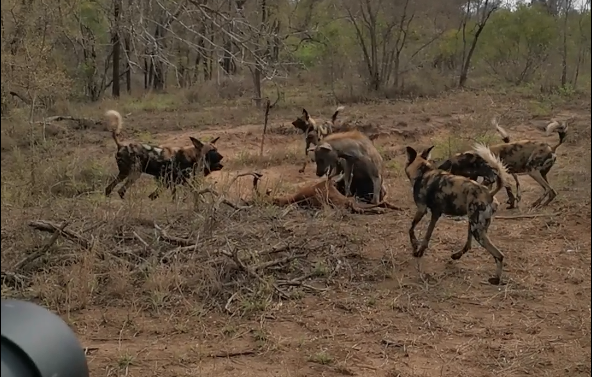
- Estimated population: 250
- Where to find them: Wide-ranging but often seen between Skukuza and Crocodile Bridge.
Fun facts:
- Boast the highest hunting success rate of any large African predator (80%)
- Packs vote on movements by sneezing.
Get our Best Sightings as they Come in
Eland
Africa’s largest antelope, eland bulls weigh up to 900 kg.
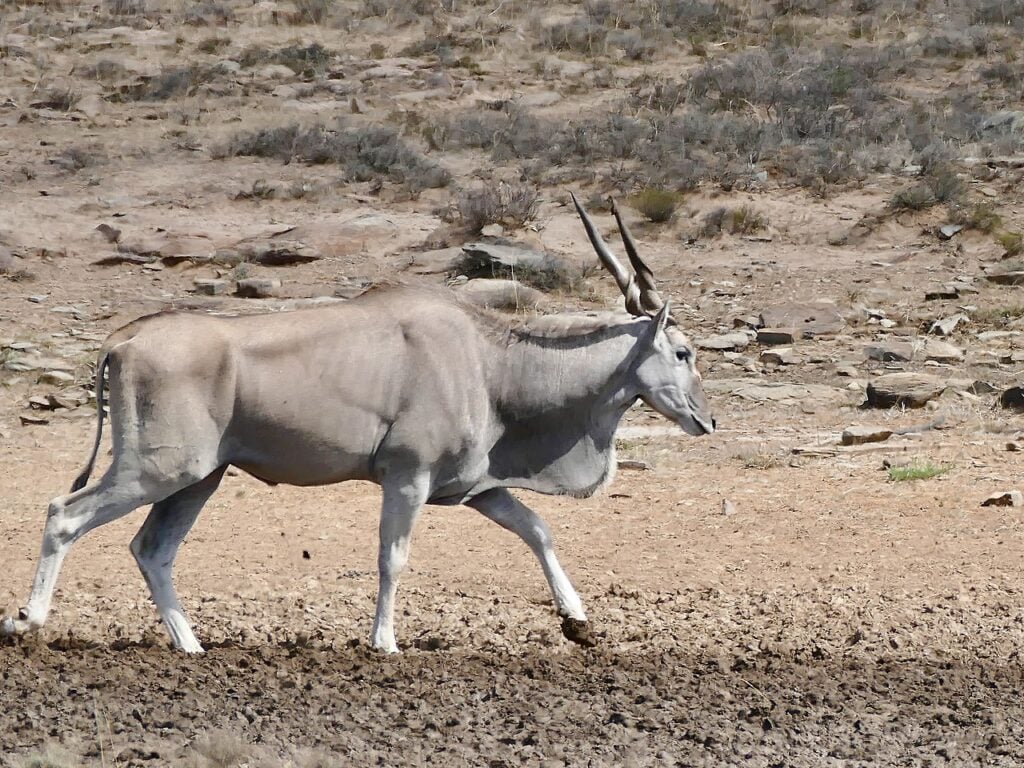
- Estimated population: 700
- Where to find them: Woodlands of northern Kruger
Fun facts:
- Can jump over 2 metres high
- Produce a clicking sound from their tendons when walking.
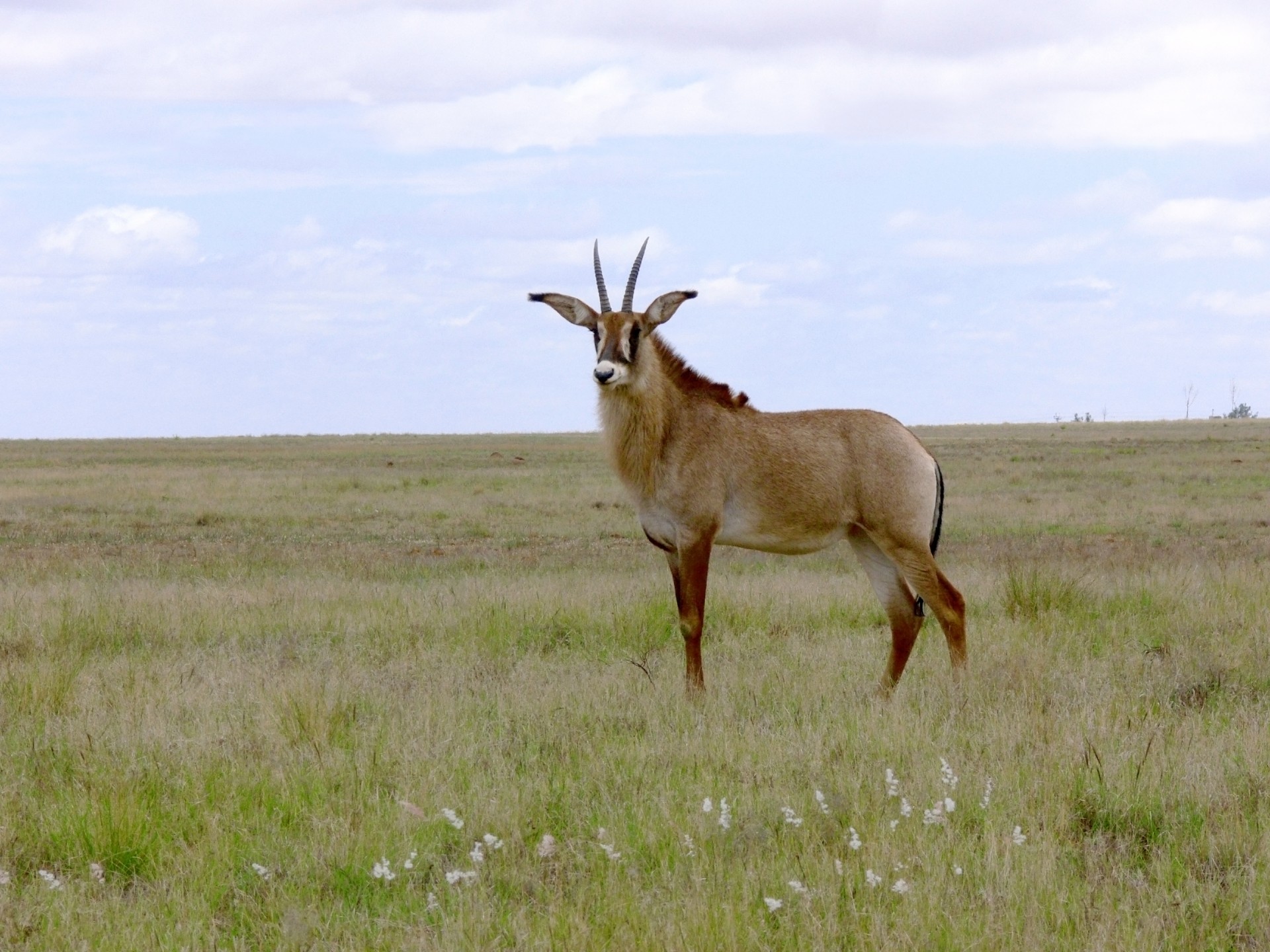
Roan antelope
One of the rarest and most striking of Kruger’s antelopes, they weigh up to 300 kg.
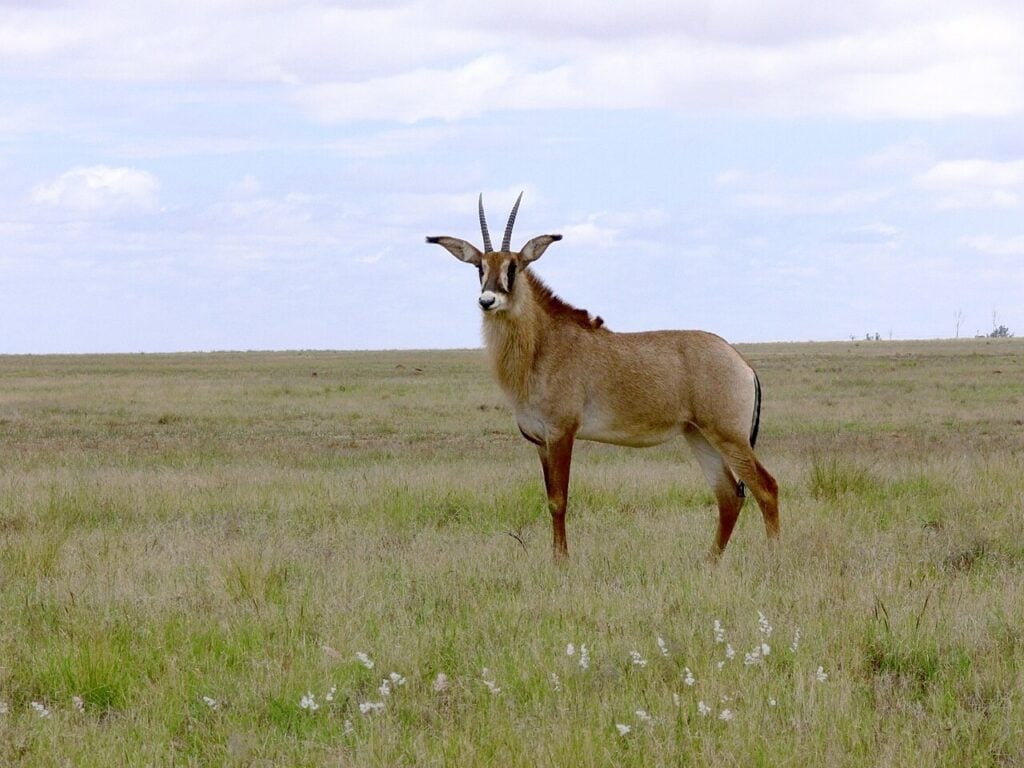
- Estimated population: Fewer than 100 individuals.
- Where to find them: In remote pockets of northern Kruger, from Mopani to Punda Maria.
Fun facts:
- Prefer open woodland with good grass cover and few predators.
- Highly sensitive to environmental changes. Past droughts have significantly impacted their numbers in Kruger.
Impala
Graceful and adaptable, impalas weigh up to 60 kg. They are the most common antelope and large prey species in Kruger.
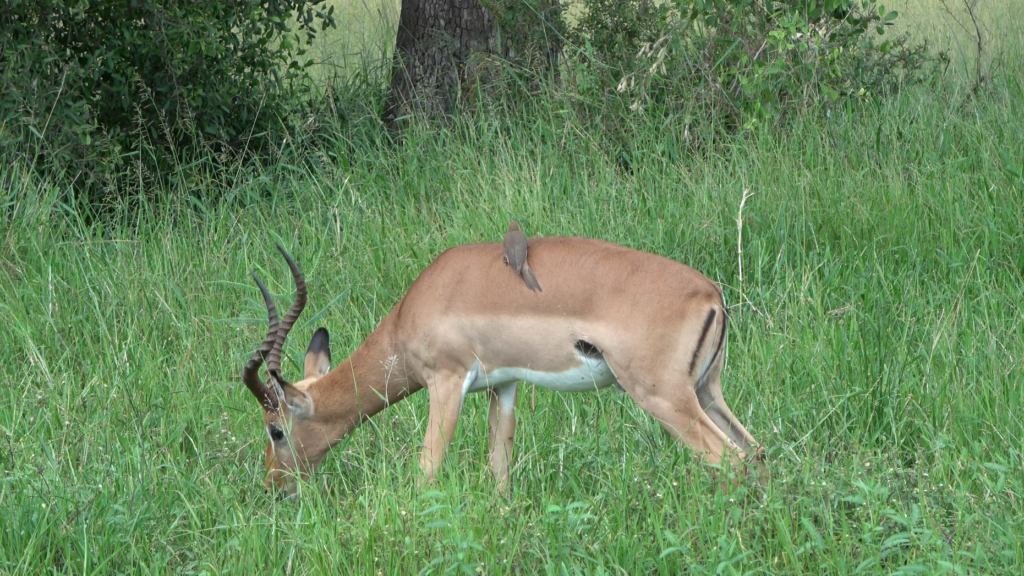
- Estimated population: Over 100,000
- Where to find them: Widespread and abundant throughout the park
Fun facts:
- Impalas can leap up to 10 metres in distance.
- They form large breeding herds numbering in the hundreds during the rutting season.
Combined, these species represent the heart of Kruger’s wildlife experience. From elegant antelope to apex predators, they showcase the park’s ecological wealth, which makes Kruger the jewel in South Africa’s conservation crown.