
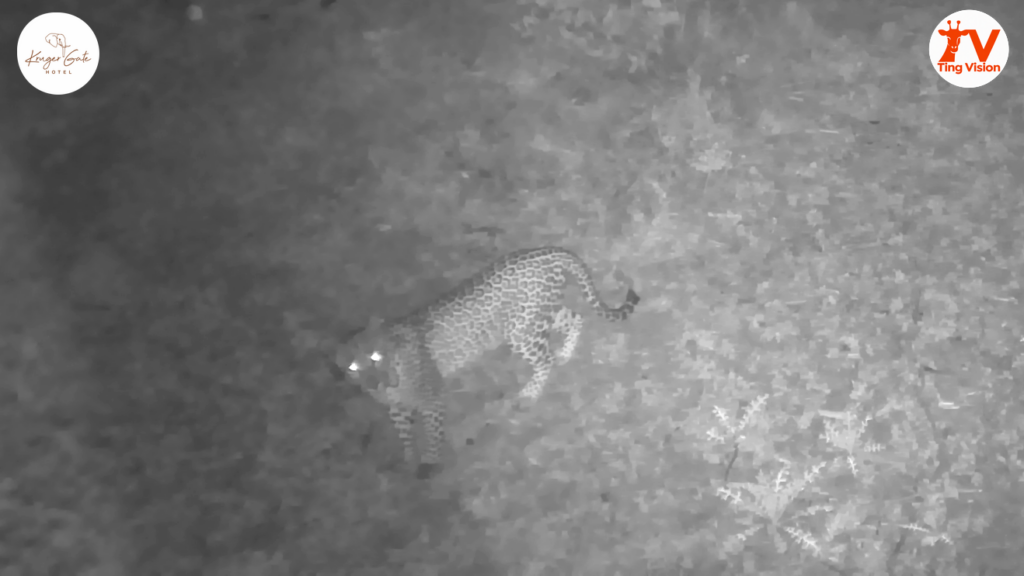
A Leopard Under the Camera
Last month, one of our Ting Vision cameras in Kruger sent through an alert of a leopard, and the cat was standing right underneath the camera at the lodge!
The leopard stopped to groom itself for a while, and it was an incredible sighting that nobody had to be sitting around waiting for. Ting Vision caught it on its own while everyone was fast asleep.
And now, we want to let you help us improve our process so we can get this result every time!
From your phone or computer, you can go through short clips from our real wildlife cameras in Kruger, look for the animals hiding in them and help us train Ting Vision to get better at telling the difference between real wildlife and all the other movement happening around the camera.
Sign up to assist here:
https://ting-vision-community-review.web.app/
What Is Ting Vision?
Ting Vision is a wildlife recognition system that we’ve been building at Latest Sightings.
It works with compatible cameras overlooking rivers, waterholes, lodge boundaries, private wildlife areas and other places where animals regularly move through.
The cameras keep watching throughout the day and night, looking for wildlife. When something is picked up, the system can send WhatsApp alerts, save the footage and keep a record of the sighting so that we can go back to it later.
Basically, the cameras keep watching long after everyone else has stopped looking.
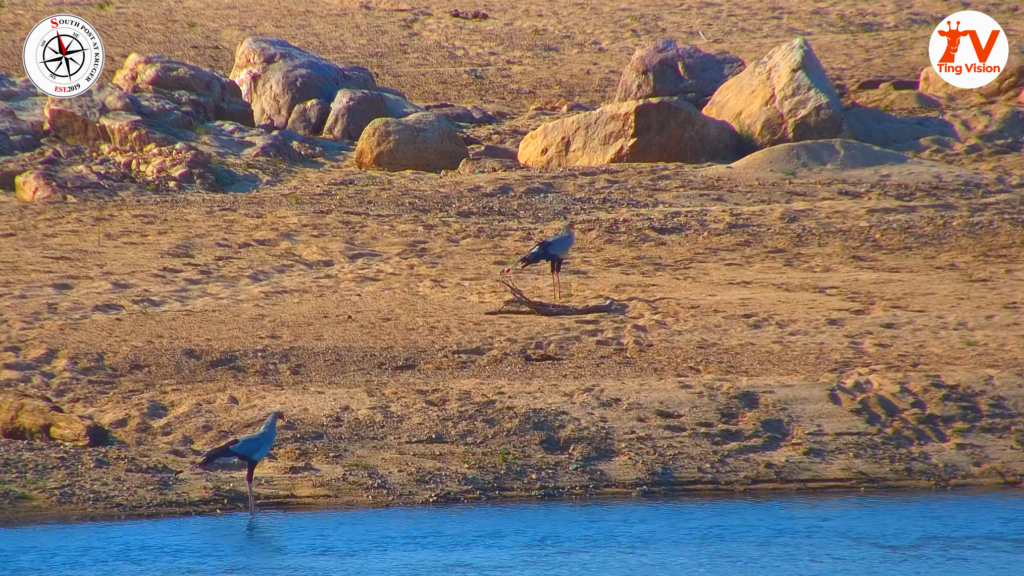
Like this sighting from last month, when one of the cameras picked up two secretary birds walking towards the river for a drink.
Our team took over and followed them for more than half an hour before they eventually disappeared into the thick bush.
And some of the coolest sightings happen at times when hardly anyone would normally be watching.
Watch the Sighting:
The Alert Is Only the Beginning
Sometimes, the camera spotting an animal is only the start of the sighting.
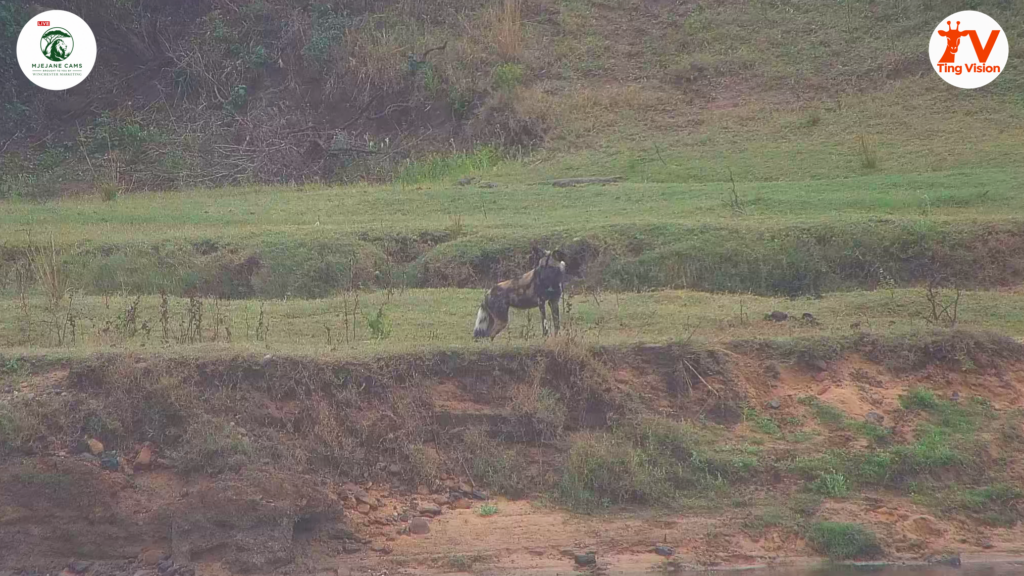
Early this month, our team was already following a pack of wild dogs at one lodge when another alert suddenly came through from a different camera saying that there was another pack.
So we quickly jumped onto that camera as well and started following the second pack.
The cameras also start building up a history of the animals that regularly move through an area.
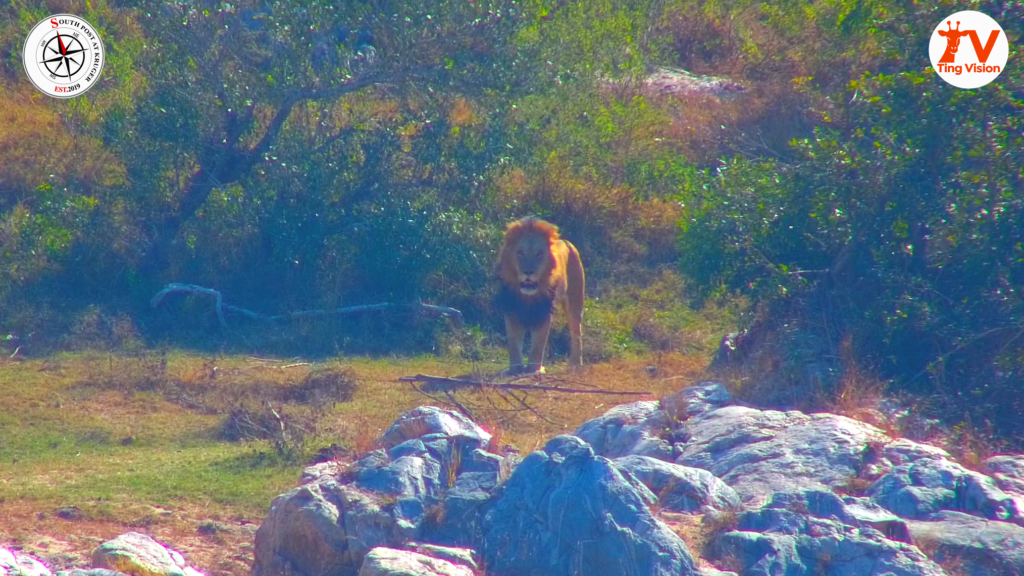
One male lion, for example, had been picked up several times at night after first appearing in December.
Then, on 3 August, we finally got him during the day and were able to follow him until he disappeared over a ridge.
This Is Where You Come In
Of course, there is one problem with having wildlife cameras watching all day.
Not everything that moves is an animal.
Grass blows around. Branches move. Water ripples. The light changes. Birds fly across the screen.
And at the same time, there might actually be an animal standing quietly in the background, partly hidden behind a bush or nowhere near the movement that originally triggered the clip.
So we end up with a huge amount of footage to work through.
That’s where the Ting Vision community review platform comes in.
You’ll be shown a short clip from one of the cameras, and your job is simply to look carefully at the whole scene.
Was there actually an animal there? Was it just a false alarm? Or are you not completely sure?
Those little decisions help us clean up the footage, but they also give us really useful information that we can use while training Ting Vision.
And it is already working.
Today, one of our reviewers spotted a leopard hiding in a clip that the model hadn’t confidently identified as an animal.
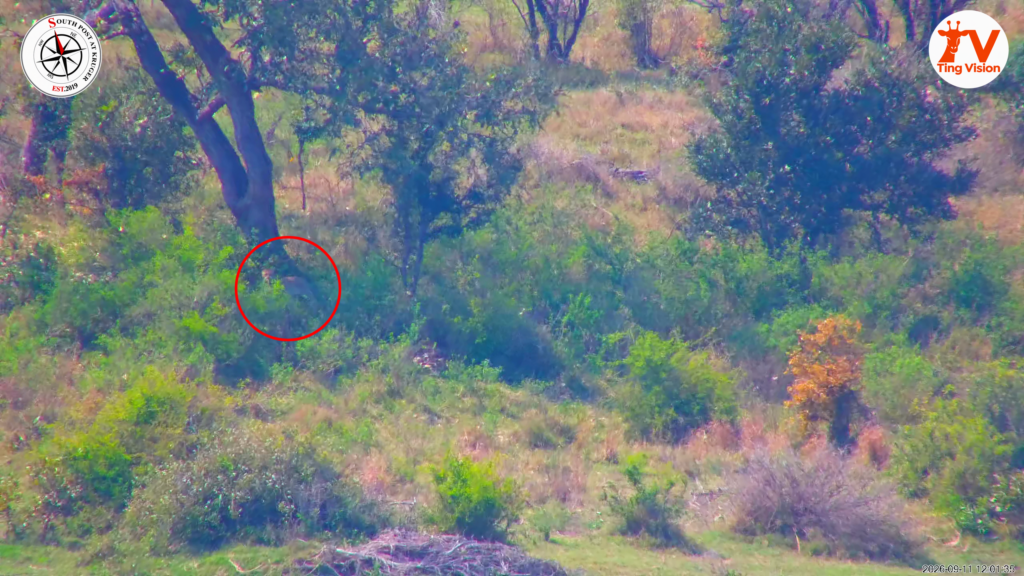
That is exactly why having people look through the footage is so useful for training. Sometimes things can be missed, but someone sitting at home could spot them and help us improve the system for next time.
We’ve also tried to make the whole thing as much of a game as possible, because going through wildlife footage should hopefully be fun too. 😁
Warning!
It is addictive. Some users have gone through thousands of clips in a single day.
Animal or False Alarm?
The current review system gives you three main choices.
Choose Real motion when there is an animal somewhere in the scene. That includes birds on the ground, sitting in a tree or moving around in the scene.
Choose False alarm when there isn’t any qualifying wildlife and the movement was caused by something like grass, branches, water or a bird simply flying through the frame.
And choose Not sure whenever you genuinely can’t tell.
There is no need to guess.
You can also flag a Predator or mark a clip as Interesting if you spot something unusual or especially cool.
A group of otters suddenly turning up at the water, for example, is exactly the sort of thing that could be worth flagging as Interesting.
Wildlife Spotting Meets Citizen Science
There is a citizen-science side to this as well.
Instead of only watching wildlife clips for fun, you’re actually helping us make structured observations from real camera footage.
Everyone is looking at the same sort of clips and answering the same basic questions, and each answer is linked back to that piece of footage.
We can then review what the community has found, and when lots of people carefully go through thousands of clips, all of those little decisions start becoming really useful and helpful.
Even telling us that a clip was only a false alarm helps, because it teaches us more about the difference between actual wildlife and all the other movement the cameras see every day.
Start Spotting From Your Couch
You don’t need to be a scientist, a ranger or an expert to help.
Open the Ting Vision community review platform, create an account and verify your email address. Link below:
https://ting-vision-community-review.web.app/
You’ll then start seeing short clips from the cameras.
Watch the whole scene, not only the area where the movement first happened, and then choose Real motion, False alarm or Not sure.
As soon as you answer, the next clip will come up.
You can also change the playback speed, make the footage bigger and undo your previous choice if you need to.
There is no rush. Spotting things properly is much more important than getting through the clips quickly.
You might find an animal hiding right at the edge of the frame.
You might save us from checking another moving branch.
Or you might be the person who spots a leopard, flags a predator or finds a sighting that none of us had noticed yet.
Either way, your help will go a long way!


