

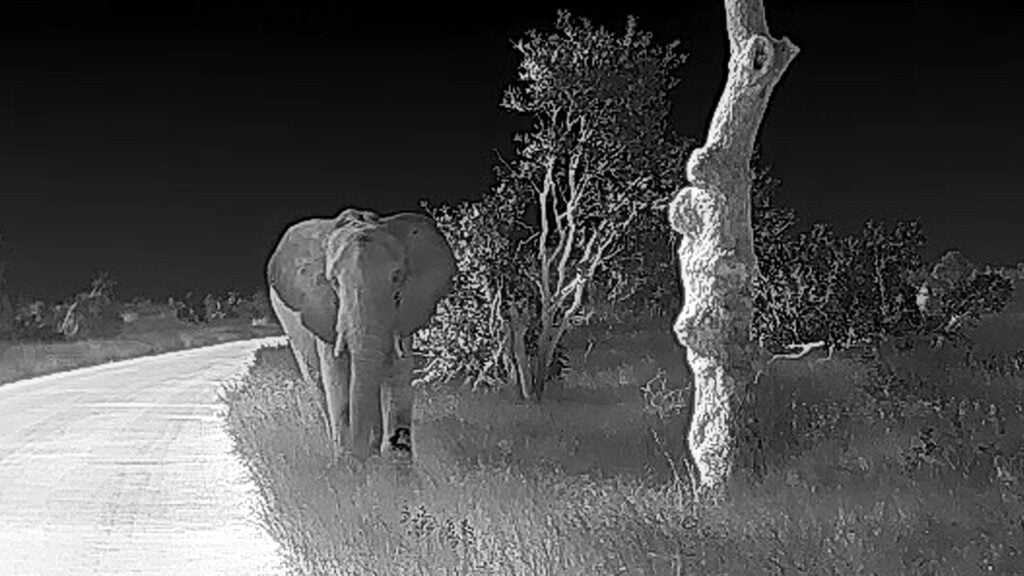
Two Ways of Seeing the Same Bush
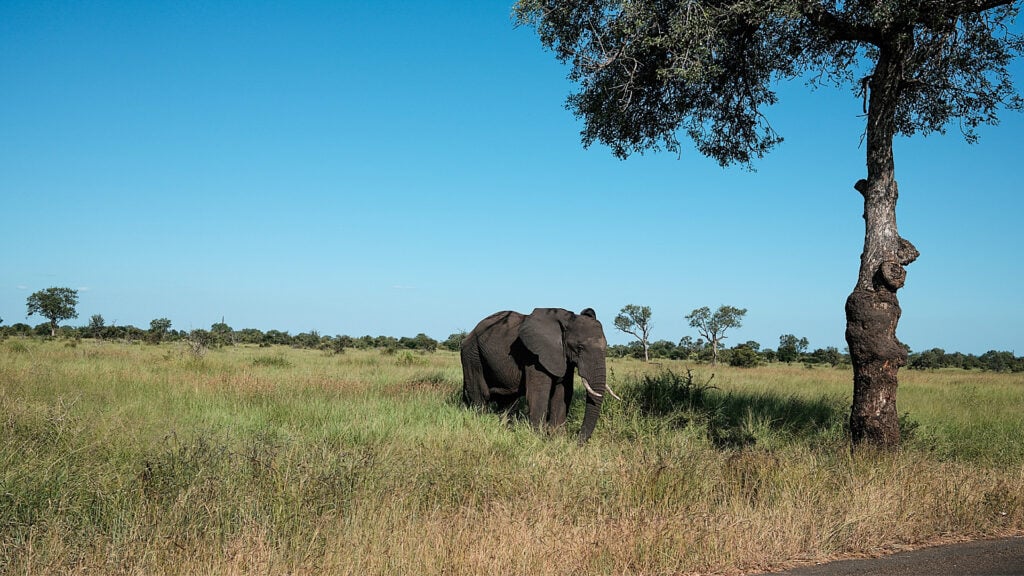
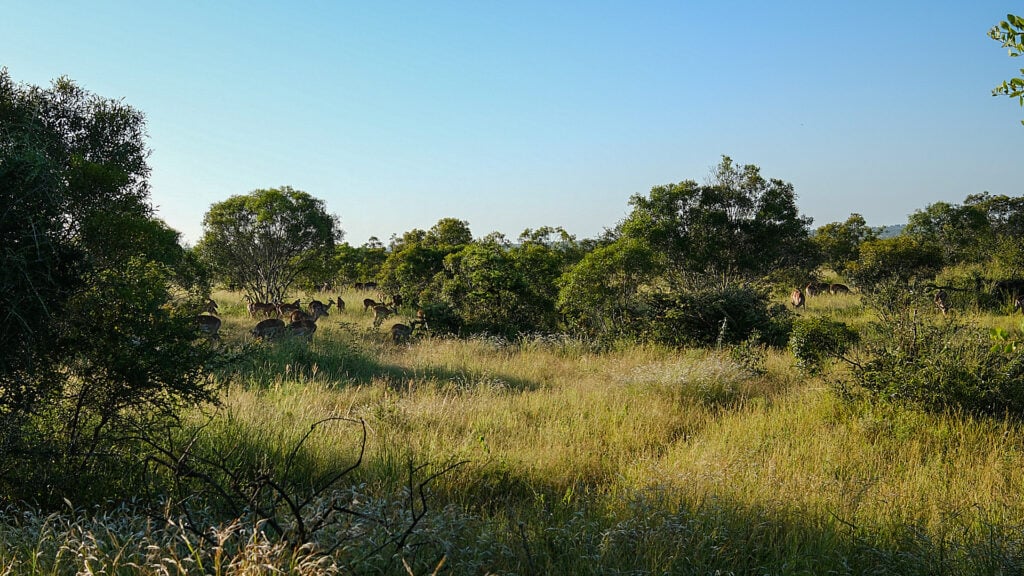
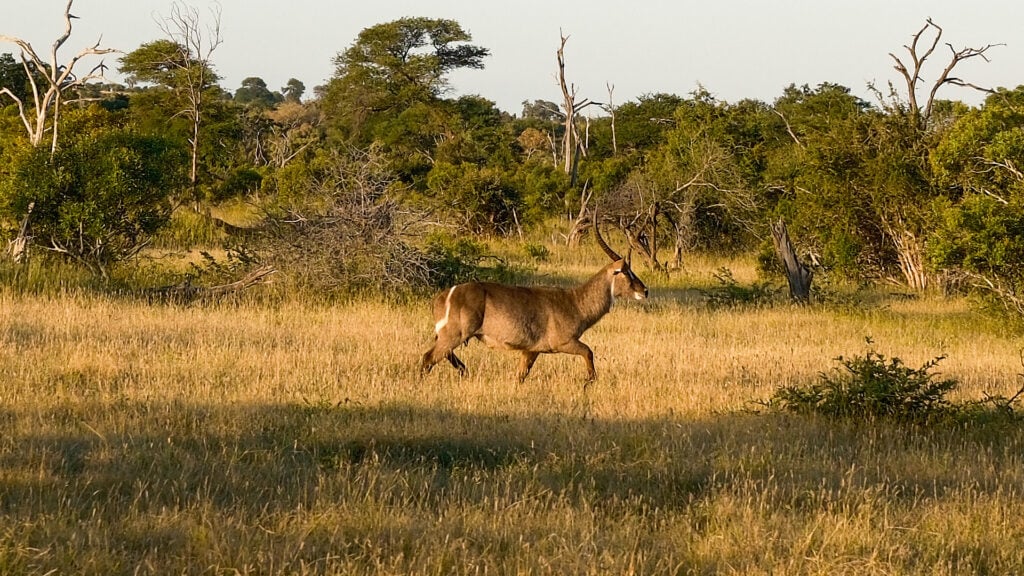
Pull up footage from a normal camera on a typical safari morning and you’ll see exactly what you’d expect: golden grass, dappled shade, and the occasional animal moving through the frame. It’s beautiful, but it’s also easy to miss things.
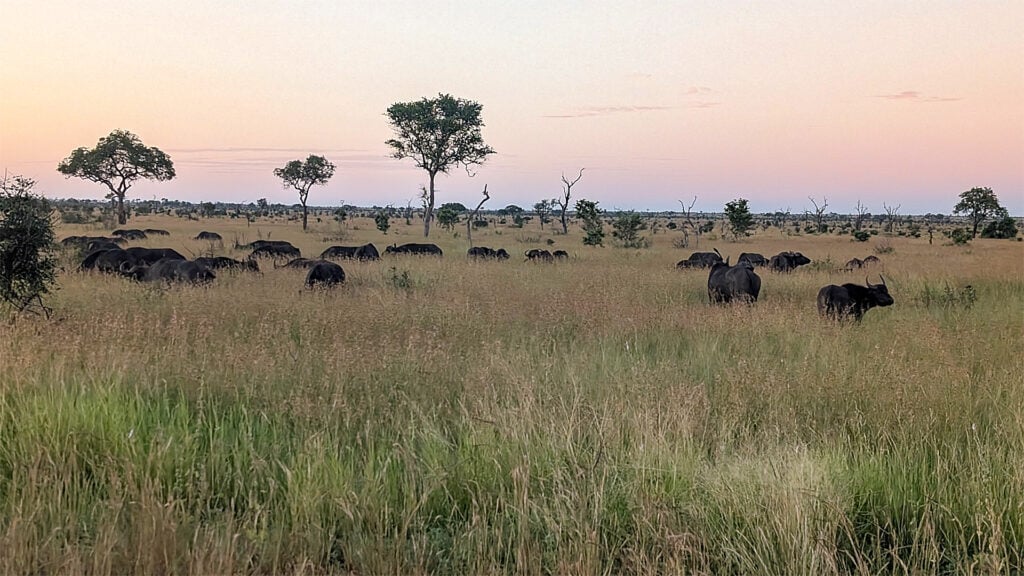
A buffalo standing in deep shade, a lion resting flat against a termite mound, or a kudu tucked just far enough into the treeline to disappear completely. Now switch to the thermal camera footage from the same moment.
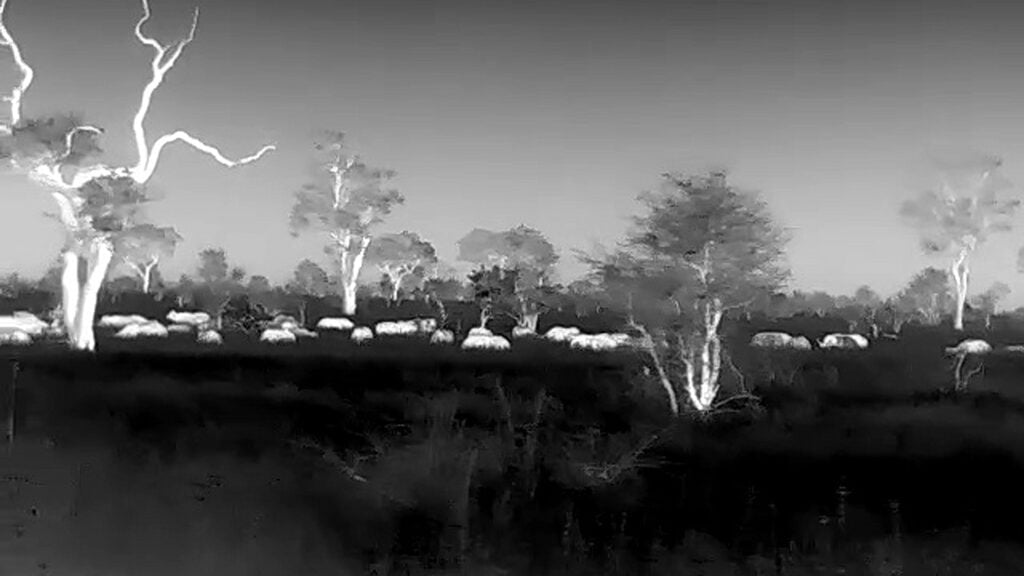
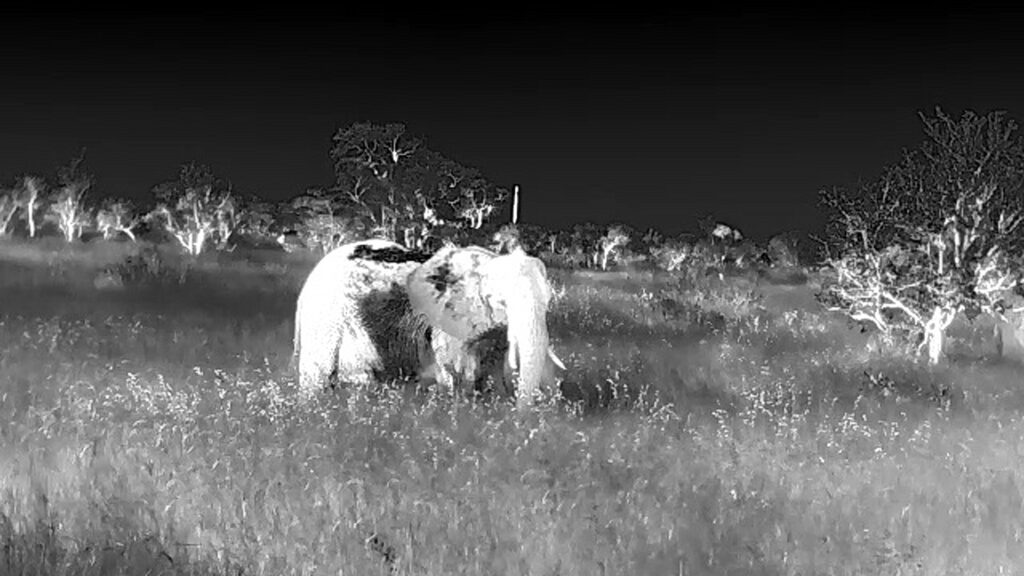
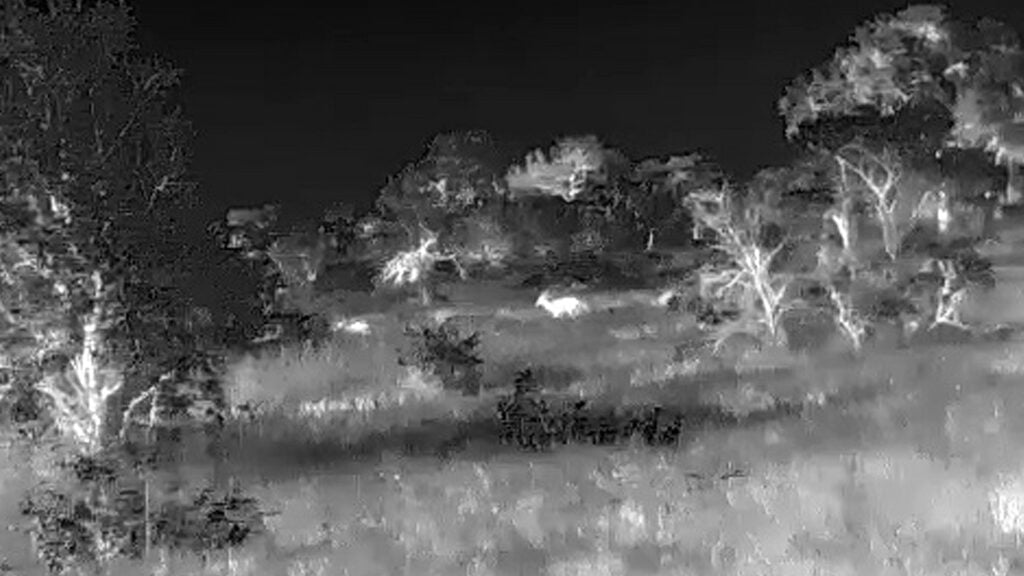
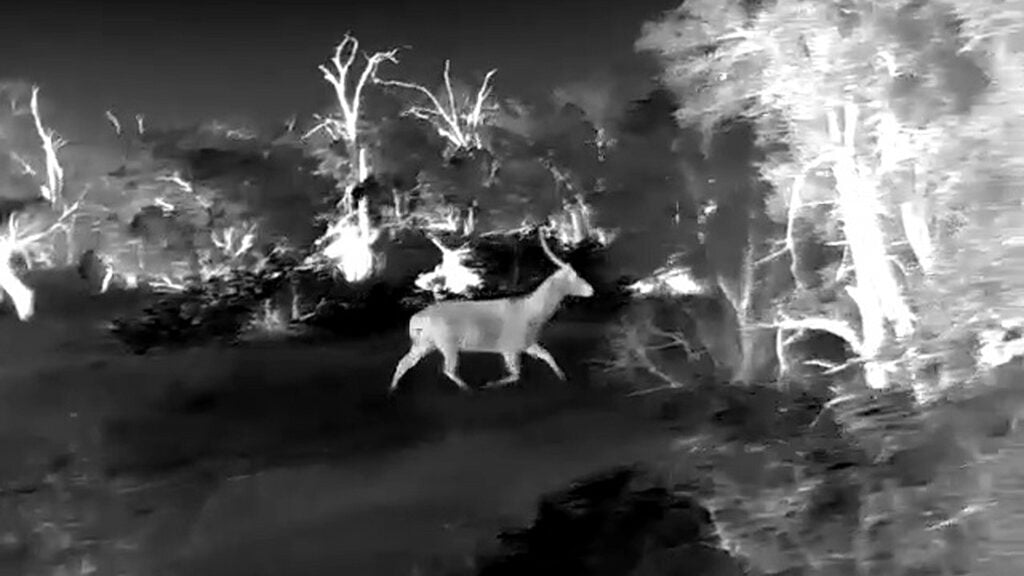
Suddenly, heat signatures cut through every shadow and tangle of vegetation. Animals that were effectively invisible appear as glowing outlines against the cooler background, instantly revealing their presence even when the naked eye would have passed right by.
The difference isn’t subtle. It’s striking.
What the Footage Actually Shows
Across several days of footage captured in the bush, we used both camera types to record the same animals: buffalo, waterbuck, impala, elephants, hyena and many more. With normal vision, the footage is rich and detailed when animals are out in the open, but the moment they step into cover, they become genuinely difficult to track.
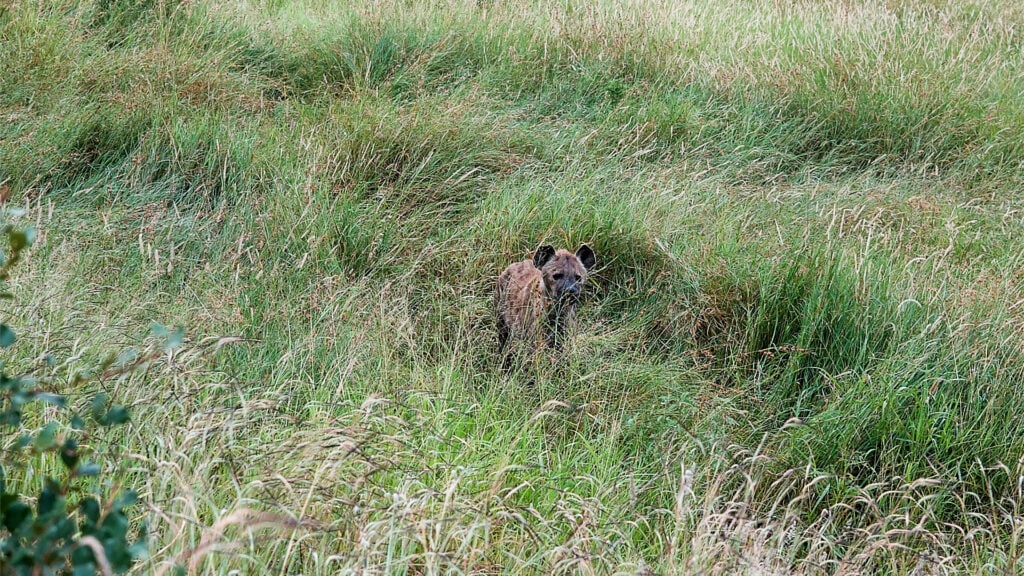
The thermal footage tells a completely different story. The heat contrast between an animal’s body and the surrounding environment creates an almost immediate visual lock.
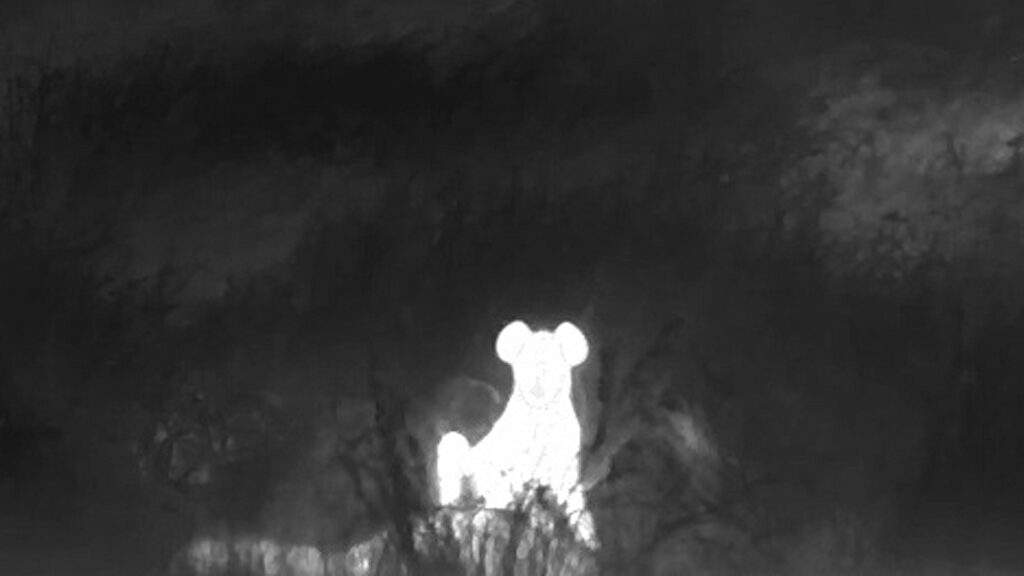
You don’t need to study the frame or wait for movement. The animal simply appears, outlined in warmth against a cooler world.
For Latest Sightings founder Nadav Ossendryver, who has spent considerable time working with both, the difference isn’t just technical. It’s experiential.
“It just adds a whole new element to when you’re driving,” he explains. “You feel like you’re literally a detective, you’re scanning every little bush.”
A Game Changer for Guides and Guests
Beyond the novelty of it, the thermal camera carries real practical value in the field. One of the most frustrating moments on any game drive is watching an animal melt into the bush and simply vanish.
With a normal camera and the naked eye, that’s often the end of the sighting. With thermal, relocating the animal becomes far more achievable, because body heat doesn’t disappear just because the animal has stepped behind a shrub.
Nadav also points out the confidence it gives him as a guide. “It gives you a lot more confidence that I’m not missing animals,” he says.
And for guests, particularly those on longer drives, the engagement factor is real.
“People find it very fun to follow. It makes it more engaging, because sometimes you can drive around the whole day and it gets tiring. This really gives you an extra edge.”
Get our Best Sightings as they Come in
It’s worth noting that thermal cameras perform best in the cooler parts of the day. Mornings and evenings, when the temperature gap between an animal’s body and the ambient environment is at its widest, produce the sharpest, most dramatic contrast, while midday heat flattens that difference somewhat.
Stay in the Loop
Want to stay connected to what’s happening in Kruger in real time? Join our Whatsapp Sightings group, where our community shares live sightings from inside the park, along with road updates and other useful information as it happens.
A New Layer to the Safari Experience
What the side-by-side footage ultimately reveals is that neither camera replaces the other. Normal vision captures texture, colour, and the kind of detail that makes wildlife photography so compelling.
Thermal vision, on the other hand, reveals presence, movement, and the hidden architecture of the bush that most people never get to see. Together, they offer something genuinely exciting: a fuller, richer picture of what’s actually out there, just beyond the beam of the spotlight, waiting in the dark.
Who is Cape Thermal?
For anyone serious about spotting wildlife after dark, Cape Thermal is worth knowing about. They stock a full range of handheld thermal cameras, from compact monoculars to long-range binoculars and scopes, all designed to pick up heat signatures that the naked eye or a standard torch would completely miss.
Whether it’s tracking a leopard moving through thick bush at night or simply keeping an eye on what’s moving around camp, their gear turns pitch darkness into a clear, readable landscape. It’s the kind of tool that shifts night drives from guesswork to genuine sightings.
Use our affiliate link to unlock exclusive Latest Sightings gear drops from Cape Thermal!


