

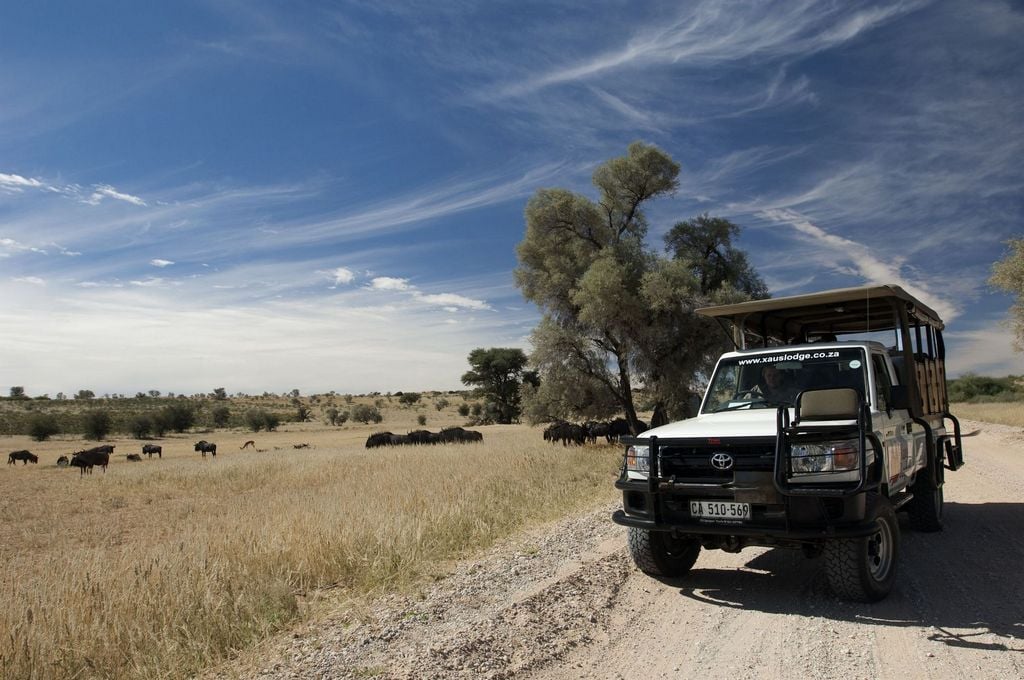
Imagine rolling out of camp as the rising sun filters through the leaves. Minutes later, you round a bend to find a herd of elephants at play in a river.
For visitors to South Africa, by far the most popular sidequest is to go on safari. Whether as a self-drive adventure or a luxury, tailor-made experience, it is bound to make a great impression on your life.
Looking to catch the latest animal sightings?
This is what we think is the best time of the year to go on safari, but no matter when you go, there is always the opportunity to spot amazing sightings!
Our community shares what they find on safari, in real time, on WhatsApp! So if you are looking to optimise your trip, no matter what time of the year, join our WhatsApp group.
No best time
That said, when you go may mean the difference between a good and great safari. However, there is no single “best time” to go.
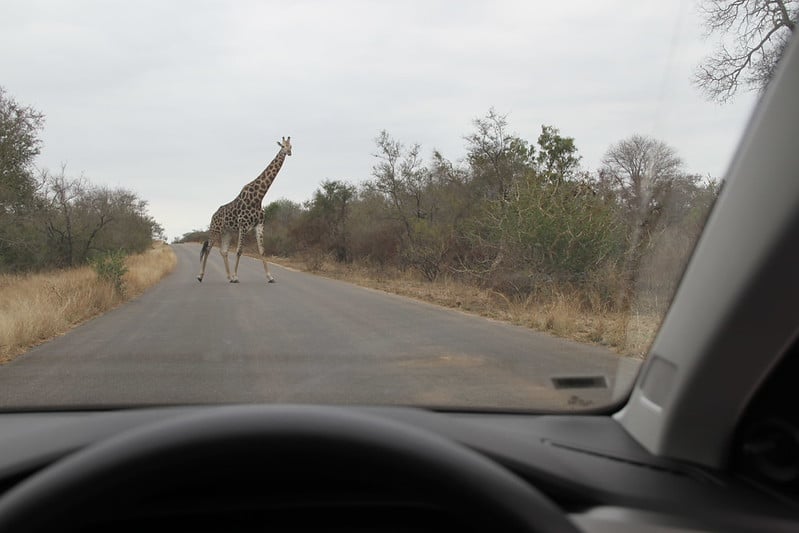
Instead, this depends on what you hope to see and experience. And while sightings can never be guaranteed, visiting the right place at the right time will certainly enhance your chances.
Simply put, the seasons shape wildlife visibility, weather, prices, and the overall experience.
Key safari regions
South Africa has four key safari regions.
The best-known of these is the Greater Kruger National Park, which includes the Sabi Sands and Timbavati private reserves. Combined, they form a contiguous ecosystem with varying wildlife density.
Northern KwaZulu-Natal is home to excellent private and public parks, including Hluhluwe-iMfolosi Park, Phinda Reserve, and iSimangaliso Wetland Park.

Next, there are the malaria-free private and public parks of the Northwest, such as Pilanesberg National Park, Madikwe, and Welgevonden.
Also malaria-free, the Eastern and Western Cape boast Addo National Park, Shamwari, and Sanbona Wildlife Reserve.
Furthermore, like most African safari destinations, South Africa has seasonal rains. However, these seldom make parks entirely inaccessible.
Understanding South Africa’s safari seasons
Broadly speaking, most of the country receives summer rainfall, except for the extreme Western Cape. In the latter area, rainfall seldom impacts safari activities.
The wet season – Green season beauty
South Africa is considered a medium- to low-rainfall area. Most of the rain falls between October and April (Summer).
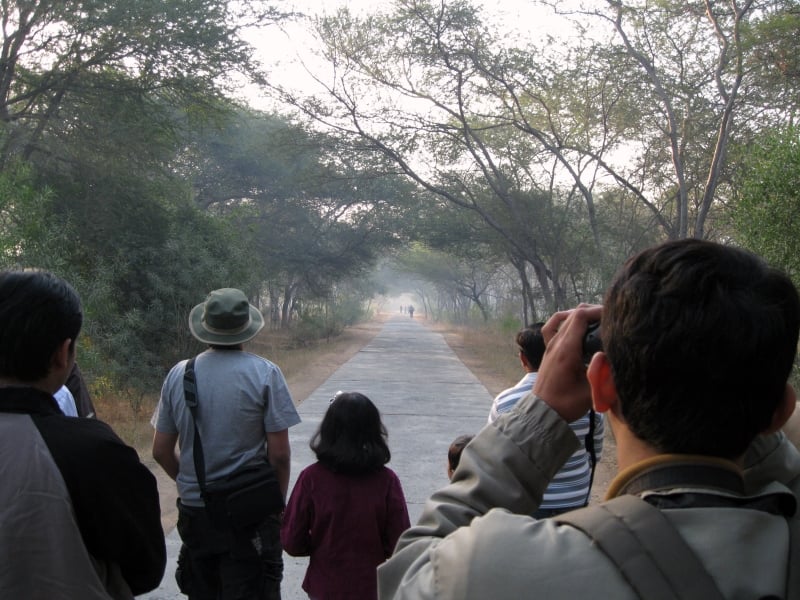
Weather: Warm to hot, with occasional afternoon storms.
Landscape: Lush and green, with dramatic skies
Wildlife highlights:
- Antelope calving season
- Excellent birding with migratory species present
Photography highlights: Vibrant landscapes and dramatic light
Downsides:
- Dense vegetation inhibits wildlife spotting
- Hotter temperatures
Value Adds: Some reserves offer discounted rates and there are generally fewer visitors.
Get our Best Sightings as they Come in
The dry season – Peak game viewing
Between May and September, little to no rain falls, with the exception of the Western Cape.
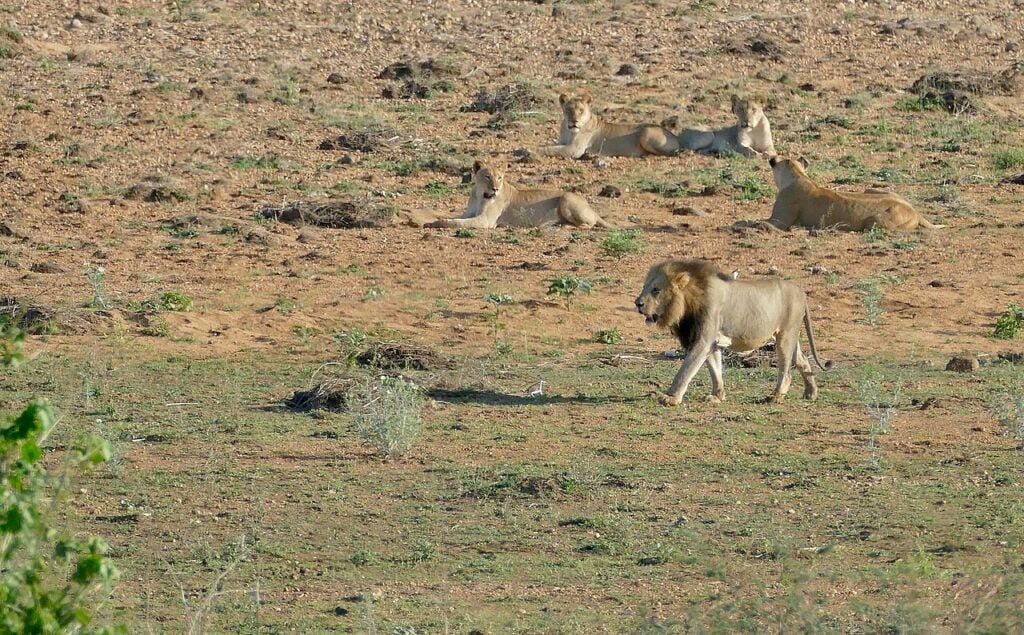
Weather: Cool throughout, although it can be very cold in the early morning. Vegetation is dry and sparse
Wildlife advantages:
- Animals concentrated near water
- Predators and large herds easier to spot
- Ideal for first-time safari-goers
Downsides:
- Cold mornings and evenings
- Higher rates and busier camps in prime reserves.
Value adds: Wildlife viewing is much better in the dry season, with game easier to spot and often concentrated near water sources.
So, when is the best time?
As mentioned, this depends on your interests and preferences. We break it down as follows:
- First-time safari: Dry season (June to September)
- Photography: Late dry to early wet season (September to November
- Budget-conscious travellers: Wet season: October, and February to March.
- Families: Malaria-free reserves of the Northwest, Eastern, and Western Cape provinces all year-round.
Consequently, taking all of the above into account, it is important to remember that in Nature there are no hard-and-fast rules. No two safaris are ever alike, and there’s every possibility of seeing something exceptional when you least expect it.


.jpg)


