

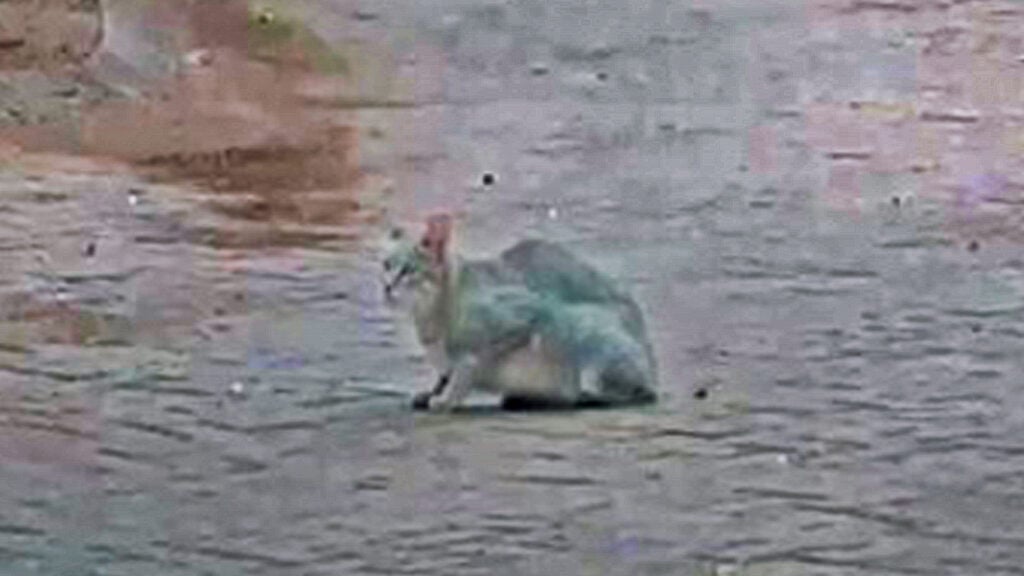
We recognise cats in general for their agility and lightning-quick reflexes. In this video, an African wildcat showcases these skills in a remarkable display of hunting prowess.
Onne Vegter of Wild Wings Safaris submitted this amazing footage to Latest Sightings. He filmed it at Satara Rest Camp in South Africa’s Kruger National Park.
Just a cat on a road?
As we join Onne at the sighting, you might think you’re on the wrong page. A cat, about the size of a domestic tabby, crouches down on a paved road.
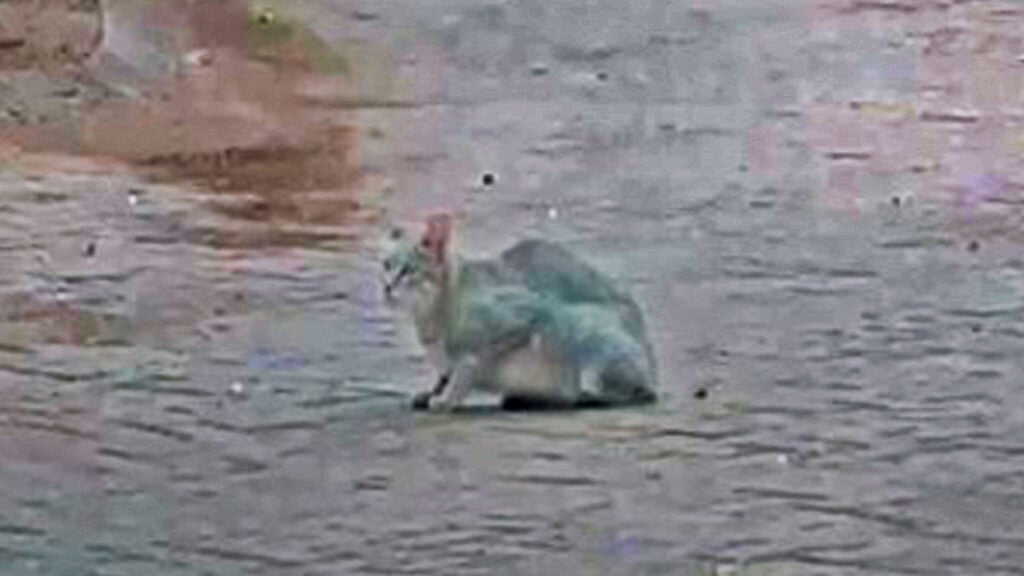
However, this is no ordinary cats, and humans have certainly not domesticated this individual. We’re looking at an African wildcat (Felis lybica), the direct biological ancestor of today’s domestic cats.
Habituated, not tame
Although wild, it has become habituated to humans and regularly prowls around Satara Rest Camp. As such, visitors can often watch it behave naturally at close quarters.
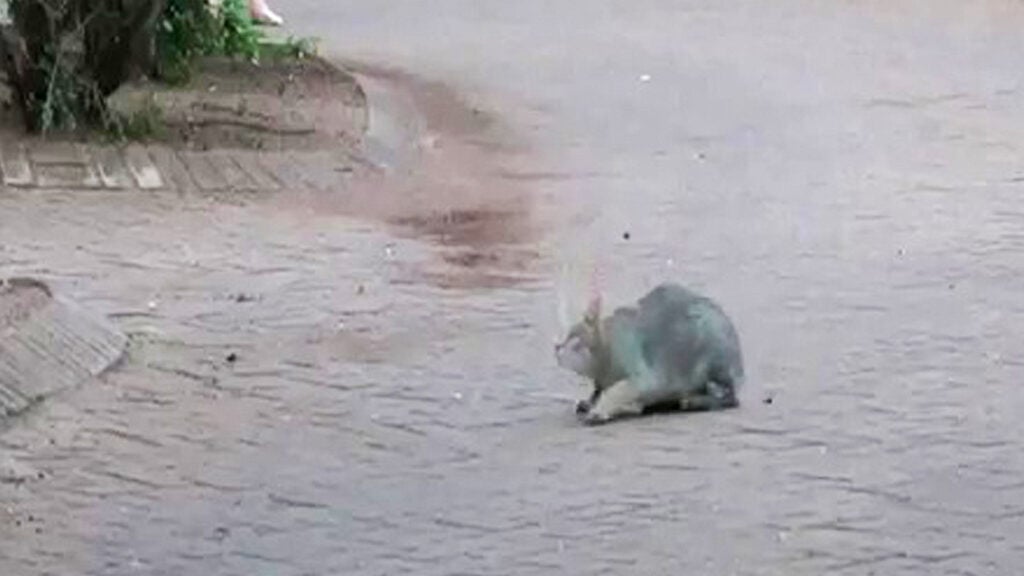
In the video, you hear twittering birds, attracted by water, nesting sites, and scraps humans leave. And it is these that the wildcat seems to be watching as it tenses its muscles in anticipation.
Never Miss A Viral Safari Video
Amazing sightings, like this African wildcat hunting birds on the wing, are popular with our members. To be among the first to see our latest sighting videos, join our exclusive alert list. Click the button above to join the WhatsApp chat right now and never miss another thrilling moment.
No mean feat
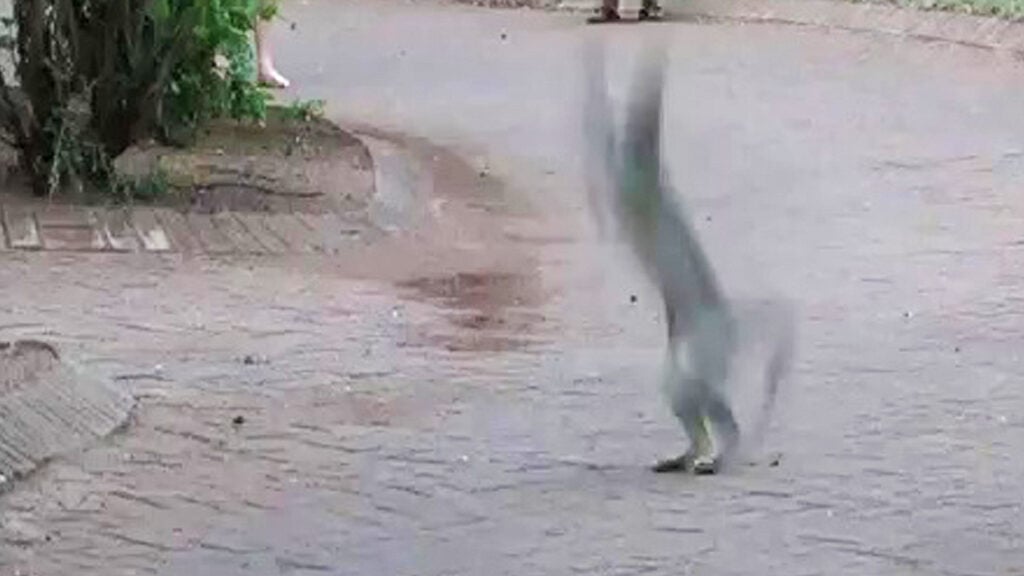
Consequently, when it spots a low-flying little swift (Apus affinis), it springs into action. This is no mean feat, as swifts display high-speed and erratic flight patterns.
Of course, cats are renowned for their agility and lightning-quick reflexes. A cat’s reflexes allow it to react three to four times faster than a human.
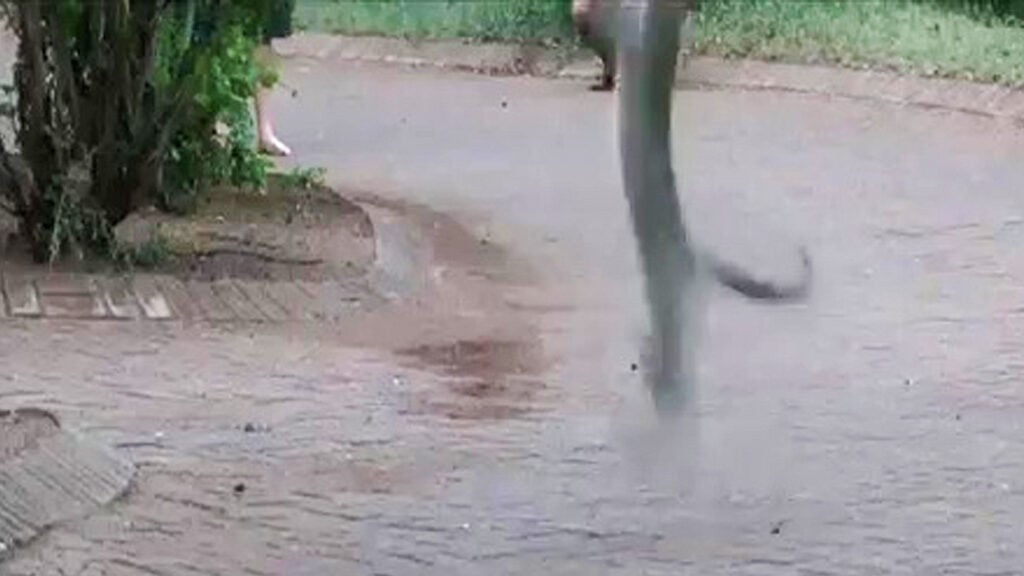
As a result, these trigger muscles are rich in fast-twitch muscle fibres, giving them explosive power and ultra-rapid jumping ability. Launching itself, the cat is a blur of motion.
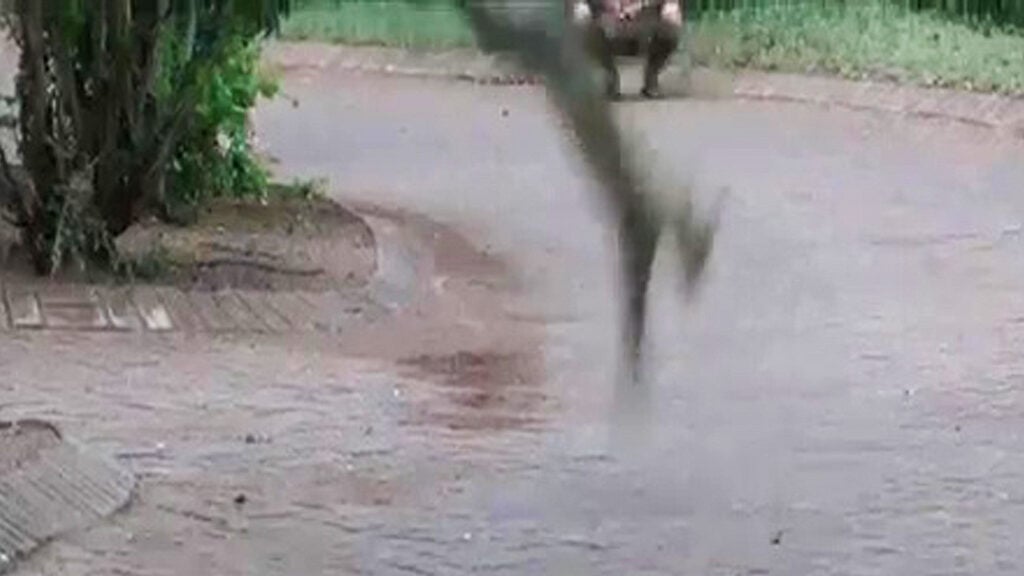
Subsequently, it briefly disappears from view before dropping lightly back to the ground. The ability to do so is another superpower unique to cats. They instinctively “right” themselves in the air by locking their eyes on the ground and letting their body follow, thanks to a flexible spine.
Get our Best Sightings as they Come in
The show is over
Accordingly, no sooner does the cat land than it is on its way. As it trots off, we hear the spectators exclaim in amazement.
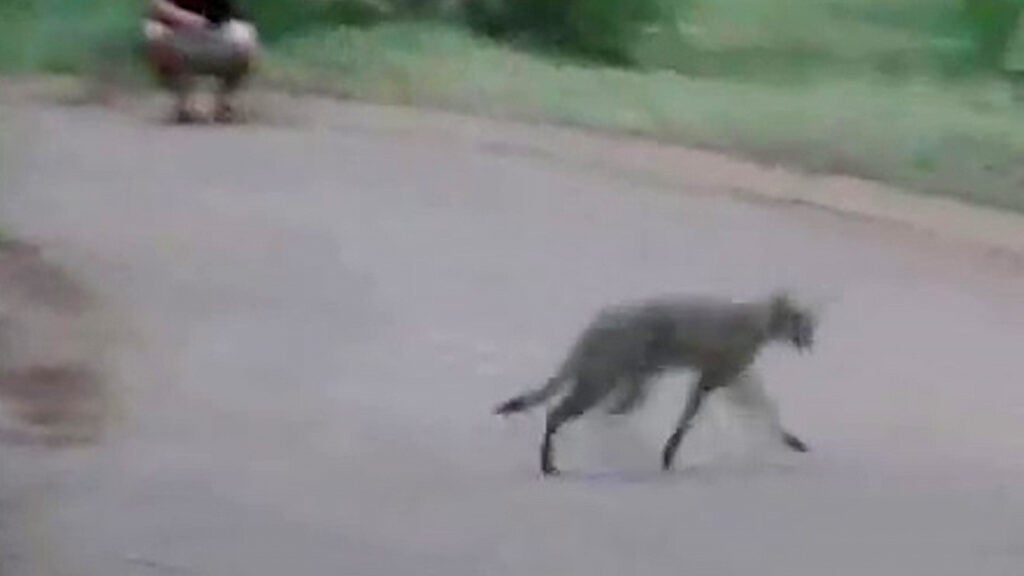
Although the footage is somewhat blurry, we can make out the shape of a small bird hanging from its jaws. With its next meal secured, the fantastic feline sets off to enjoy its meal in peace.
Widespread wildcats
Although they are known as African wildcats, their range extends far beyond the continent. They can also be found across western and central Asia, as far as Xinjiang in China.
You can see them in a variety of habitats, including deserts, savannas, shrub- and grasslands, where they live on a diet of insects, reptiles, birds, and mammals up to the size of an impala lamb.
Due to inbreeding with domestic cats, very few true African wildcats exist in the wild.


