

Under the cover of darkness, interactions between the nocturnal species are always a treat. In this footage, a leopard attempts to outsmart a pangolin’s novel defences.
Joren de Jager shared this unusual footage with Latest Sightings. He filmed the encounter while on a game drive in South Africa’s Sabi Sands Nature Reserve.
After dark adventures
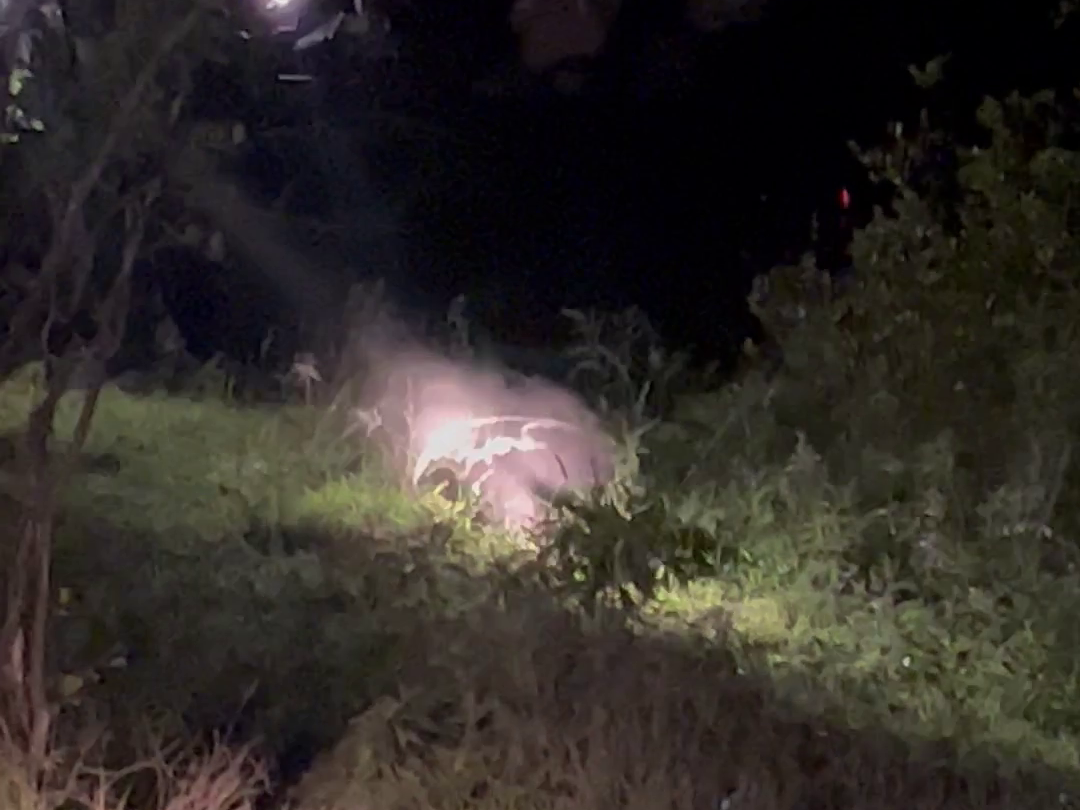
As we join Joren at the sighting, we see a leopard backlit by the spotlight of a nearby safari vehicle. At its feet, we can make out the wavy contours of a Temminck’s pangolin.
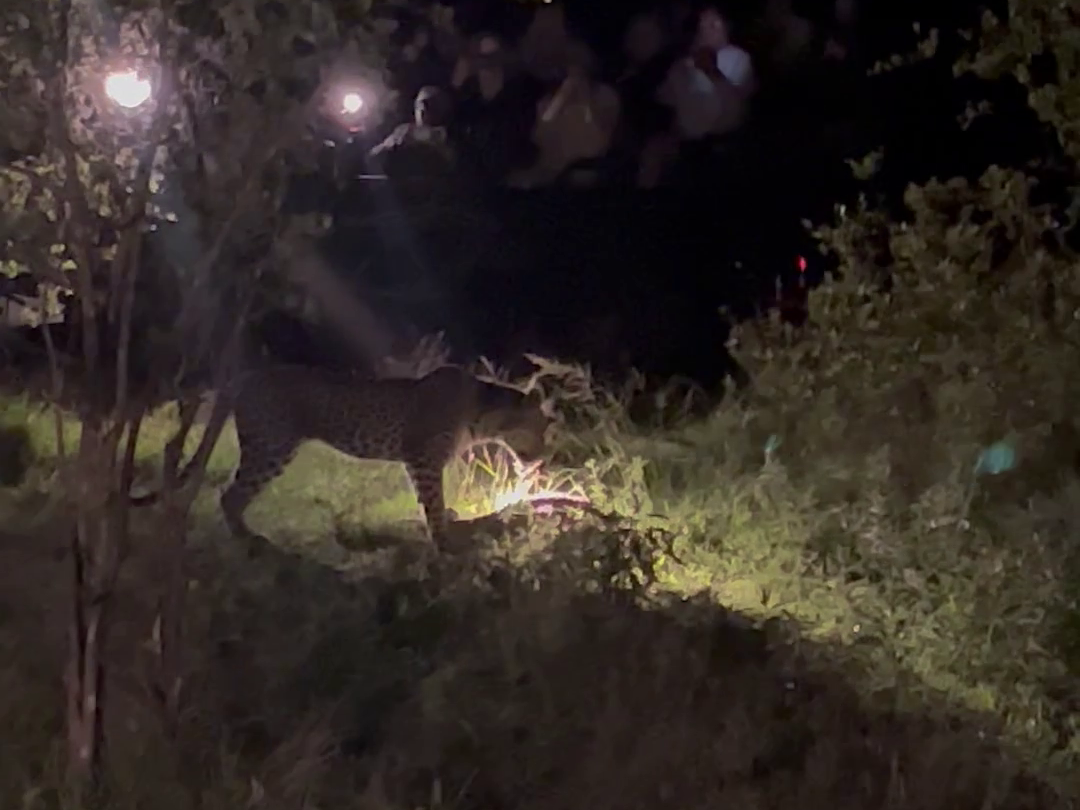
Although visitors often see leopards by day in Sabi Sands, people typically regard them and pangolins as nocturnal creatures. To see both active after dark, lodges in the reserve offer night drives where guides use spotlights to find game.
Armour-plated body
Small and slow-moving, you might think pangolins would make an easy target for predators. However, their bodies are covered in a layer of overlapping scales that form an armour-plated protective shield.
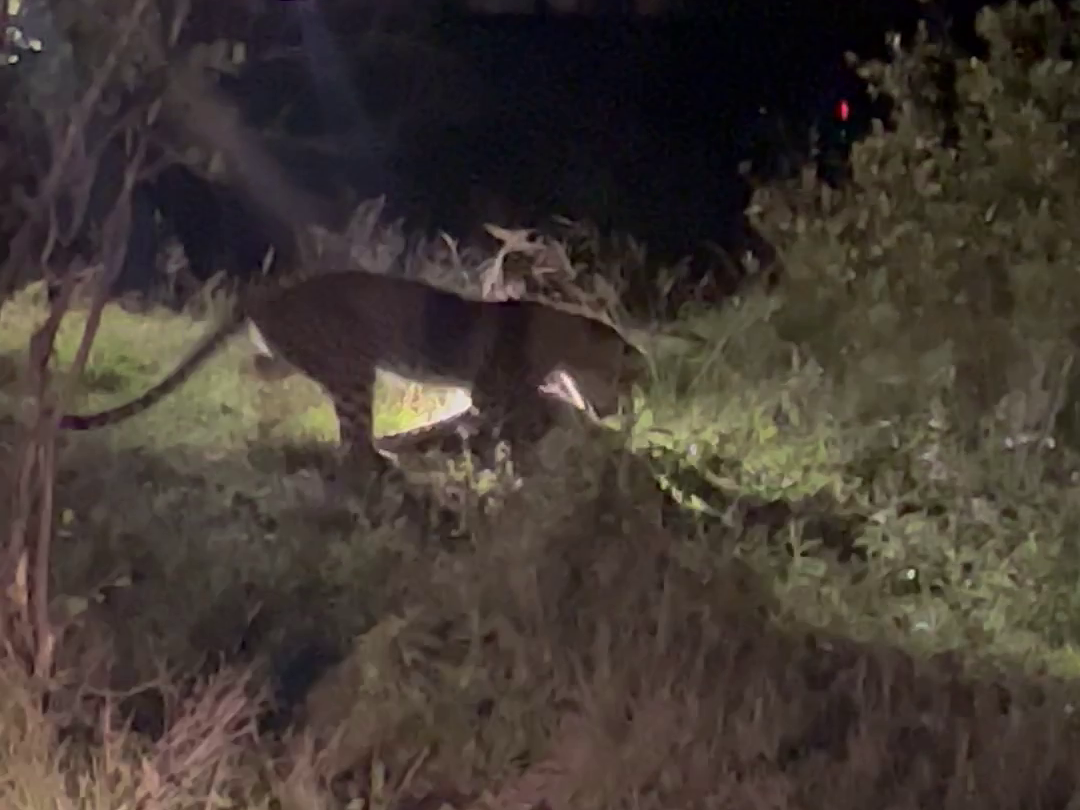
While mobile, its head and underside are the only unprotected areas. Accordingly, the leopard moves slowly to prevent the pangolin from using its ultimate superpower.
Join our WhatsApp group with thousands of members from our community to ensure you never miss another exciting moment, like this pangolin using its superpowers to defend itself against a hungry leopard. https://latestsightings.com/whatsapp-updates
Superpower triggered
Approaching from behind, the leopard tries to straddle the pangolin, intent on biting it in the head. However, the moment the pangolin feels the leopard, it reacts instantly.
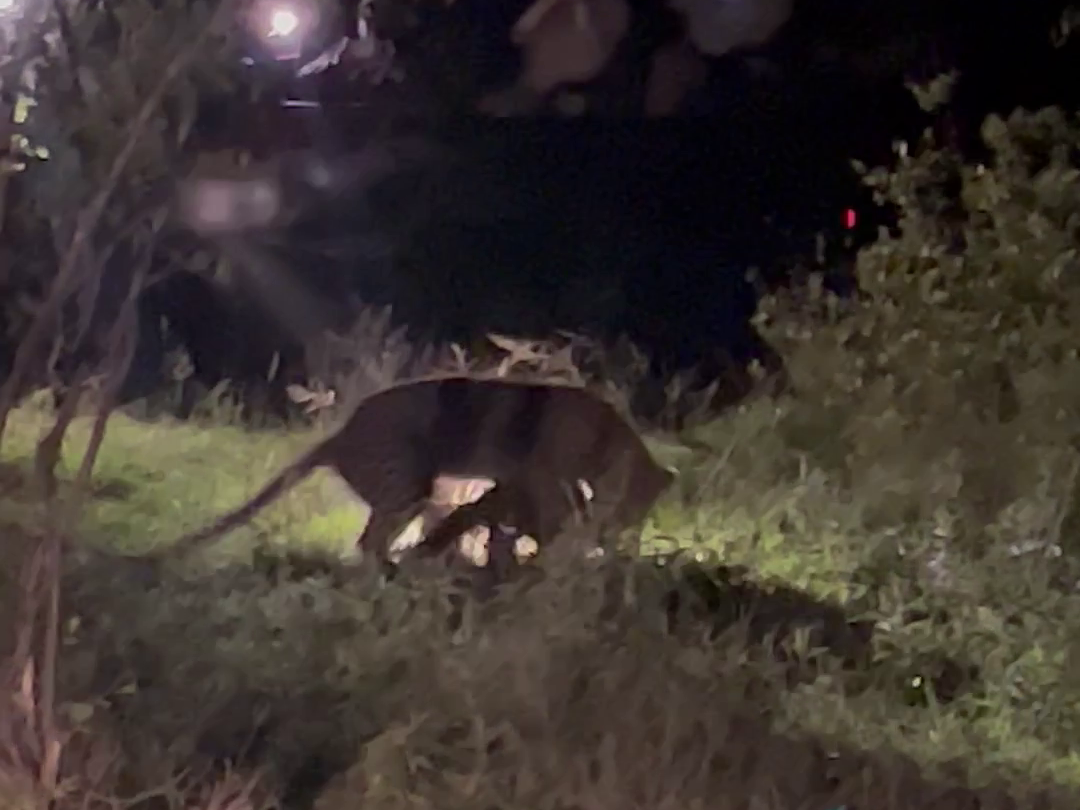
Rolling forward, the pangolin tucks its head to its belly. At the same time, it starts curling its body into a ball.
Impenetrable liability
As fast as the leopard’s reflexes are, the pangolin rolls itself into a tight ball within two seconds. In this position, its long tail protects both its head and soft belly.
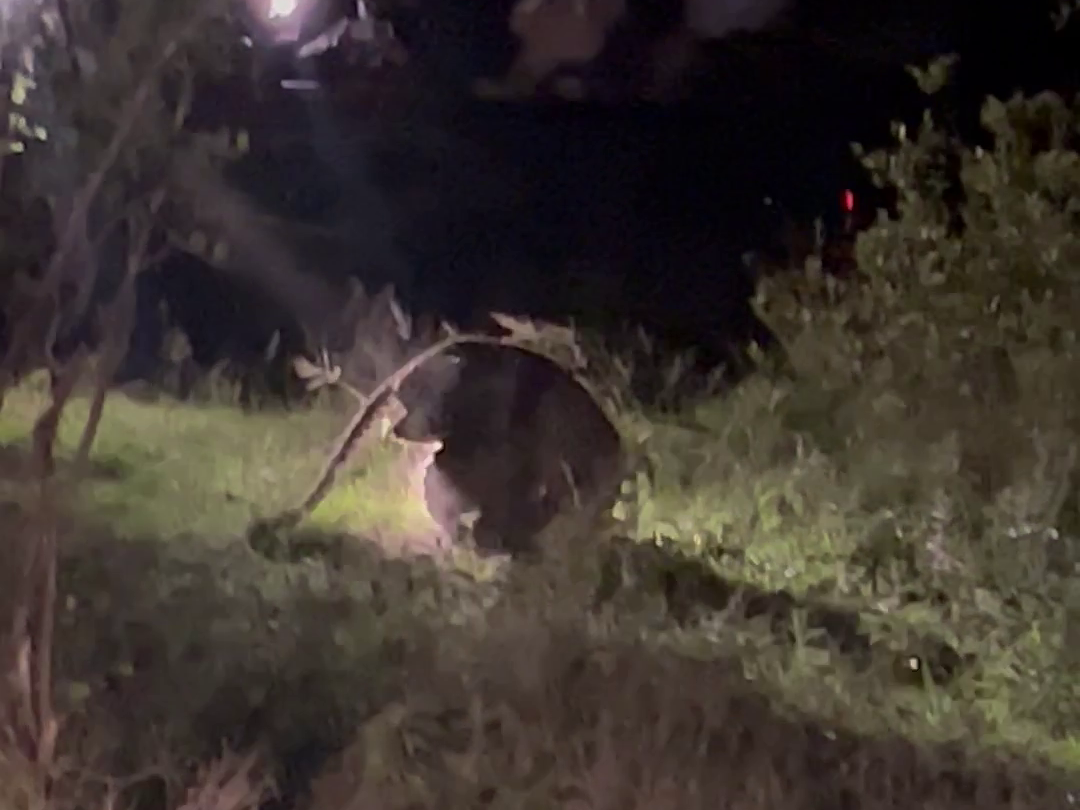
Pangolin scales are made of keratin, a hard protein also found in our fingernails and the horns of rhinos. And, as with rhinos, the very thing that makes them unique has also made them the sought-after targets of poachers.
Worldwide, pangolins are the most trafficked wild species on Earth. Consequently, numbers are plummeting, and the Temminck’s pangolin is currently listed as Vulnerable, meaning the species faces extinction if we do not act to protect it.
Get our Best Sightings as they Come in
In no rush
As the leopard and pangolin land side by side, the leopard’s head pops up. Notably, its jaws are empty.
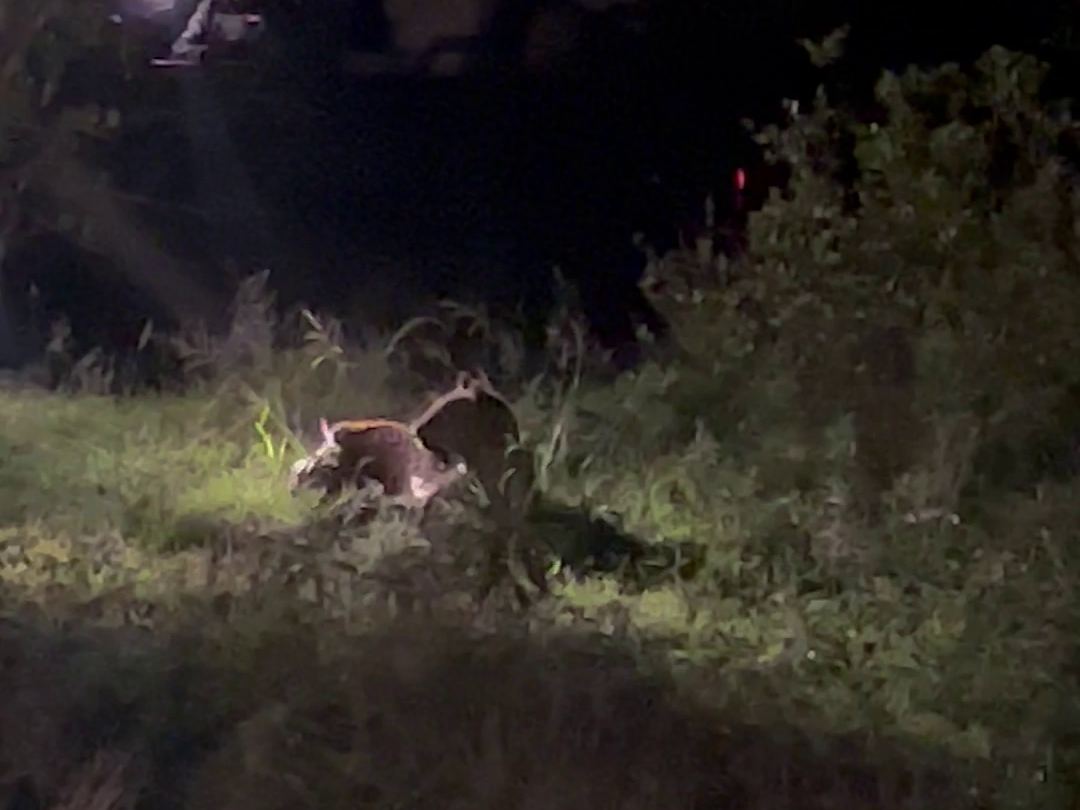
Considering the pangolin’s imperilled status, this comes as a relief. And though the initial attack is over, it knows it is too soon to relax.
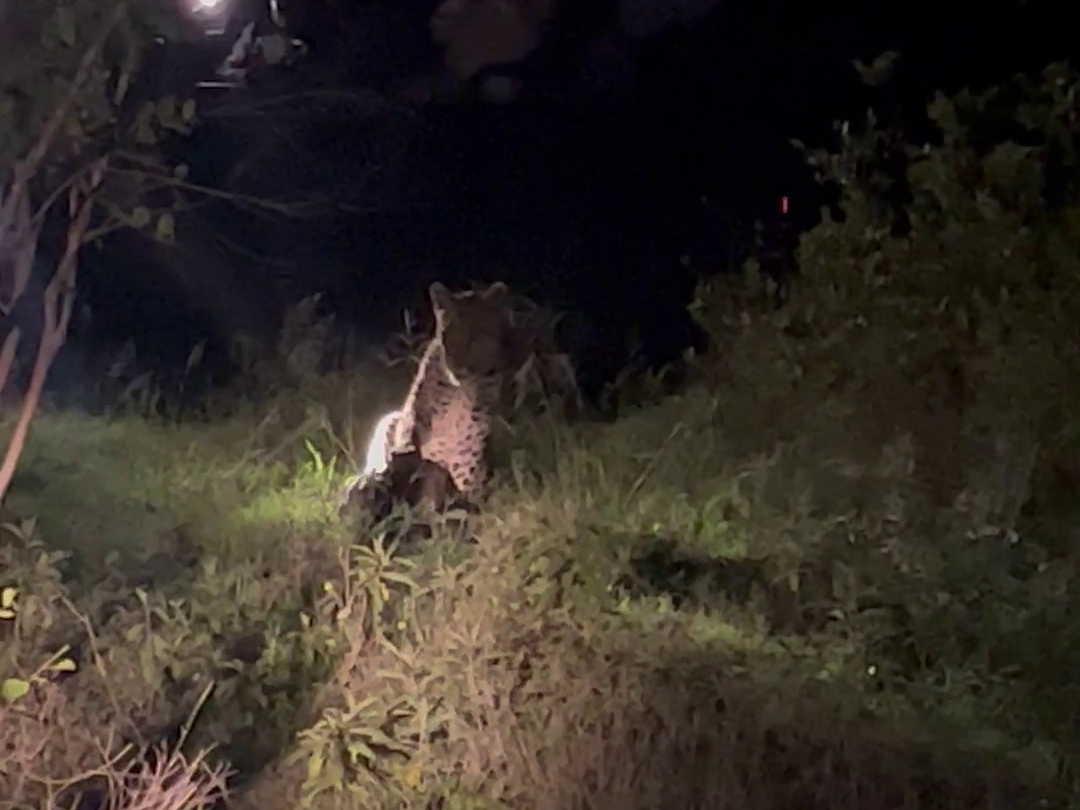
As the leopard gets up, the pangolin stays curled up. They can stay in this position for hours if necessary.
Separate ways
And it seems this is not the first time the leopard has found itself in this situation. Realising it would be a waste of time to wait, the predator moves off.
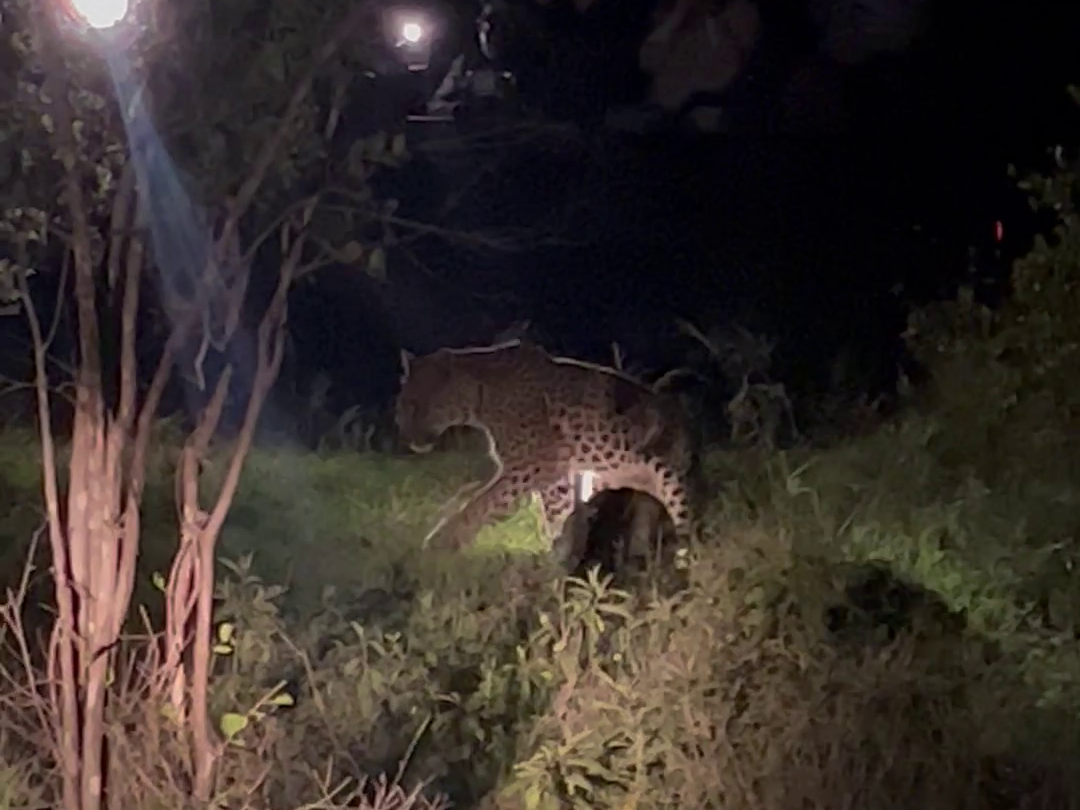
No doubt, as soon as the pangolin felt safe, it too went on with its evening; unharmed and secure in its defences.


