

Running for More Than a Medal
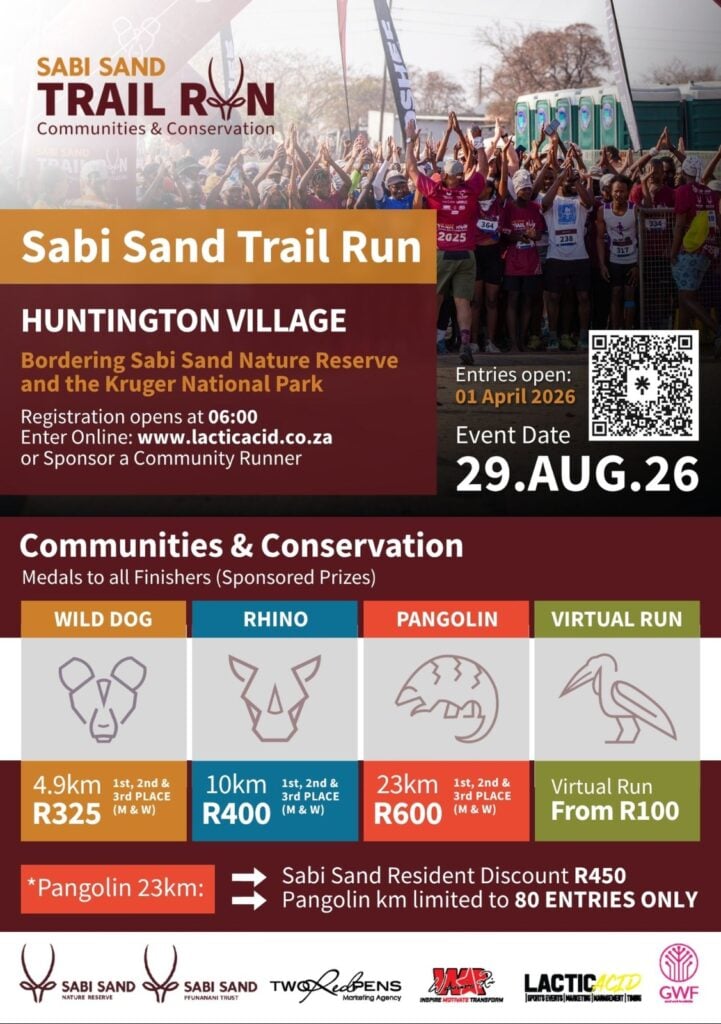
On 29 August 2026, runners will gather at Hundzukani Primary School in Huntington Village for the second Sabi Sand Trail Run.
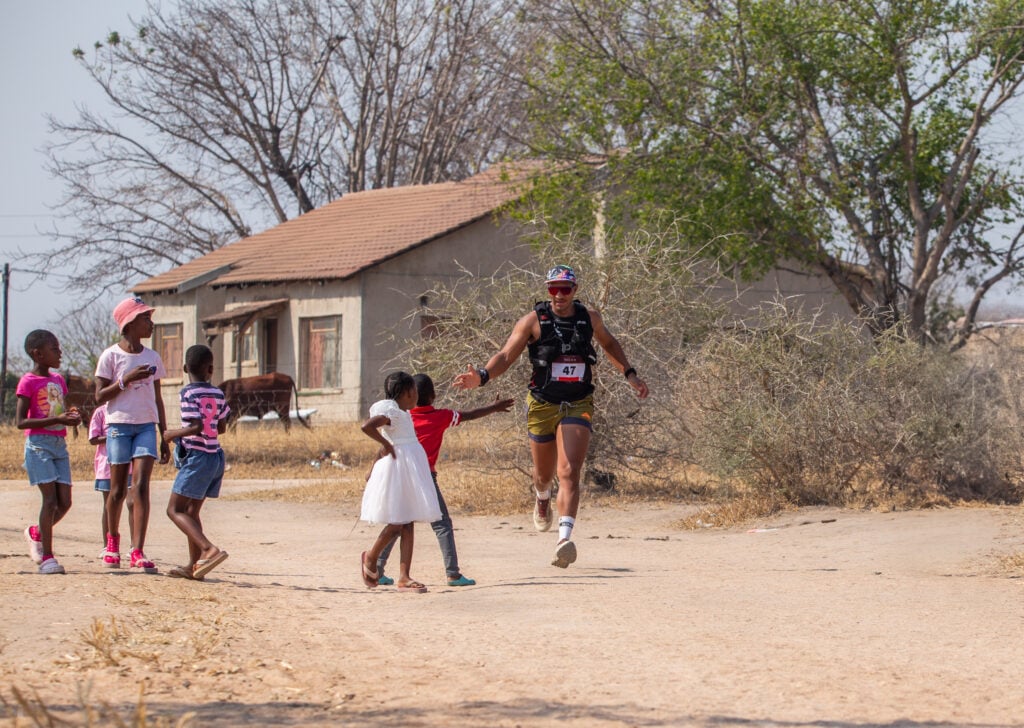
Some will be experienced trail runners hoping to improve their times. Others will be taking part in an organised race for the first time. Families, conservation supporters, visitors and residents from surrounding communities will all share the same starting line.
For us at Latest Sightings, this is what makes the event so important.
The Sabi Sand Trail Run is not only about completing a race. It brings people living alongside one of South Africa’s best-known conservation areas together with the organisations working to protect it.
Race venue: Hundzukani Primary School, Huntington Village, Ximhungwe, Mpumalanga, 1281.
Three Routes Through the Lowveld
Participants can choose between three distances, each named after a threatened African species.
The Wild Dog 4.9km Fun Run offers a shorter and more accessible route, while the Rhino 10km gives runners a bigger challenge.
The flagship Pangolin route covers approximately 23km. It travels through the communities bordering the Greater Kruger region, with part of the route entering the world-renowned Sabi Sand Nature Reserve.
Those who cannot attend in person can still support the initiative by entering the Virtual Run and completing their chosen distance from anywhere in the world.
The wildlife-inspired race names are a reminder of why this landscape matters. Rhino, pangolin, African wild dog and southern ground hornbill all form part of the wider conservation story of the region.
A Strong Start
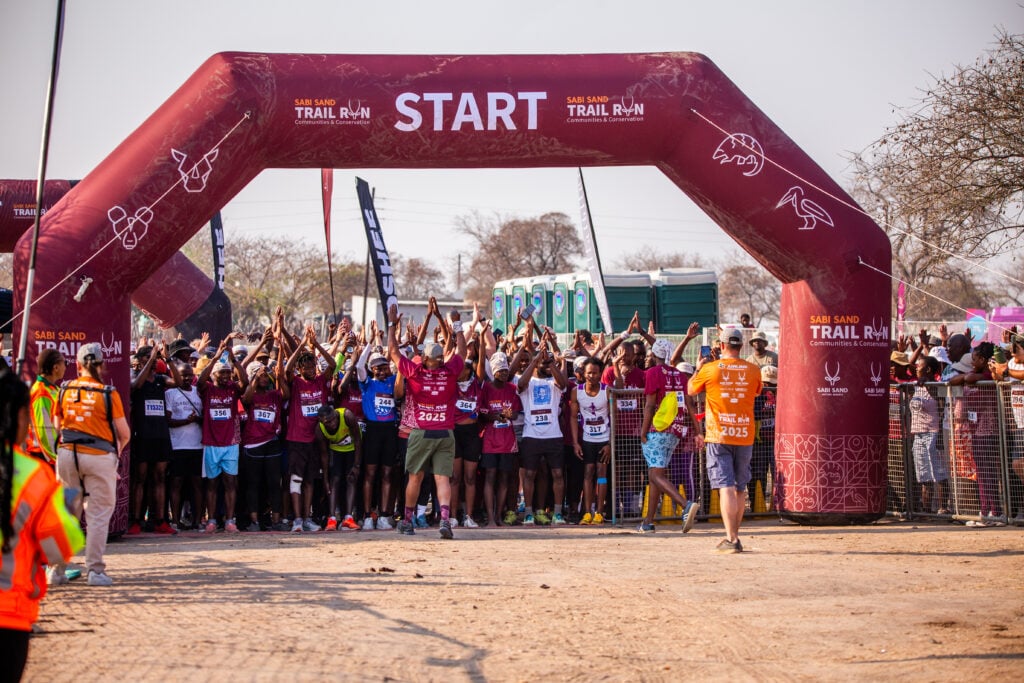
The first Sabi Sand Trail Run attracted 772 participants, including 430 funded community runners.
These entries gave local participants who might not otherwise have had the opportunity a chance to experience a formal running event. They also created a space where visitors, athletes and neighbouring communities could meet through a shared activity.
The impact went beyond the runners themselves.
Local residents were involved in logistics, event operations and support services, while businesses and suppliers benefited from the activity surrounding race day.
Conservation Includes People
Wildlife reserves do not exist in isolation.
The long-term protection of animals such as rhino, pangolin and wild dog depends on strong relationships with the communities surrounding protected areas. Employment, education, local business opportunities and access to conservation careers all play a part in building those relationships.
This approach is central to the work of the Sabi Sand Pfunanani Trust, which supports education, environmental stewardship and economic inclusion in communities neighbouring the reserve.
Through the Trail Run, these ideas become something people can see and participate in. Every entry, sponsored runner and local job helps strengthen the connection between the reserve and the people living around it.
Growing the Event in 2026
Following the success of the first event, organisers hope to welcome 850 runners in 2026.
They also aim to create employment opportunities for approximately 130 community members across event operations, logistics and supporting services.
The goal is not simply to make the race bigger. It is to increase its impact while ensuring that surrounding communities remain an important part of the event.
For some participants, the day may lead to a new interest in running. For others, it may create new connections, work experience or exposure to careers in tourism and conservation.
One Trail, One Shared Landscape
The Sabi Sand Trail Run shows that conservation can take many forms.
Sometimes it involves researchers, field teams and anti-poaching units. At other times, it begins with people coming together on a school sports field before following the same trail through a landscape they all have a connection to.
When runners cross the finish line at Hundzukani Primary School, they will have completed more than a race.
They will have taken part in an event that supports local opportunities, celebrates the communities surrounding Sabi Sand and reminds us that people and wildlife share the future of this remarkable area.


